When a Resident Evil Sequel Moved Too Fast
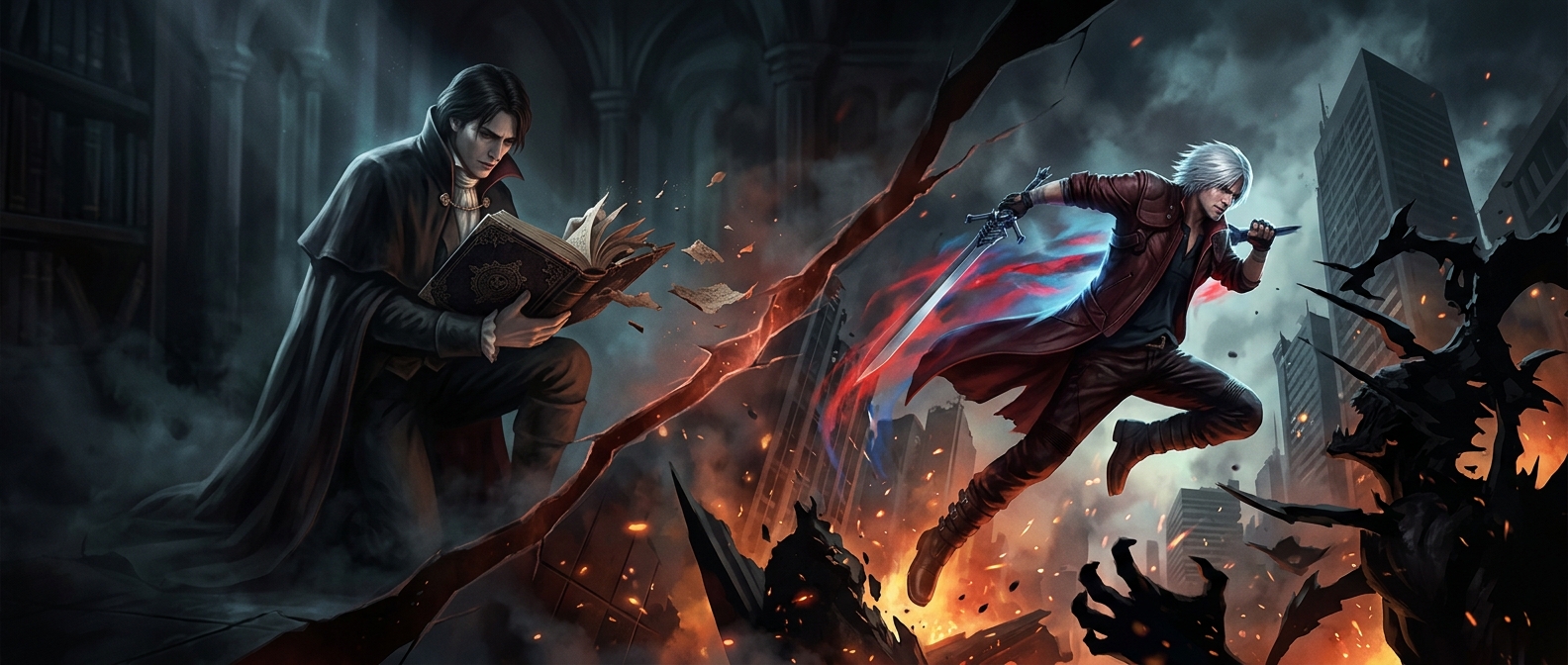
The early concept for Devil May Cry was developed as a possible Resident Evil game. That series was built around deliberate movement, tight spaces, and scarce resources: every encounter was meant to feel dangerous. But the new protagonist was taking the action in a different direction. He could launch enemies into the air and keep attacking them before they landed—a style known as juggling.
The Combat Changed the Game’s Identity
Juggling turned a fight from a desperate obstacle into a performance the player could shape. Instead of simply surviving an enemy, players could link attacks into combos, stay mobile, and aim for stylish, uninterrupted action. That demanded a different rhythm from Resident Evil’s slower, more constrained survival horror.
The mismatch was more than a change of pace. The protagonist’s acrobatics made the project’s defining pleasure look less like fear and resource management and more like mastering expressive combat. Keeping the Resident Evil name would have promised one kind of experience while the game was becoming another.
A New Franchise Fit the Design
The team separated the project from Resident Evil and built Devil May Cry around the fast, elaborate fighting that had emerged during development. The shift shows how a mechanic can do more than add a feature: when it changes what players spend their time doing, it can change what a game is about. In this case, the hero’s ability to keep enemies airborne helped turn a survival-game concept into an action series.