Why a Sequel Felt Like the Wrong Kind of Work
Keita Takahashi’s reluctance was about more than avoiding another deadline. Katamari Damacy was built around a distinctive pleasure: rolling a sticky ball through a space, picking up small objects, and growing large enough to collect bigger ones. Repeating that loop could easily turn a strange, carefully paced idea into a routine franchise assignment.
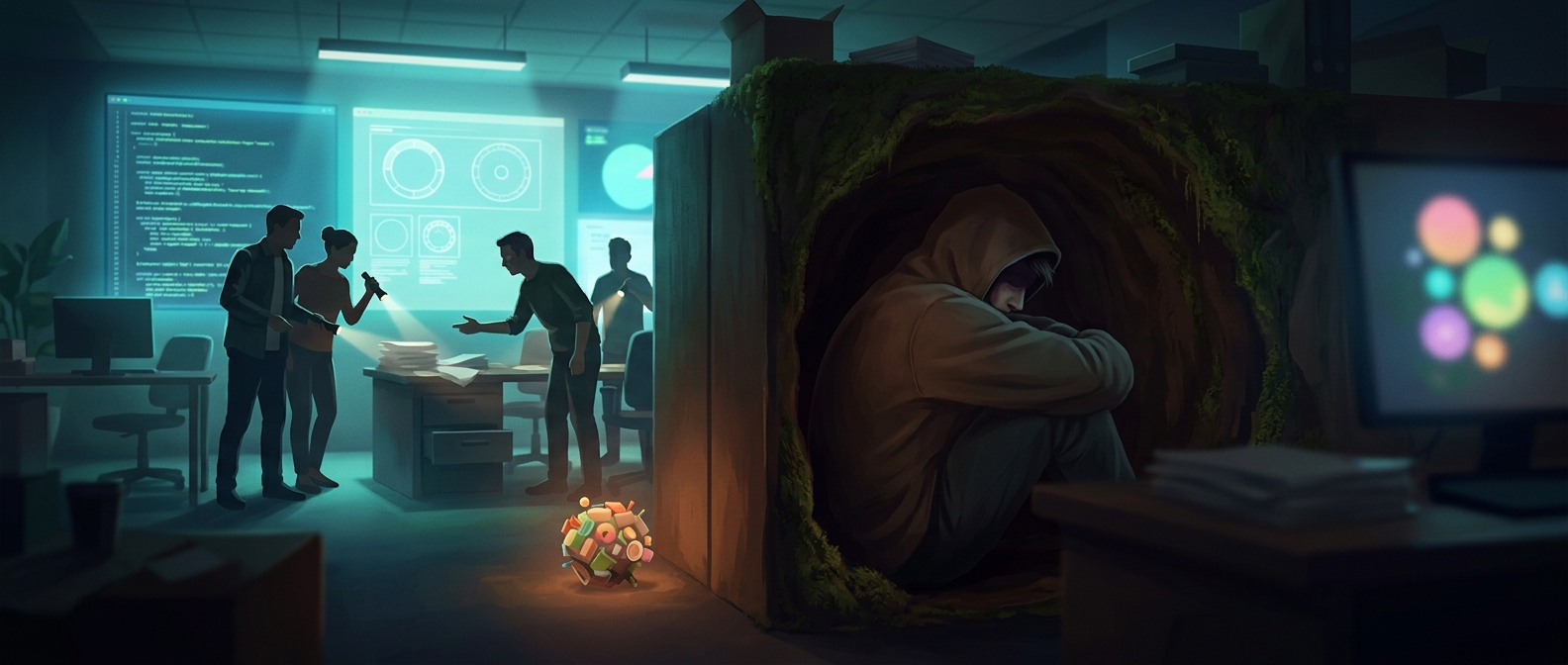
Takahashi disliked the expectation that a successful game should automatically produce another one. He hid from his bosses rather than take on the sequel they wanted. But the series’ popularity made a follow-up hard to avoid, and he eventually returned to make another Katamari game.
Turning the Demand Into the Premise
The sequel, We Love Katamari, makes requests for more Katamari part of its own setup: the King of All Cosmos receives pleas from people who want the Prince to roll a katamari for them. That framing gives the follow-up a playful way to acknowledge why it exists, rather than pretending the original’s success had no effect on its creation.
It also leaves room to vary the familiar mechanic. Each request can place the rolling task in a different situation, changing what the player must collect or how the level behaves. The central pleasure stays recognizable, while the surrounding challenges supply new reasons to use it.
Takahashi’s resistance did not prevent a sequel; it made the sequel’s existence part of the joke. The result is a follow-up that answers the demand for more Katamari while winking at the pressure that created that demand.