A throat became part of the sound-effects studio
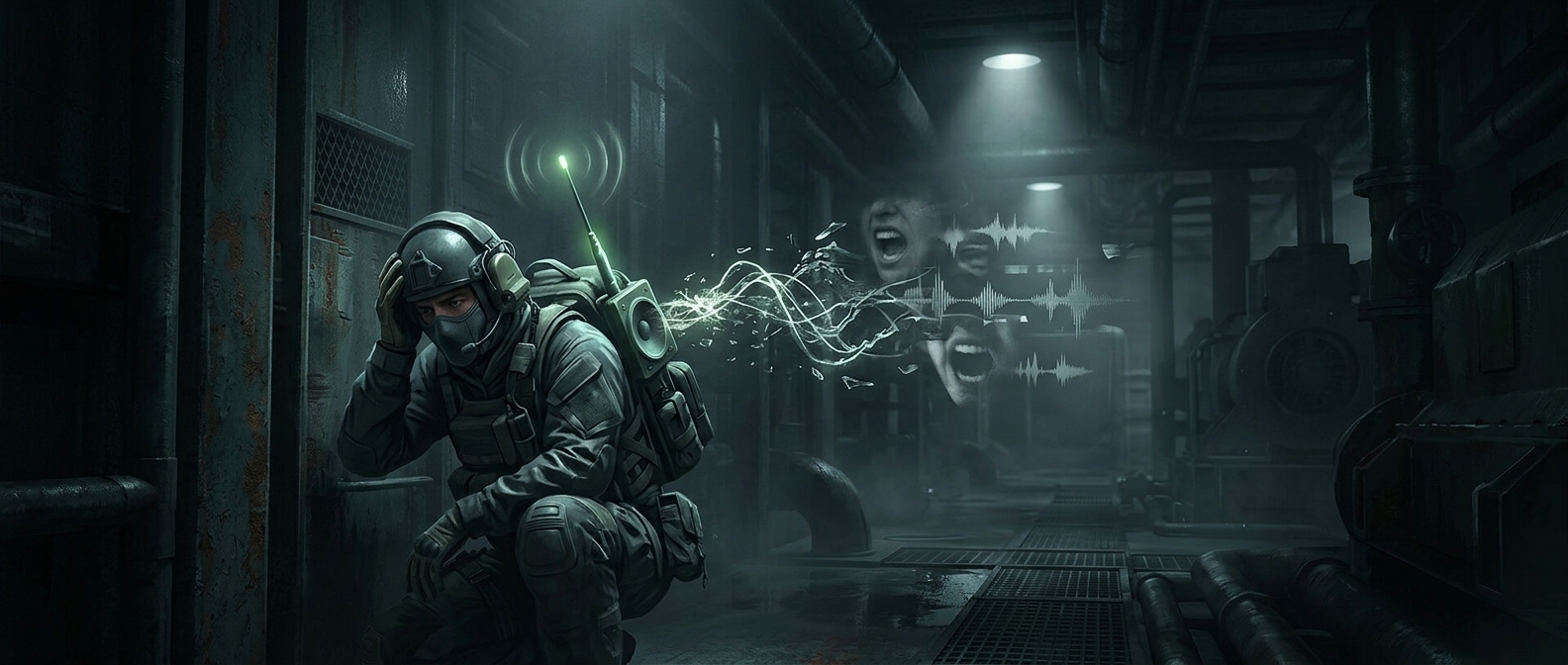
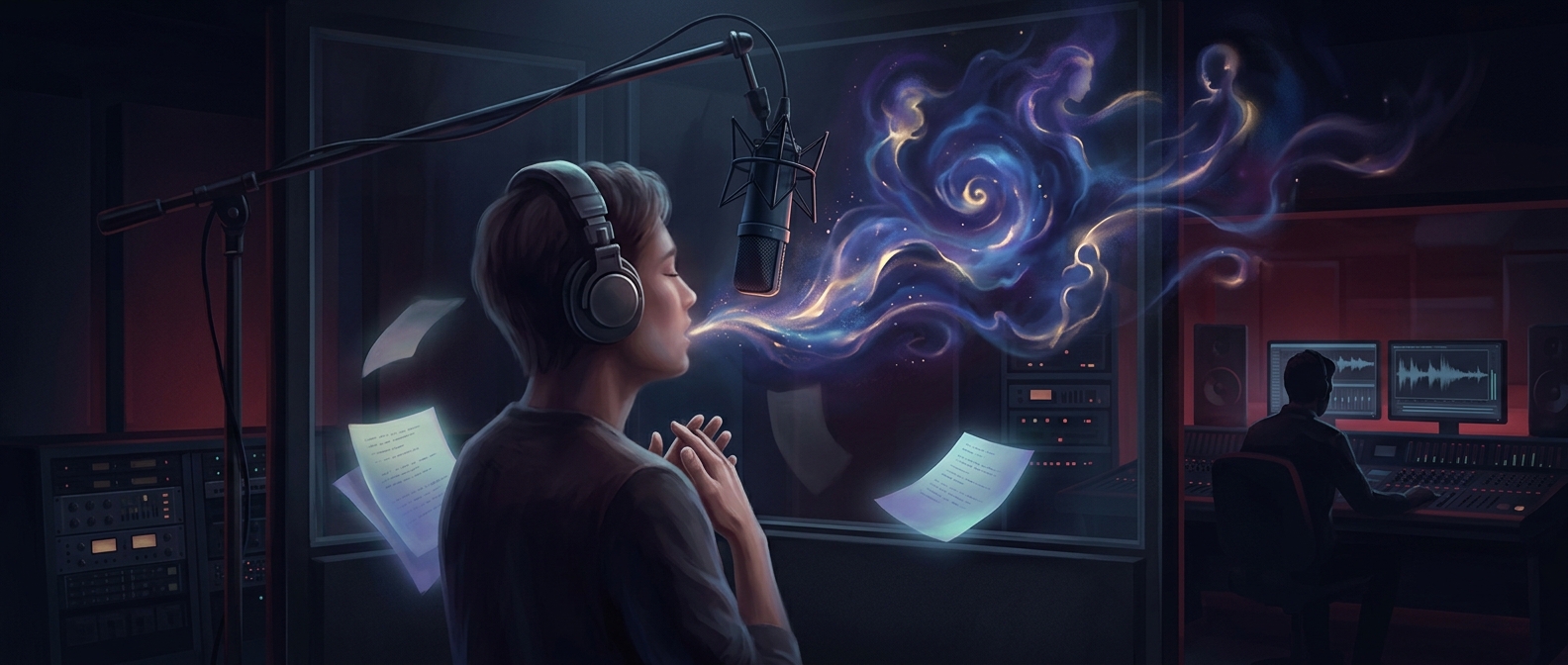
The Clickers in The Last of Us are recognized by their sharp, wet-sounding clicks. Instead of building those noises mainly from layers of electronic or mechanical effects, the sound team drew on a voice actor who could manipulate his throat to produce them on cue.
That ability gave the designers a repeatable starting point: a human performance with the rough, irregular quality they wanted. The actor could make the sound again and vary it, giving the team material to shape into a creature’s vocal presence without relying on elaborate effects to create the basic click.
Why a human sound fits a monster
A Clicker’s noise has to do more than announce that something is nearby. It helps make the creature feel like a living body, even though its appearance and behavior are far from ordinary. A voice made inside a throat carries small variations that can make a sound seem bodily rather than machine-made.
That choice also shows how game audio can begin with an unexpected human skill. The monster’s signature noise was not simply an effect applied after the fact; it depended on a performer who could make an unusual sound on demand. The result is a reminder that, in a game, a creature can become recognizable through a sound no creature could actually make.