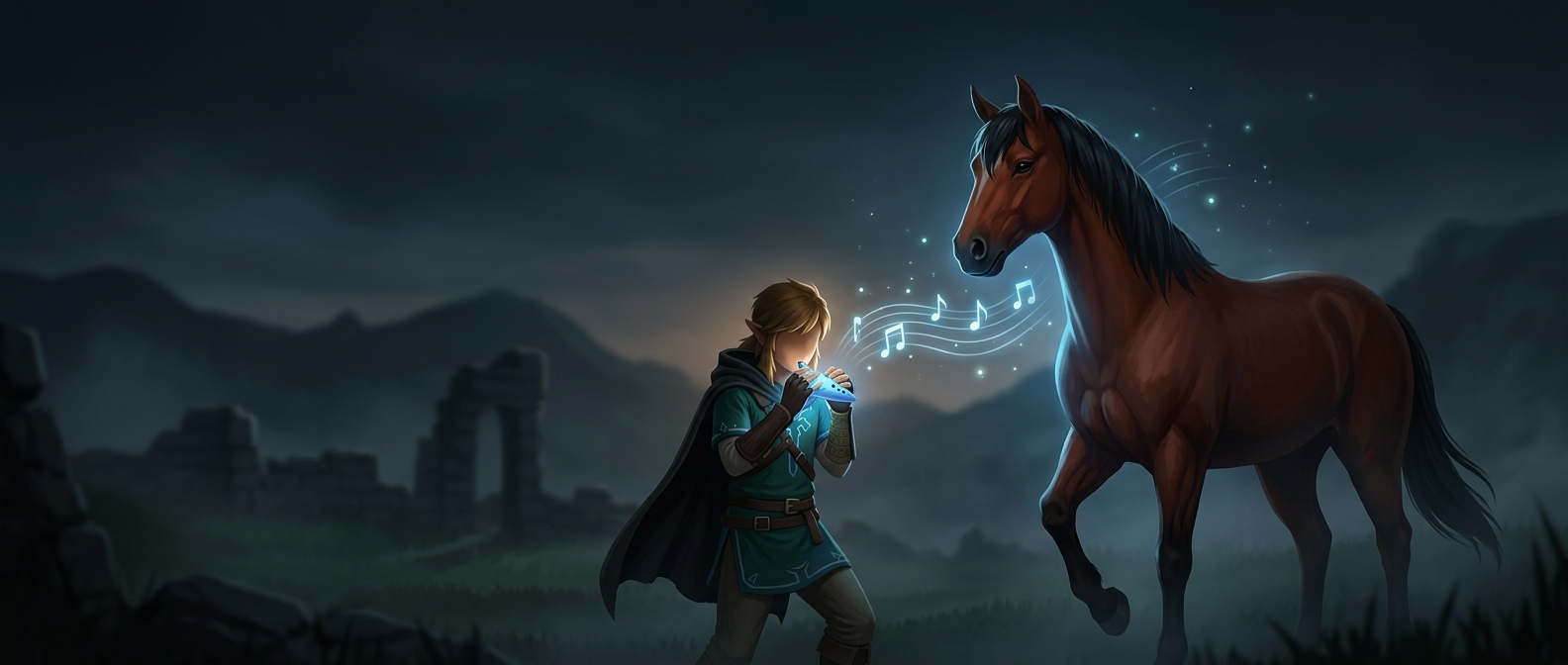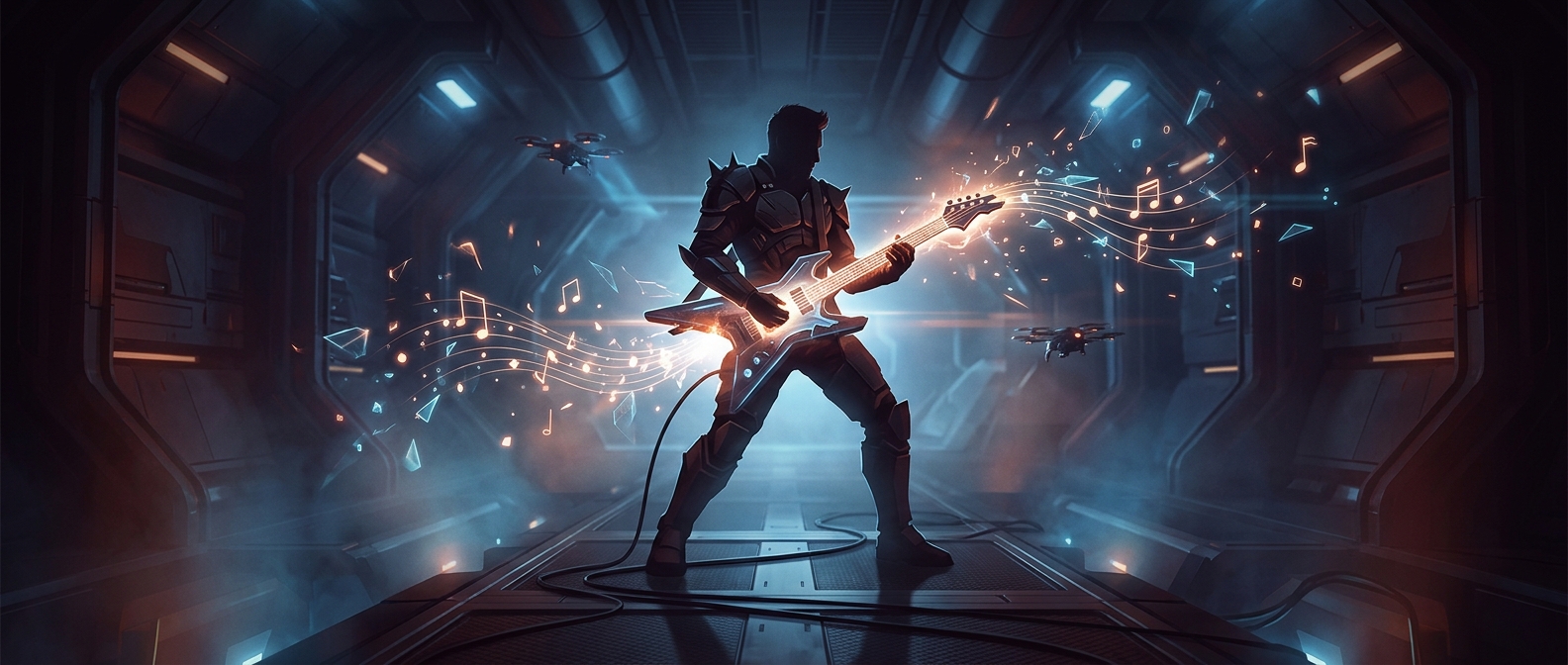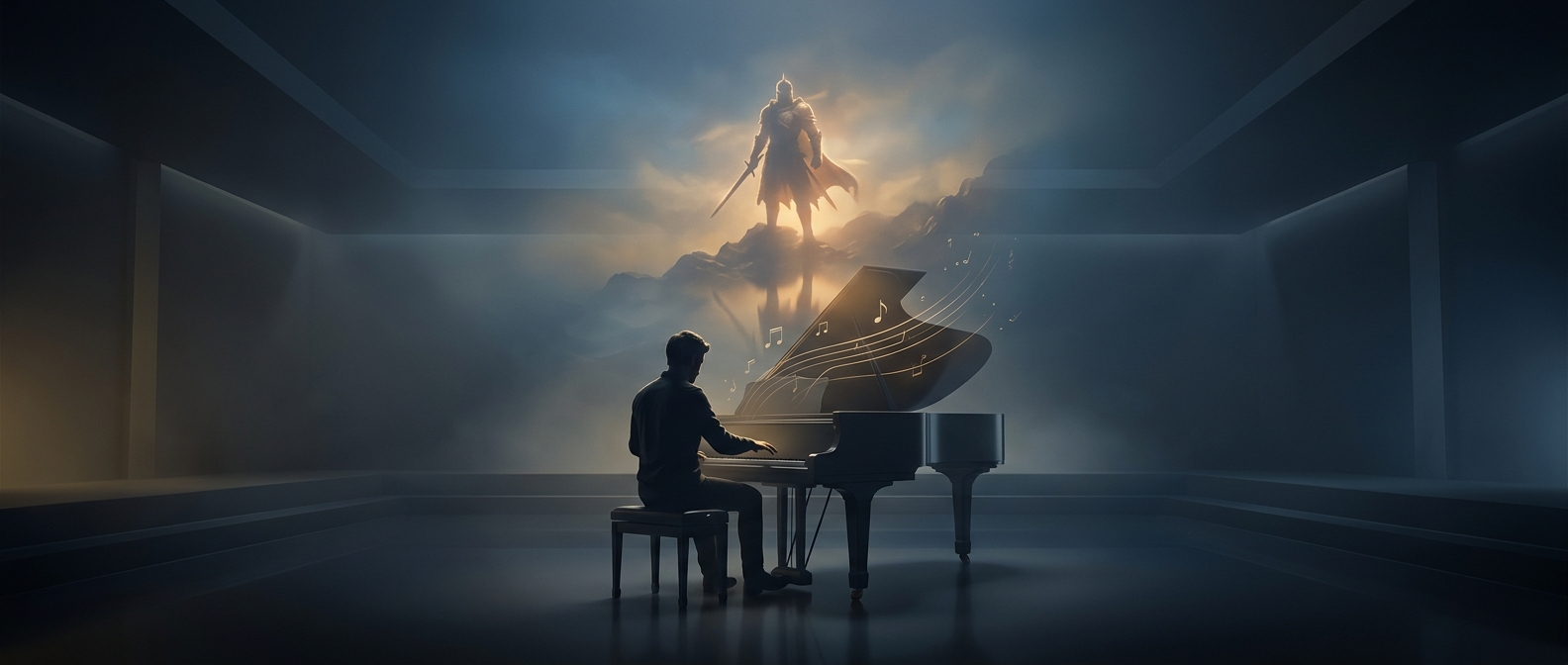
A Theme Can Help Define a Game Before the Game Exists
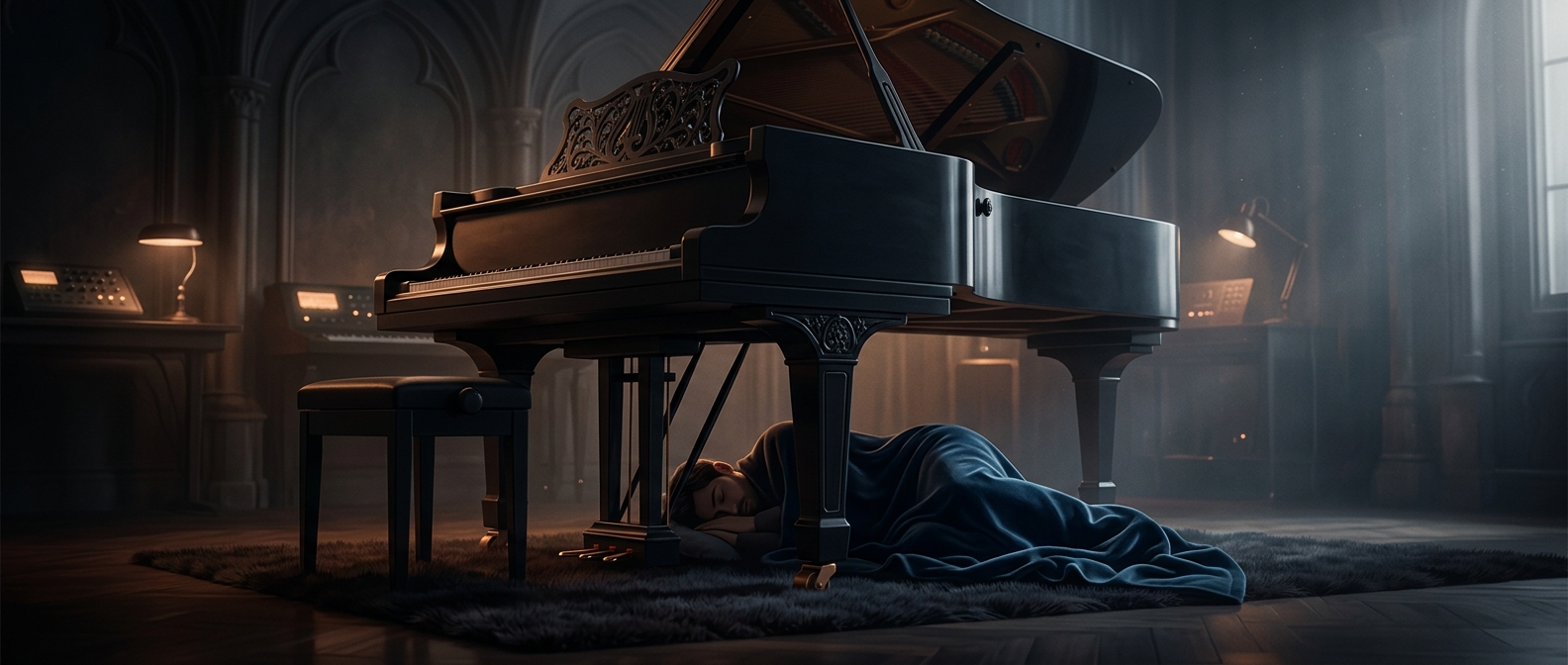
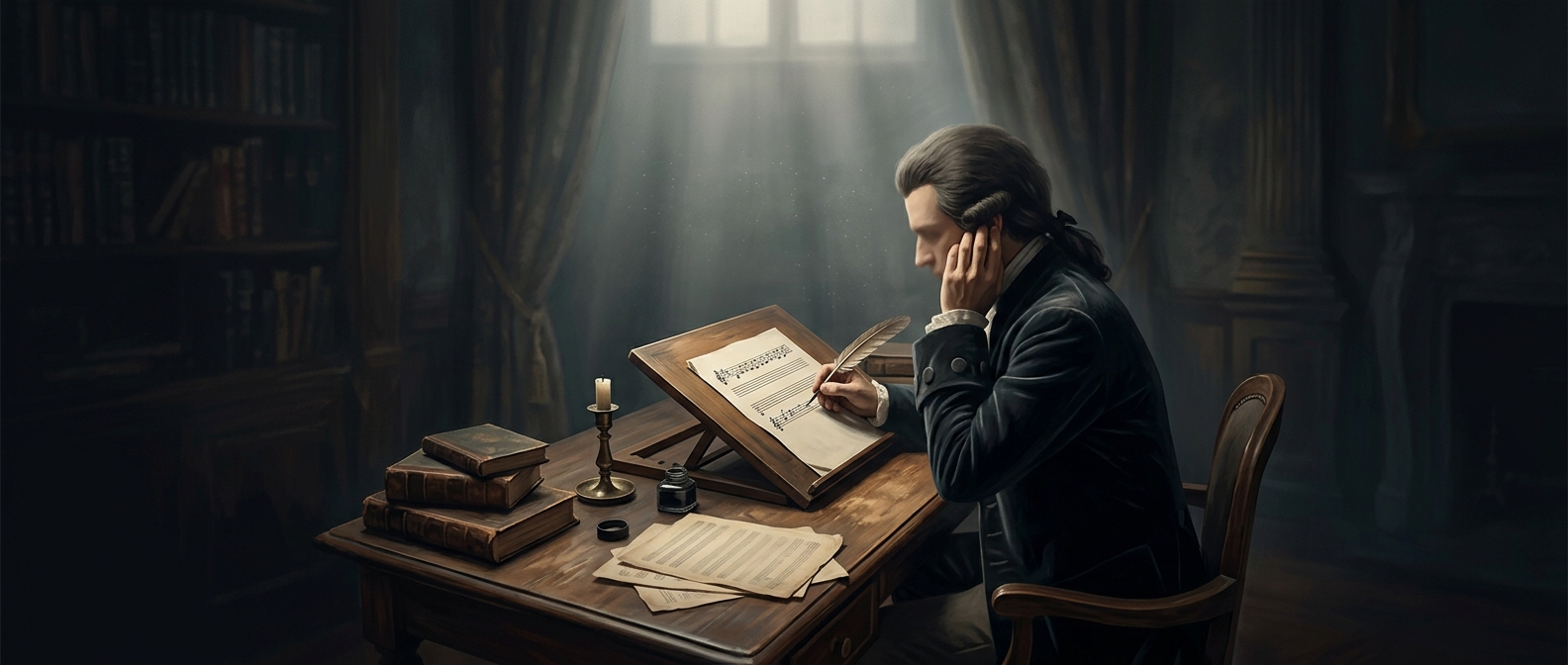
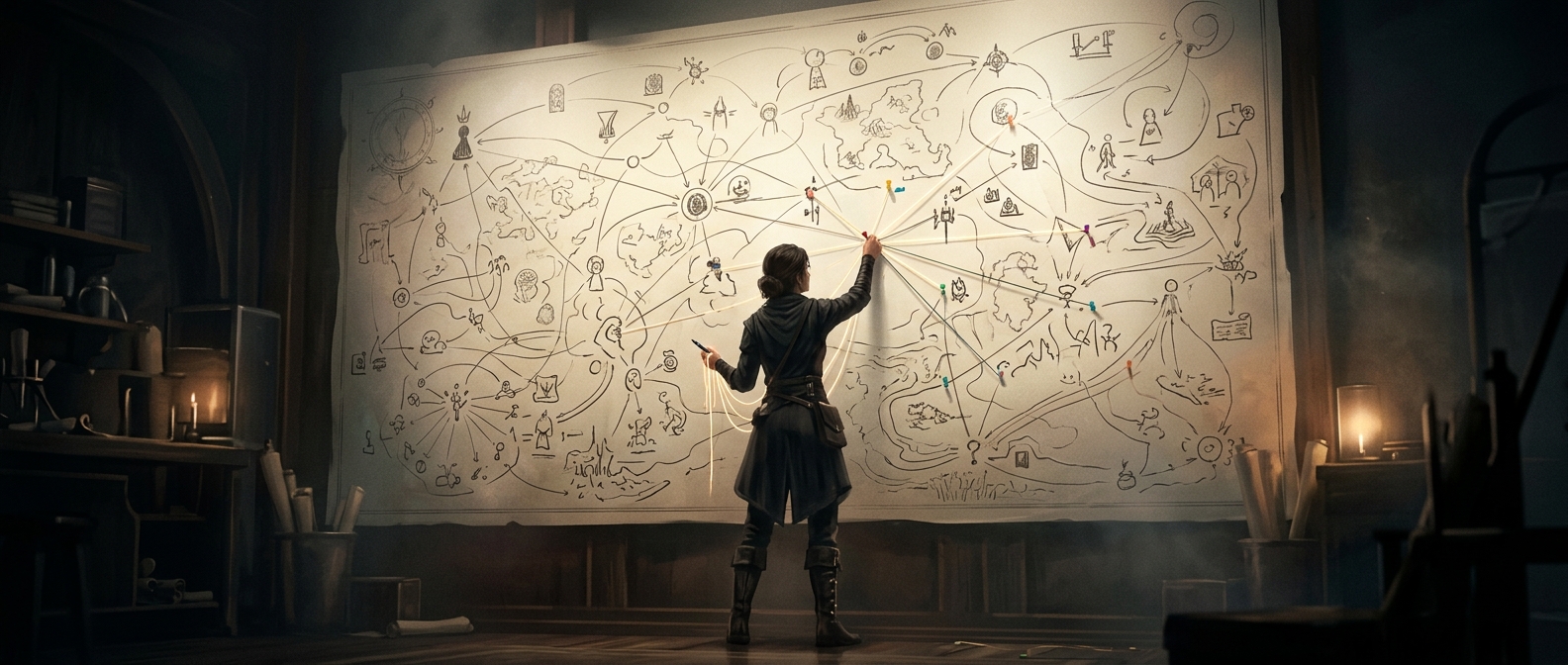
When a composer starts with only a concept and a sketch, the task is not to match music to finished scenes. It is to turn a few clues—such as the setting, the central conflict, or the intended mood—into a musical direction the rest of the project can react to.
That often means making choices before the story’s details are settled. A sparse melody might suggest loneliness; a steady pulse might make an unfamiliar world feel tense or purposeful. These are not just decorations. They give the team a first version of the game’s emotional voice, which can help designers and artists decide what feels consistent with the experience they are building.
The First Draft Is a Creative Test
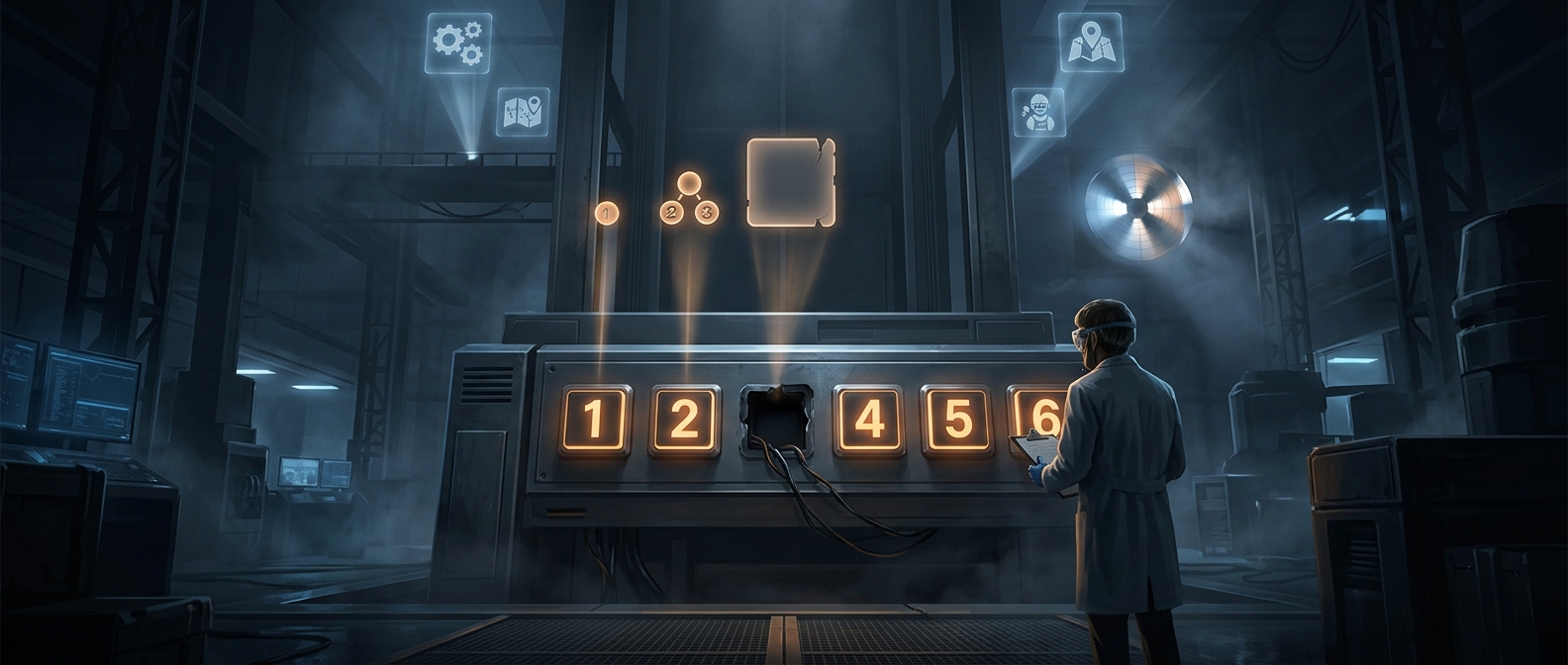
A theme written early is usually a proposal, not a final score. Once characters, environments, and gameplay take shape, the composer can adjust its rhythm, instrumentation, or mood—or write music for specific moments that were not apparent from the initial concept.
Starting early also lets music develop alongside the game rather than waiting until every visual asset is complete. The tradeoff is that the composer must leave room for revision: a promising idea has to survive contact with the actual world, pacing, and emotional turns of play.
That is why an early theme can do more than fill silence. It gives a still-imaginary game something the team can hear, question, and reshape.