Before the Feathered Shuttle, a Wool Ball
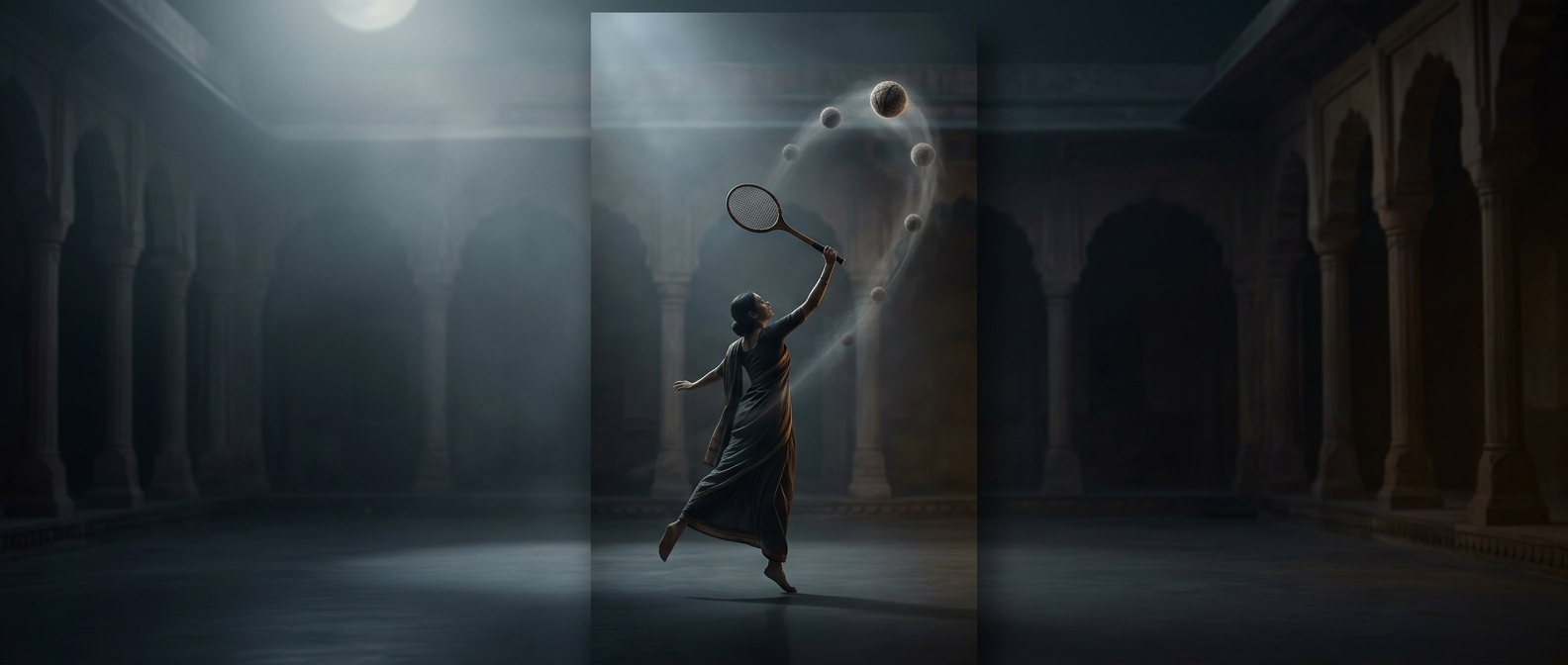
Badminton’s early play did not always rely on the cone-shaped feather shuttle familiar today. In India and England, players also used small balls made of wool. That simple projectile made the game possible before one design became the shared standard: players could send a light object back and forth with rackets, even though its flight differed from a feather shuttle’s.
Why the Projectile Changed the Game
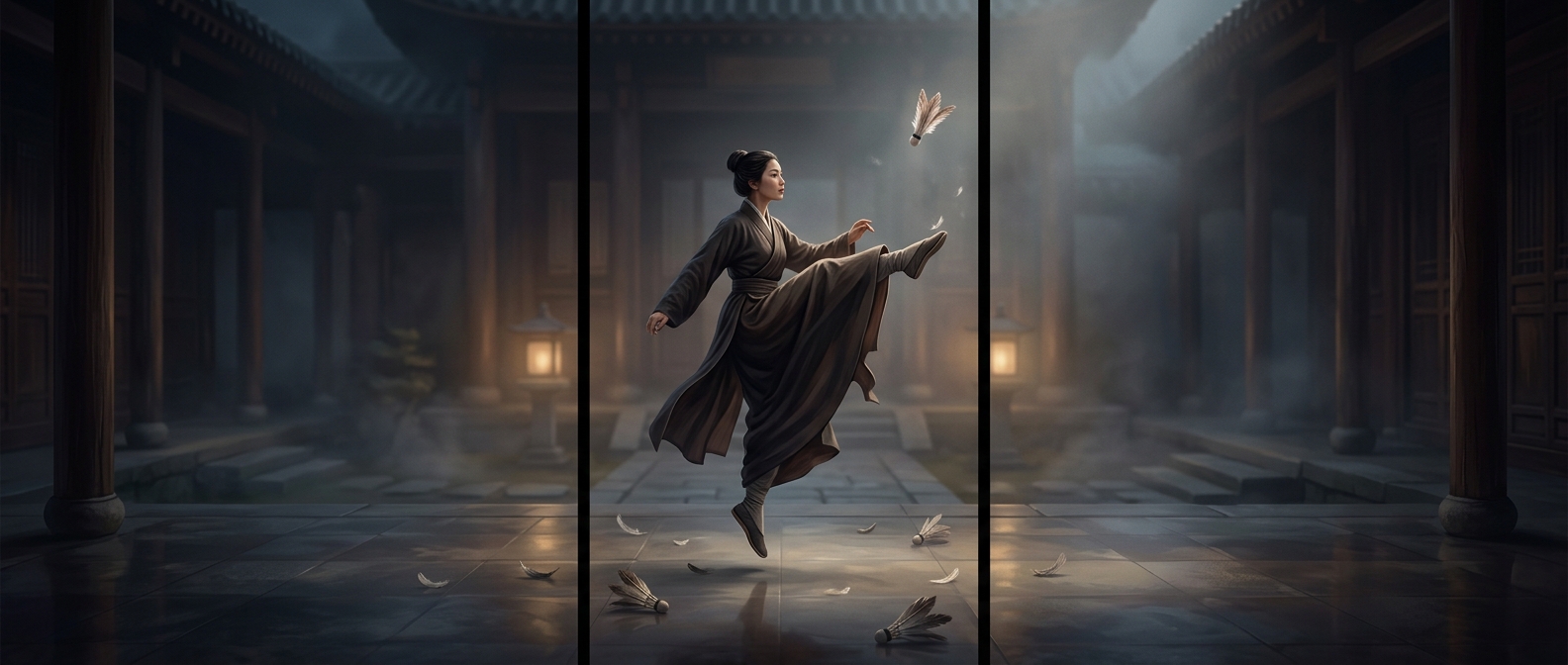
A feather shuttle is built to slow sharply in the air. Its feathers spread behind a cork base, creating drag—air resistance that quickly reduces its forward speed. The shuttle then drops steeply, giving players a distinctive rhythm of long clears, short drops and quick reactions near the net.
A wool ball does not have that feathered shape to catch the air, so it travels more like a small ball than a shuttle. The object itself therefore changes the play: the same swing and court can produce a different pace and trajectory. The switch to feathered shuttles was not merely a matter of appearance; it helped define badminton’s characteristic flight and the tactics built around it.
A Game Still Taking Shape
The wool-ball version is a reminder that games often become recognizable through their equipment as much as through their rules. Before a standard shuttle settled into common use, players could adapt the materials at hand and still keep the central contest—striking an object across a space—alive. The feather shuttle did more than replace the wool ball: its unusual, rapidly slowing flight gave badminton a distinctive way to play.