How Pulp Fiction Put Much of Its Budget on Screen
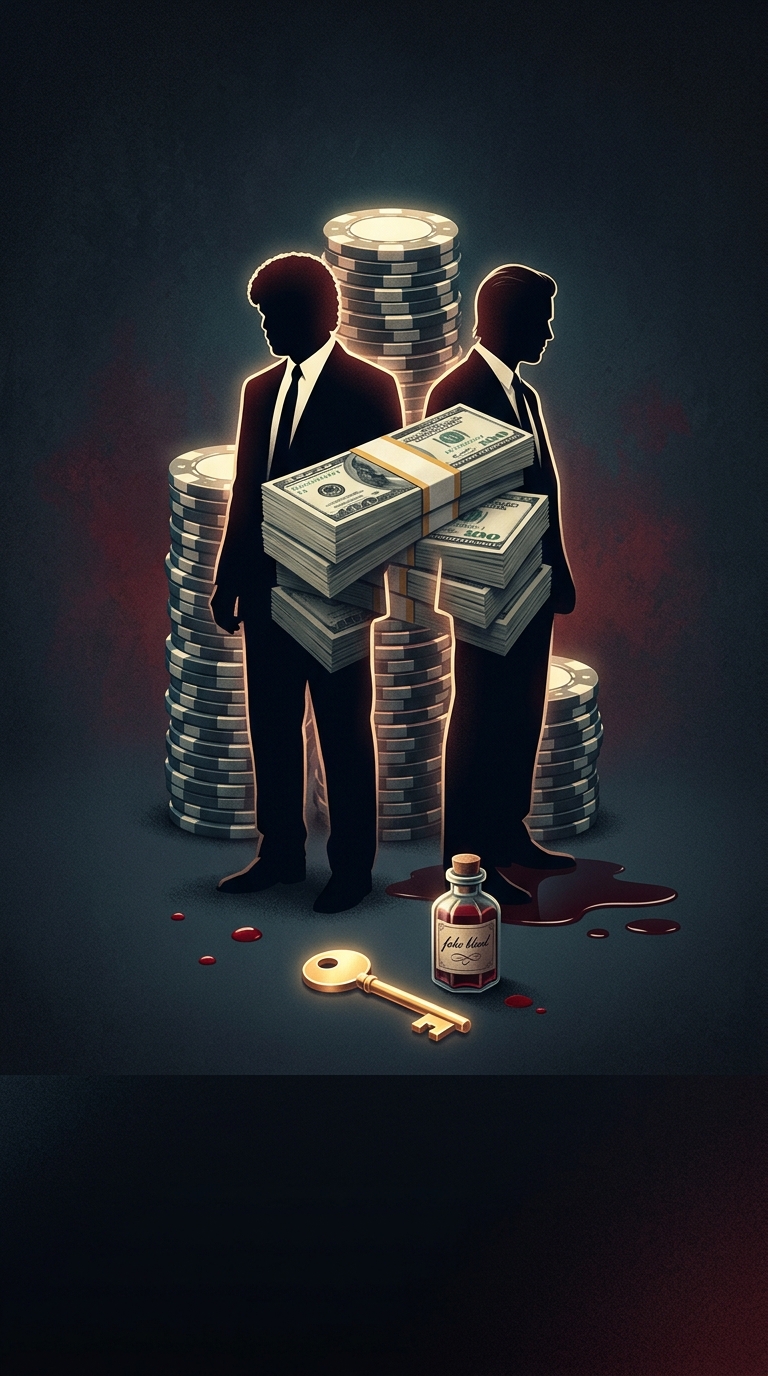
A production budget is a set of tradeoffs: money spent on one part of a film is money unavailable for another. Pulp Fiction was made for about $8 million, and more than $5 million went to cast salaries. That left less than $3 million for everything else the production budget covered, including locations, sets, equipment, crew, and the many practical costs of getting scenes filmed. The figures make the film’s priorities unusually visible: a large share of its limited resources went to the performers.
The Bet Behind a Cast-Heavy Budget
A film’s cast can shape how audiences notice and remember it, but hiring prominent performers concentrates financial risk. If salaries take up most of the budget, the production has less room to absorb overruns or spend freely elsewhere. The budget therefore represents a wager: that the performances and the film’s other creative choices can make a comparatively small production feel distinctive.
The numbers alone do not tell us how any individual performer was paid, what production costs were excluded, or how the budget was financed. They do show the scale of the decision: the cast accounted for well over half of the stated production cost.
Why $200 Million in Gross Is Not Profit
The film went on to gross more than $200 million worldwide. “Gross” means the total revenue recorded at the box office, not the amount the filmmakers or studio kept. Theaters retain a share, and distribution and marketing costs are separate from the production budget. So the comparison is not a simple calculation of profit—but it does show how a film made on an $8 million production budget reached a worldwide box office many times that amount.