A screenplay built one handwritten page at a time
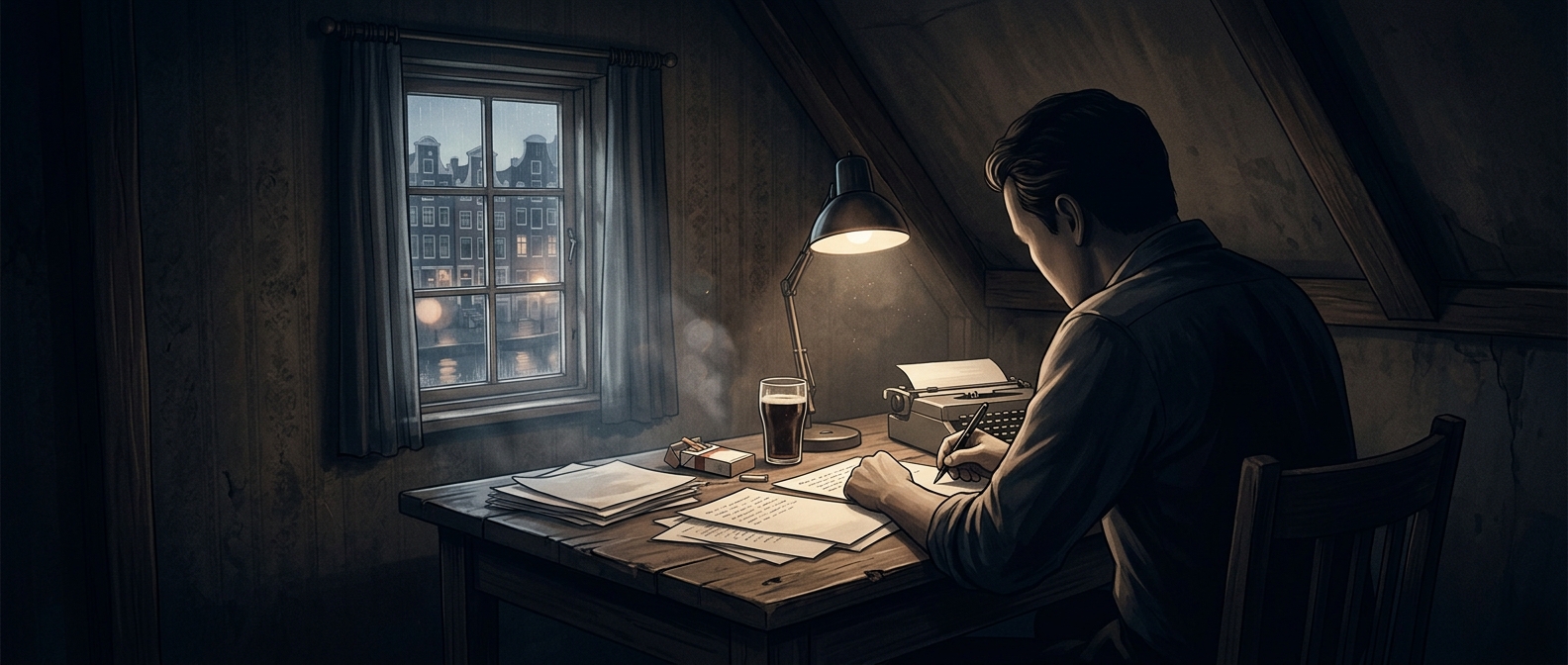
In 1992, Quentin Tarantino spent several months in a small Amsterdam hotel room writing Pulp Fiction by hand in dozens of notebooks. That method left him free to follow scenes as they came to mind without first fitting them into screenplay software or a rigid outline. Later, the handwritten material had to be shaped into a script that actors and a production crew could use, with clear scene headings, dialogue, and action.
The setting mattered in a less obvious way, too. Away from Los Angeles, Tarantino was encountering the United States from a visitor’s vantage point: familiar things could become newly noticeable when explained to someone from elsewhere.
Turning a fast-food detail into character
That perspective fed the film’s conversation about European McDonald’s. Two American characters compare the names and customs associated with McDonald’s in Europe and the United States. The scene is not there to deliver a travel guide; it gives the characters room to talk, joke, and reveal how they see the world before the plot pushes forward.
This is a hallmark of the film’s construction. A discussion that might seem incidental can establish voice and relationship while making the fictional world feel lived in. The Amsterdam connection is therefore more than a biographical footnote: time spent noticing everyday differences abroad helped supply a small, specific piece of dialogue that audiences remember.