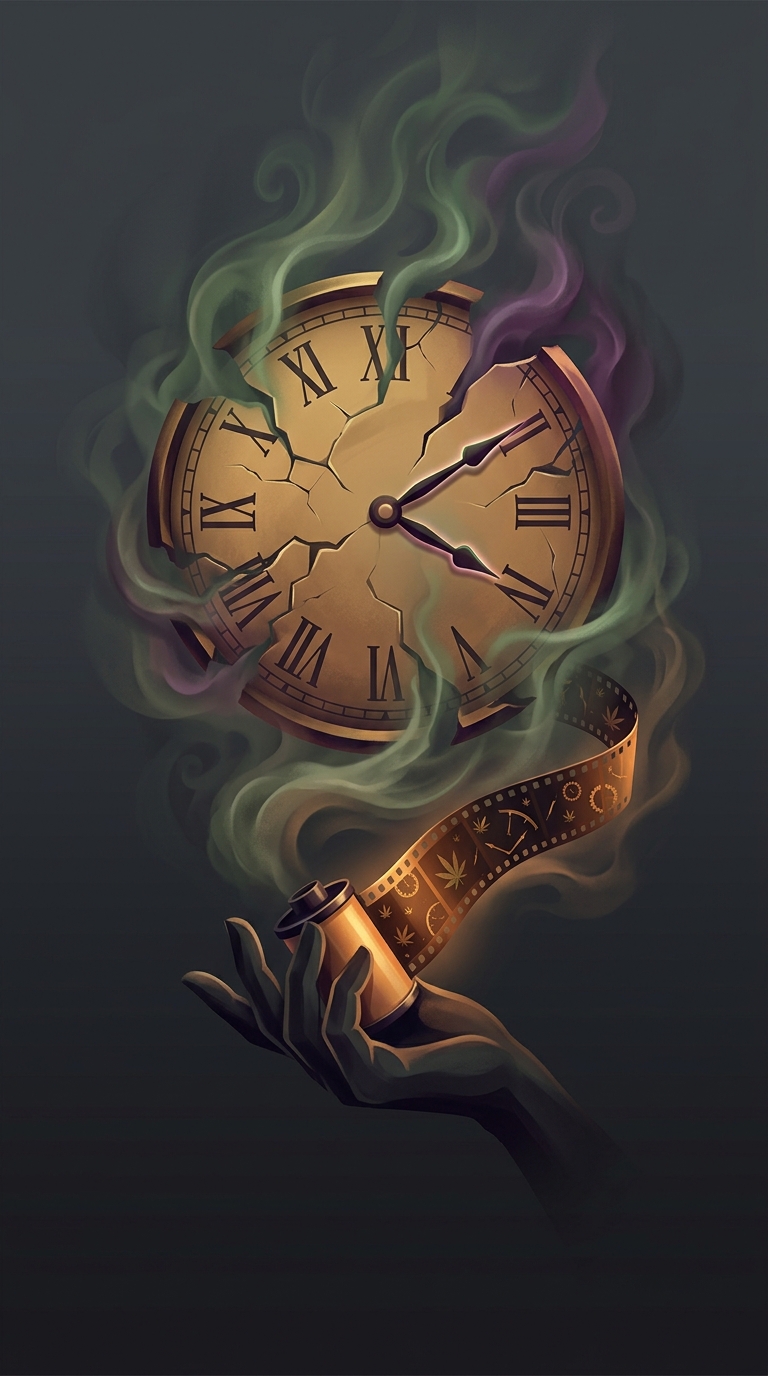
A recurring time stamp in a nonlinear film
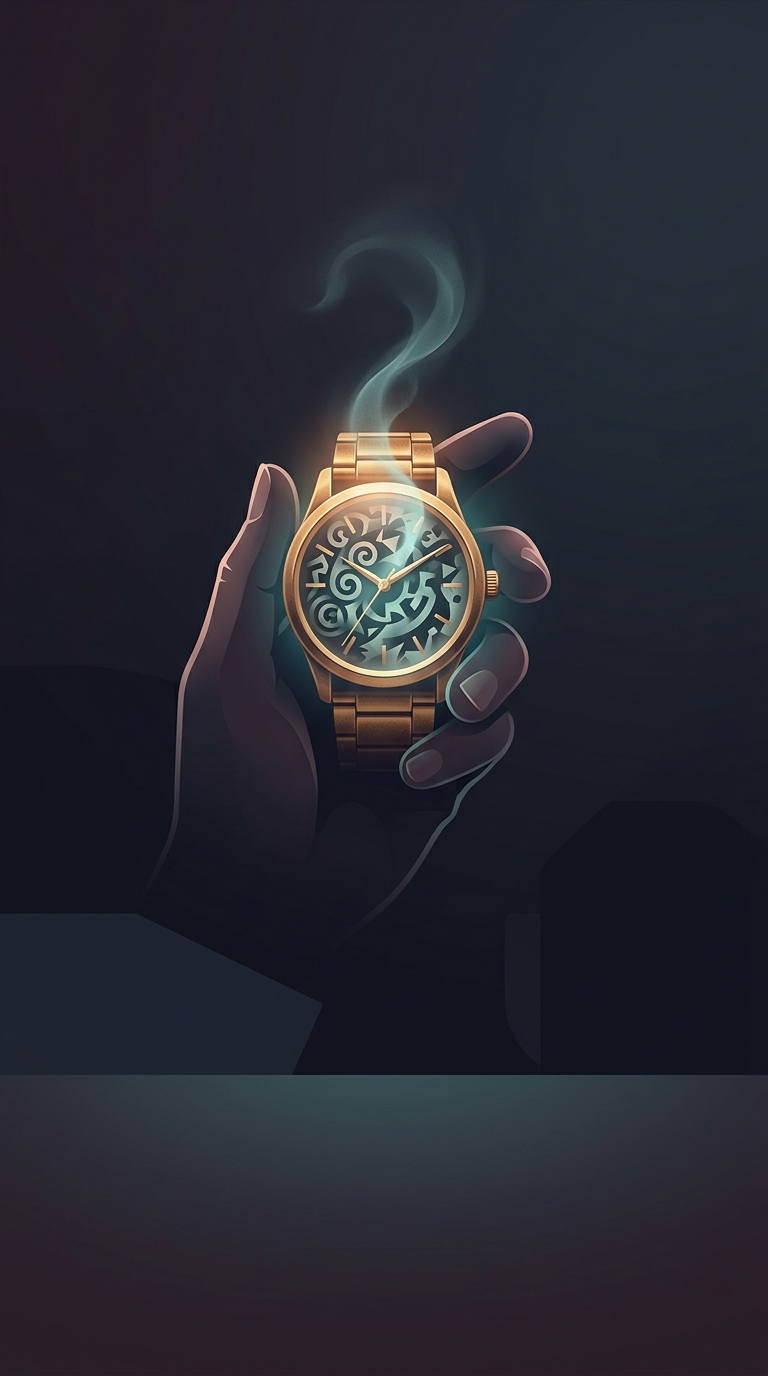
In Pulp Fiction, clocks in the background repeatedly show 4:20. Because the film jumps among storylines and presents events out of chronological order, a clock might seem like a useful clue to when a scene takes place. These matching displays point elsewhere: they work as a recurring visual joke, not a reliable guide to the plot’s timeline.
That makes the detail easy to miss on a first viewing. The clocks are part of the setting, while the story keeps the audience busy following characters and connecting episodes. Once a viewer notices the repeated time, ordinary background decoration becomes a small pattern to look for across the film.
Why 4:20 carries a second meaning
In American popular culture, “420” is shorthand associated with marijuana. That association gives the clocks their wink: viewers familiar with the reference can read the time as a joke embedded in the scenery. The film offers the visual cue, but Tarantino has not explicitly confirmed that this is why it appears.
The detail is a classic kind of film Easter egg—a deliberate background element that rewards attentive viewers without being necessary to understand the story. Its appeal comes from the contrast: a simple, repeated clock setting sits quietly inside a film famous for making its chronology anything but simple.