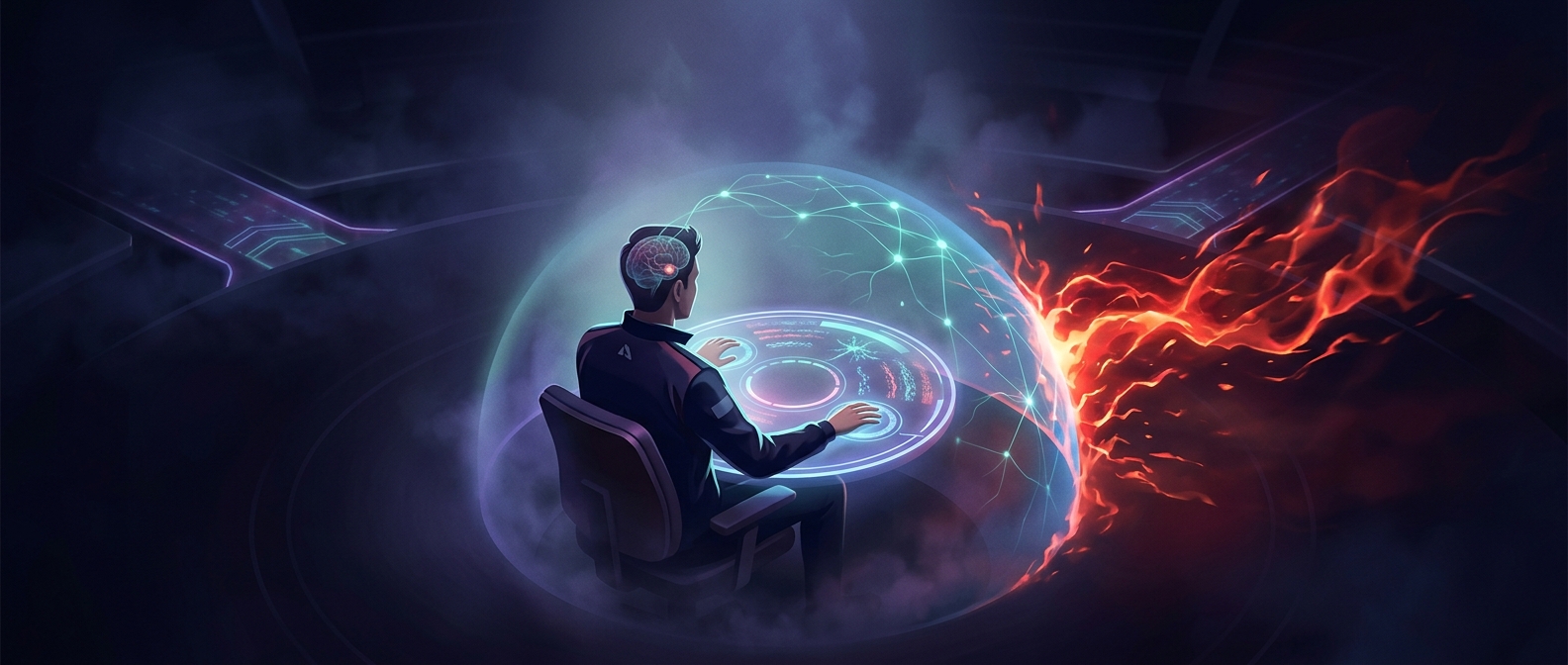
Why anger can distort the next decision
A frustrating moment can commandeer attention. After a missed move or an opponent’s taunt, the mind keeps replaying what felt unfair or humiliating. That leaves less attention for the changing game: what the opponent is doing now, which options remain, and what the next move might cost.
In a fast match, that shift matters because decisions arrive before the emotion has fully faded. A player who acts to answer the insult or undo the last mistake may take a risk that makes sense emotionally but not strategically.
The reset is a change of question
The useful move is not necessarily to stop feeling angry. It is to redirect attention from the event that cannot be changed to the choice that can still be made. “What do I do now?” turns the mind toward current information and available actions.
That question also interrupts a common trap: treating one mistake as a verdict on the rest of the game. The next decision can be judged on its own, rather than being forced to repair the past or prove something to an opponent.
Why the reset has to happen in play
A game keeps moving while a player is upset. The opponent may change tactics, an opportunity may open, or a safe option may disappear. Reorienting to the present therefore does more than soothe frustration: it helps restore the attention needed to notice those changes.
The practical test is whether the next move responds to the game as it is now—not to the moment that made the player angry.