A tiny game became hard to escape
In Flappy Bird, each tap gave a small lift to a bird threading through gaps between pipes. The controls were simple, but the narrow margins made every mistake feel immediate—and invited another attempt. That quick retry loop helped turn a modest mobile game into a viral hit, while ads displayed during play could generate substantial revenue as the audience grew.
Success brought a different kind of pressure
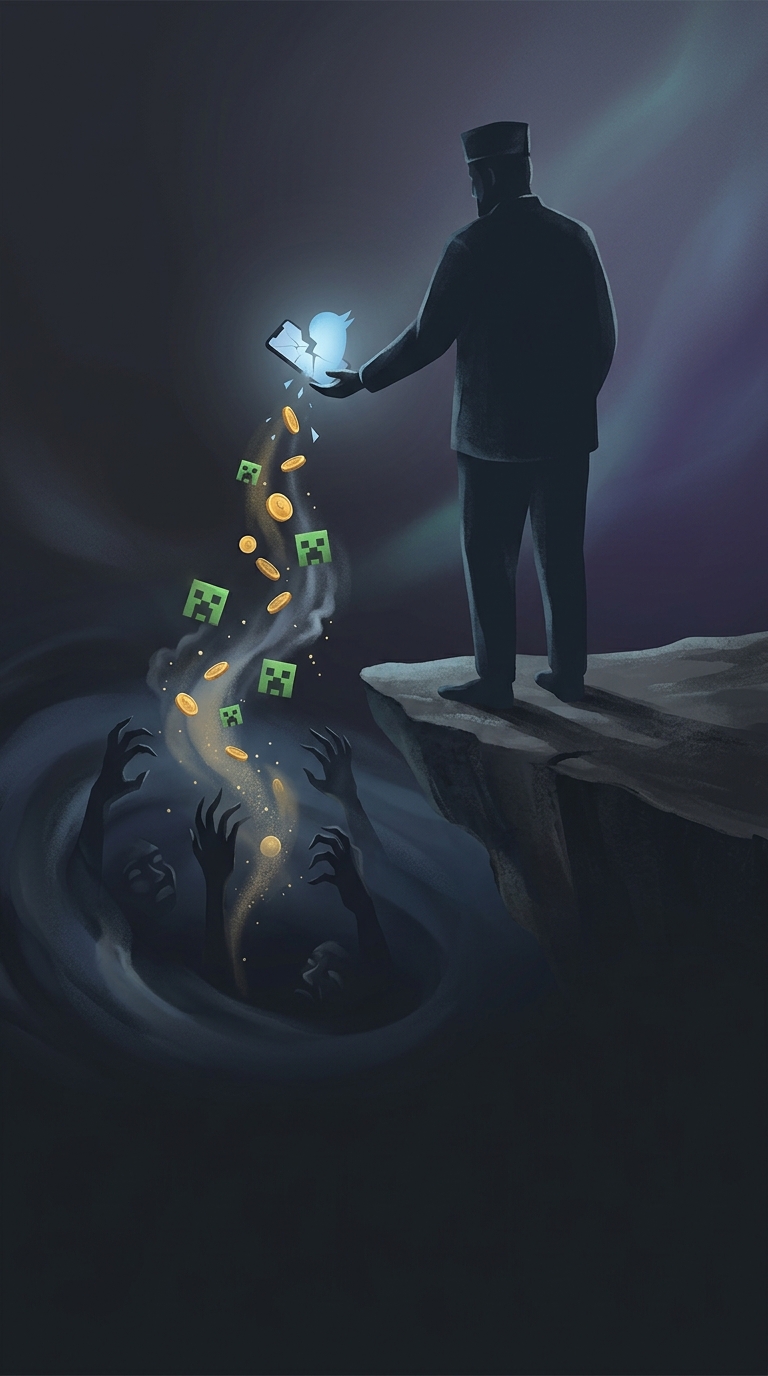
The game’s popularity also changed the experience for its creator, Dong Nguyen. He said he felt troubled by how compulsive players found it and faced angry messages from frustrated users. The same features that made the game easy to pick up—brief rounds, simple controls, and repeated attempts—could make it difficult for some players to put down. A hit measured in downloads and ad income was, for Nguyen, also a source of unwanted attention and personal strain.
Removing it was not erasing it
Nguyen’s decision was to take Flappy Bird off major app stores, not to make every copy vanish. People who had already installed it could still have it on their devices, and the game’s fame endured through discussion and imitators. The choice was striking because it meant stepping away from a lucrative success rather than expanding it. Its story turned a familiar mobile-game loop into a broader question: what happens when a creator no longer wants the consequences of a product that audiences cannot stop playing?