A Familiar Board Game, Rebuilt as an Escape Kit
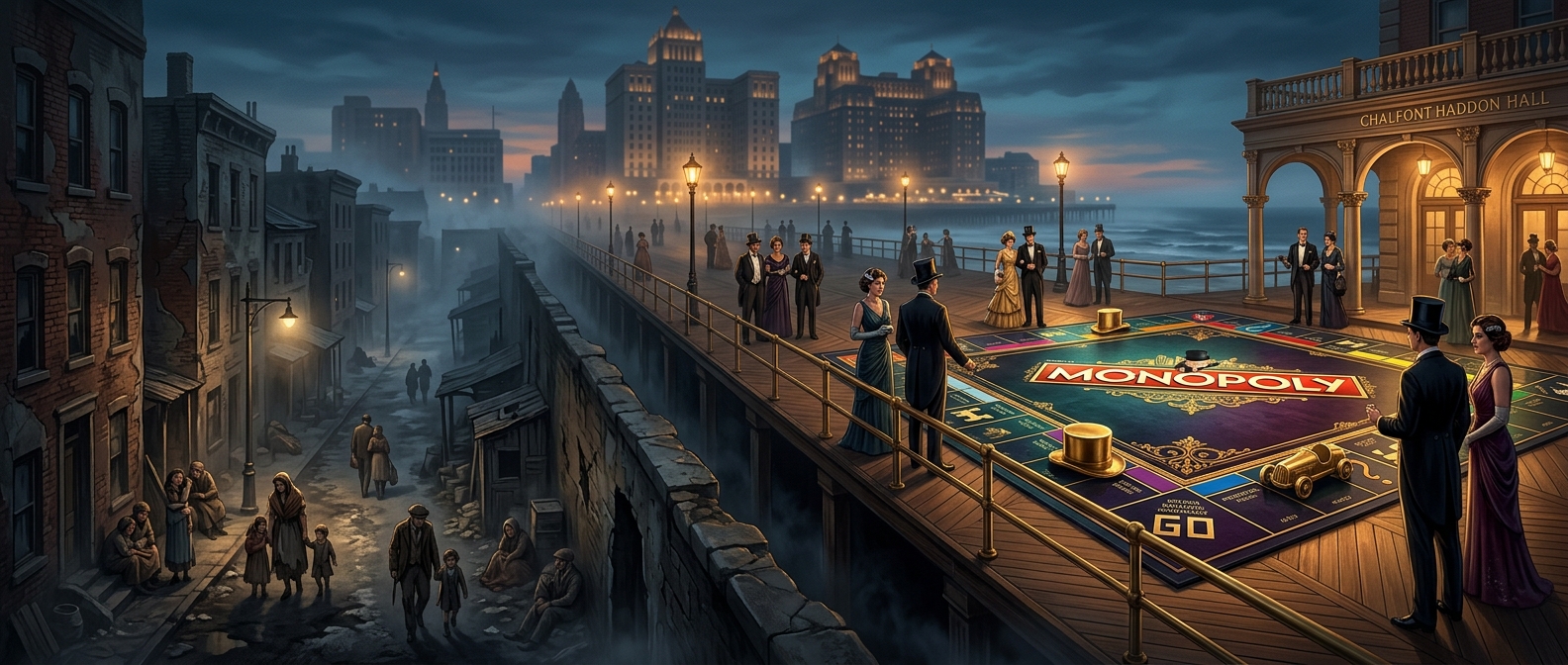
A Monopoly board could pass a quick inspection because it looked like exactly what it was supposed to be: a recreational game. British intelligence used that ordinary appearance to move practical escape supplies into prisoner-of-war camps, where guards had reason to expect games but not hidden maps or navigation tools.
The concealment depended on fitting the tools into the game’s familiar parts. Maps printed on silk could be folded into a very small space; unlike paper, silk was less likely to tear when repeatedly unfolded and refolded. Other concealed items included compasses and real currency, which could help an escapee navigate and travel after getting beyond the camp. The boards were specially modified to hold the materials, rather than simply being ordinary retail sets with supplies tossed inside.
Why Monopoly Was a Useful Cover
The game’s many components offered plausible places to hide things, while its recognizable packaging made the whole parcel seem routine. That mattered: a conspicuous parcel labeled as equipment for escape would invite close scrutiny. A board game, by contrast, fit the category of recreation that prisoners were permitted to receive under the rules governing their treatment.
The disguise did not make discovery impossible. Its value was that it reduced suspicion enough to give the concealed materials a chance of reaching prisoners. Once inside a camp, maps and tools could be shared and used when an opportunity to escape arose.
The cleverness was not just in hiding a compass. It was in making the entire delivery look harmless: to a guard, a Monopoly board was entertainment; to a prisoner planning a route out, it could also be a compact cache of the means to travel.