The Cut That Withheld an Answer
The finale of The Sopranos does not show what happens to Tony Soprano. Instead, it builds a scene in which viewers keep scanning for danger, then ends the image and sound at once. That choice turns an ordinary family meal into a suspense sequence—and leaves the central question unresolved.
The scene’s editing trains viewers to watch the restaurant entrance. A bell rings as the door opens; Tony looks up, and the show cuts to his point of view. The pattern repeats, making each arrival feel potentially important. A man in a Members Only jacket enters and moves through the restaurant while the family talks and the song on the jukebox continues. The cuts narrow the gap between what Tony sees and what the audience sees, but never confirm what the man intends.
Why the Ambiguity Lands So Hard
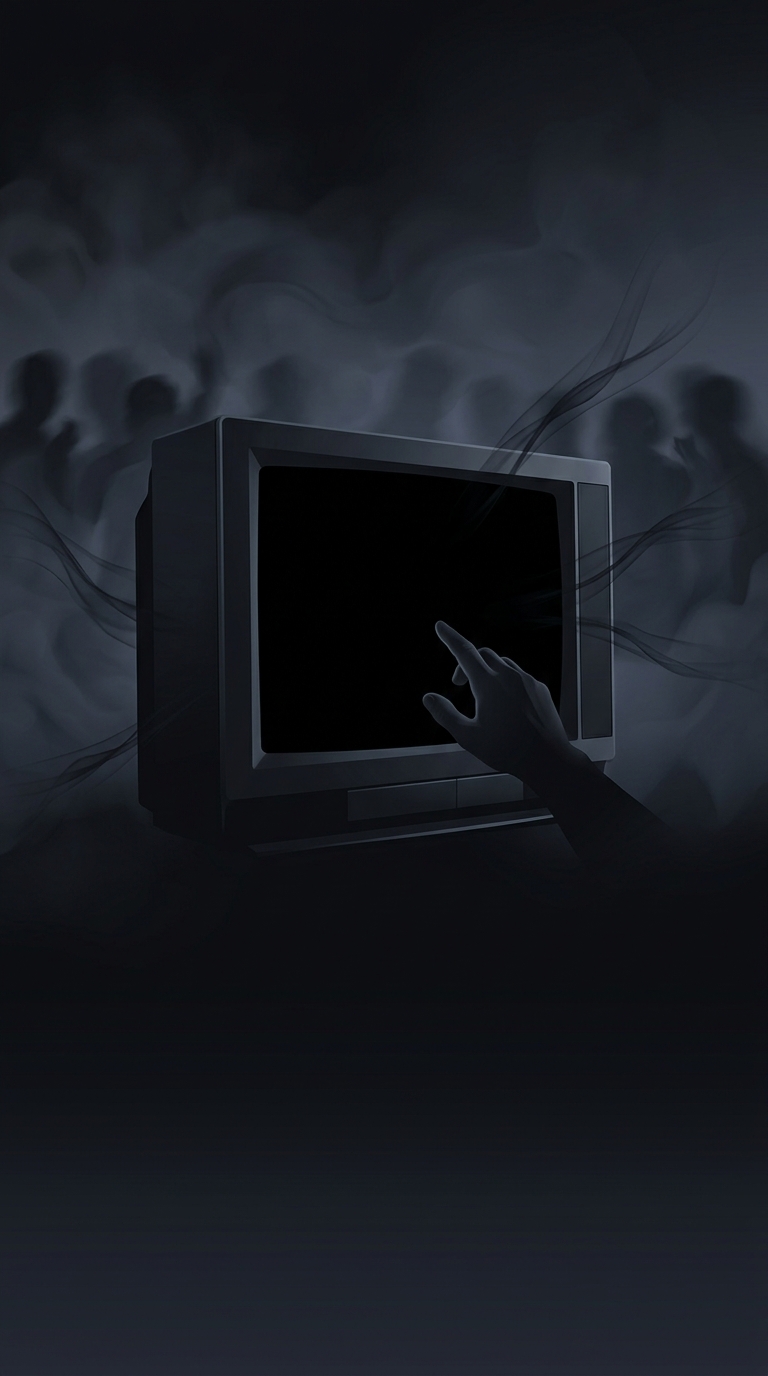
Television finales usually signal that a story is ending: they resolve conflicts, reveal consequences, or at least provide a final image. The Sopranos stops before any such confirmation. The sudden black screen can be read as Tony’s death, but the episode does not show a shooting or establish that interpretation as fact. It also does not offer a conventional final beat to tell viewers how to feel.
That refusal makes the audience complete the scene mentally. The black screen is not just a missing picture; it is the point at which the show denies viewers the next piece of evidence they have been trained to expect. Some initially mistook the abrupt interruption for a technical failure, an especially immediate response to a finale that had made watching for the next cut part of its drama.
The ending’s lasting force comes from that mismatch: the story stops, but the audience’s search for an answer does not. Each return to the scene can make the same final silence feel like a different ending.