Why a Moving Walkway Can Feel Slower Than It Is
A moving walkway adds its belt speed to a passenger’s forward motion. Someone who keeps walking therefore covers the corridor faster than someone walking on the floor at the same pace. But the belt does not guarantee that every passenger will walk briskly—or even walk at all.
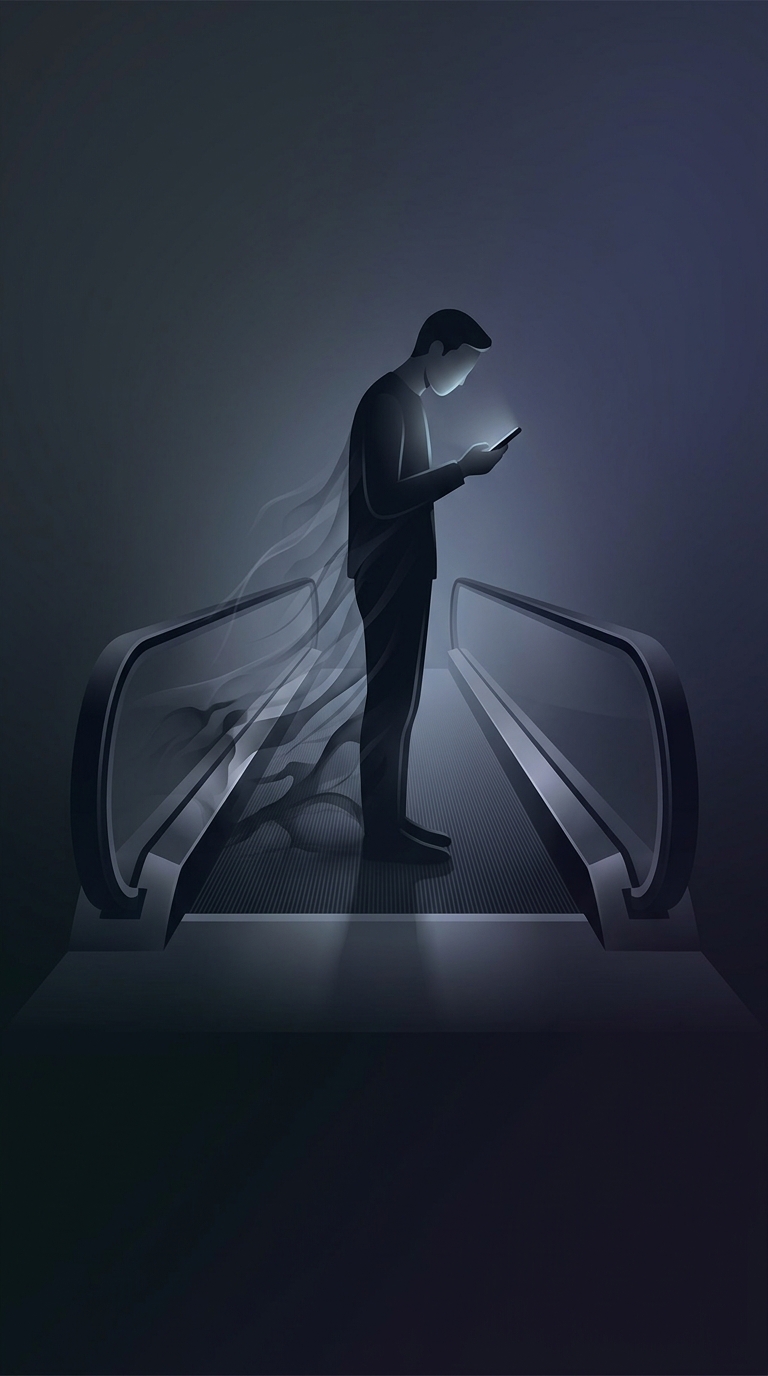
Stepping onto a moving surface changes the feel of walking. People may shorten or slow their steps as they adjust their balance, then settle into a comfortable pace. Others stop altogether. In a crowded walkway, even passengers who want to keep moving may find the passing side occupied. The machine still carries everyone forward, but its full speed advantage is available only to those who continue walking and have room to do so.
Built to Ease the Journey, Not Make Everyone Hurry
A moving walkway is useful even when riders stand: it carries them across a long stretch with less effort. That matters in airports, where travelers may be tired, pulling luggage, or moving with children. The walkway’s practical job is to make distance easier to cover; faster travel is an additional benefit for people who walk on it.
The difference between those two benefits explains the familiar mismatch between promise and experience. A traveler may expect the belt to add speed to a normal walk, while the ease of being carried encourages a slower pace or a pause. The belt supplies motion; passengers decide how much effort to add.
That tradeoff is visible in the passing lane. When it stays clear, walkers can add their own pace to the belt’s; when it fills with stationary riders, the walkway functions more like a moving platform. Either way, it keeps carrying people forward—even when its passengers turn the time-saving device into a chance to rest.