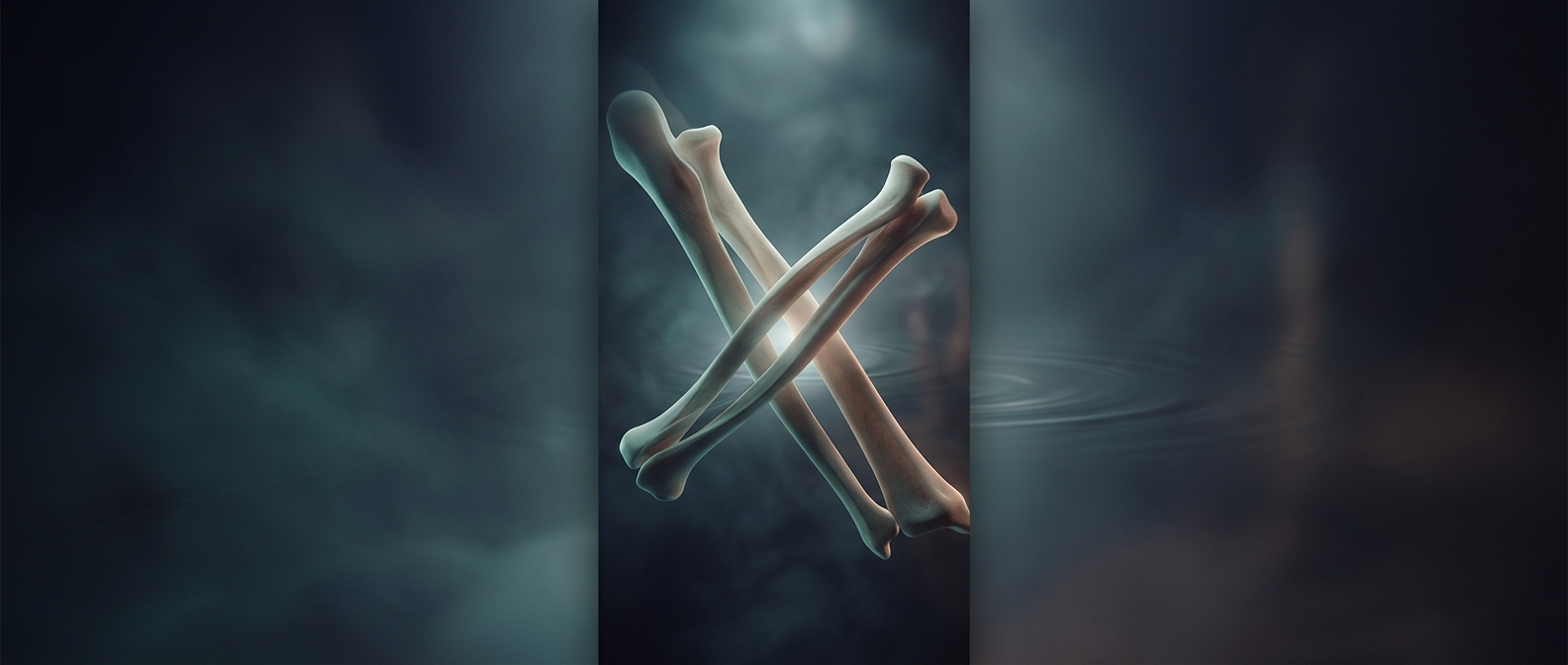
Two Forearm Bones, One Turning Hand
The radius and ulna meet at two small joints: one near the elbow and one near the wrist. Together, these joints let the radius pivot around the ulna. When you turn your palm down—a movement called pronation—the radius swings across the ulna. Turn the palm up, and the bones return to a more parallel position, called supination.
The ulna acts roughly as the steadier side of this arrangement, while the radius carries most of the hand’s rotation. A strong sheet of connective tissue between the bones, the interosseous membrane, helps hold them in alignment and spread forces through the forearm.
Rotation Happens in the Forearm
This motion is not the whole arm twisting at the shoulder. The upper arm can stay still while the radius turns at its joints with the ulna, bringing the hand along with it. The wrist then positions the hand, but it is not what produces the main palm-up or palm-down rotation.
That division of labor makes ordinary actions possible without requiring the shoulder to swing around each time. Turning a key, using a screwdriver, or reaching for an object with the palm facing down all rely on the forearm’s paired bones moving in coordination. The hand can change its orientation while the elbow and upper arm remain pointed in the same direction.