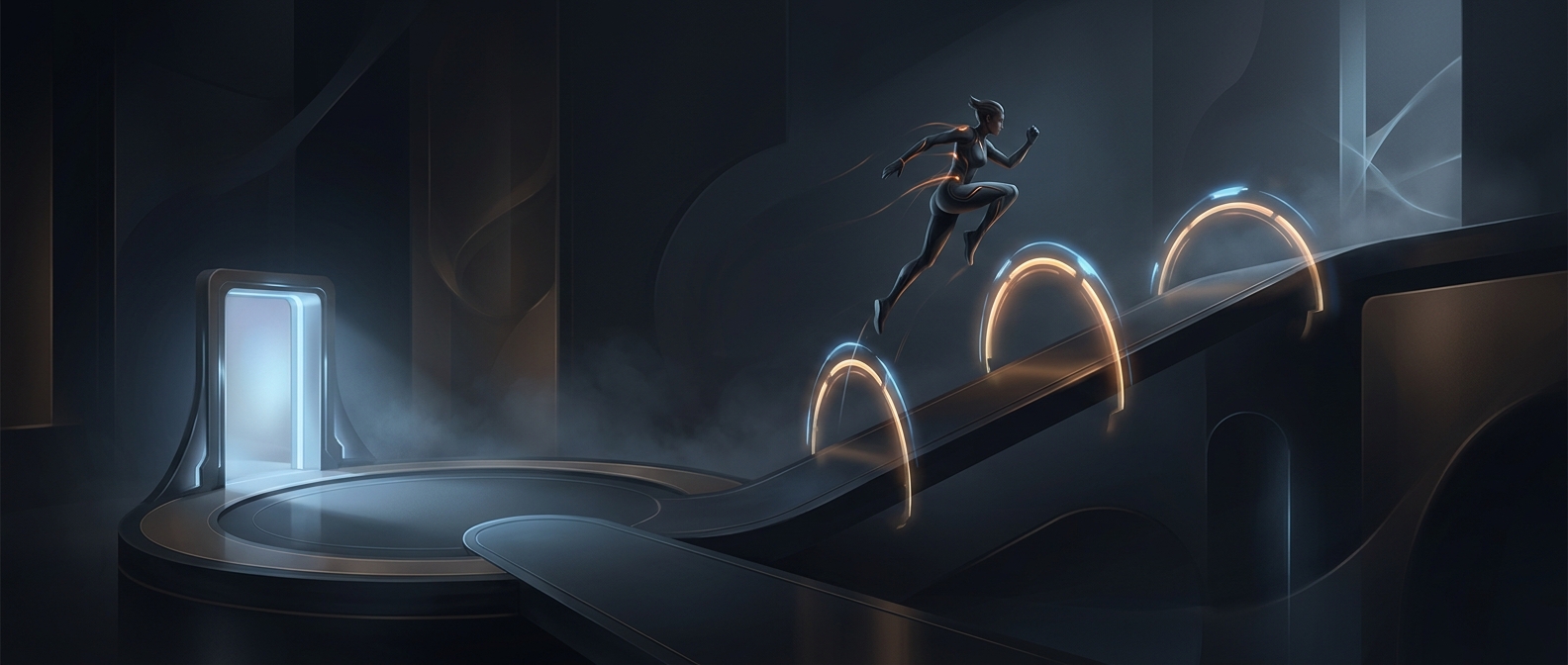
Why a Game Character Might Vault the Wall
A character’s route is not always chosen by comparing every visible opening and picking the shortest one. Many games guide movement with a navigation mesh: a simplified map of surfaces an AI character can walk across. Special actions such as vaulting are added as links between parts of that map, much like a marked bridge between two otherwise separate areas.
An open doorway can be obvious to a player yet fail to register as the best route for the character. Its passage might be missing from the navigation data, blocked by an invisible collision boundary, or assigned a higher travel cost than the vault. In that case, the AI follows the route its movement system recognizes—even if it looks foolish from the outside.
The Shortcut Has to Work in Motion
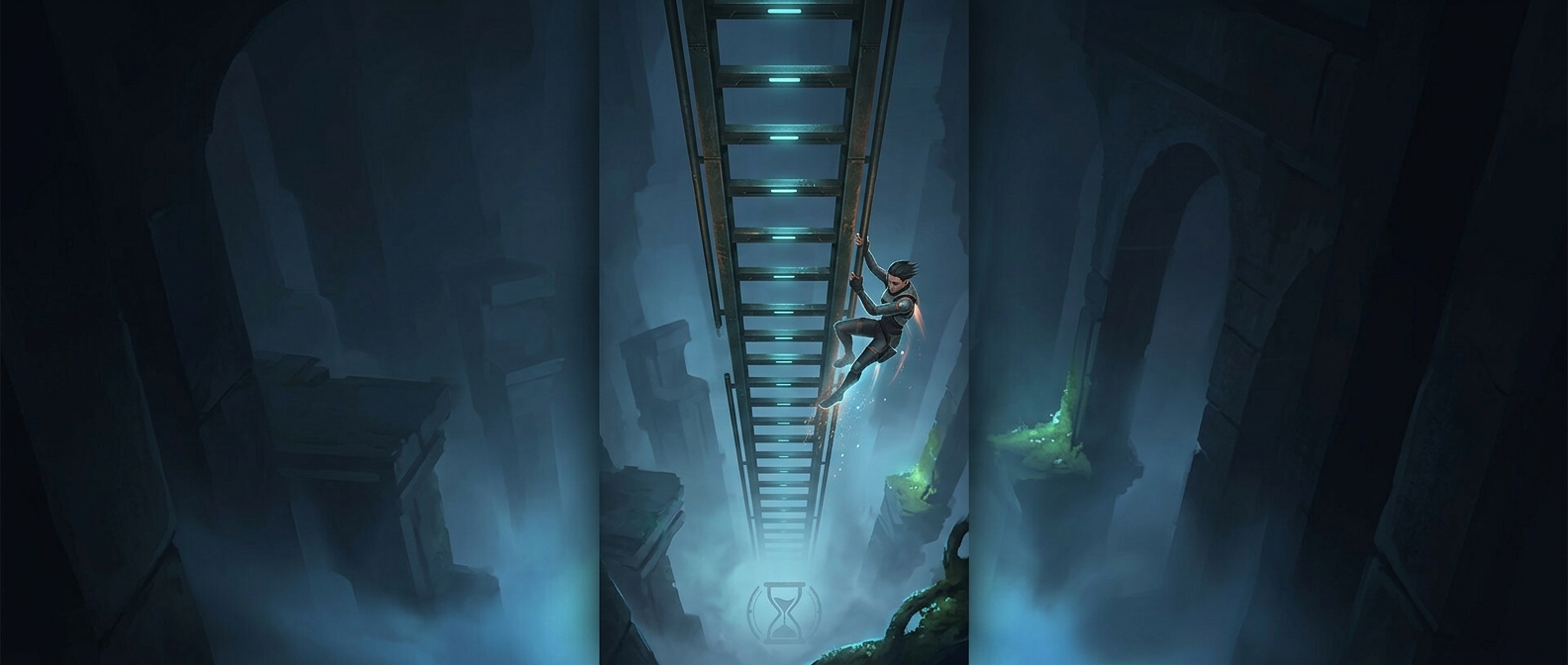
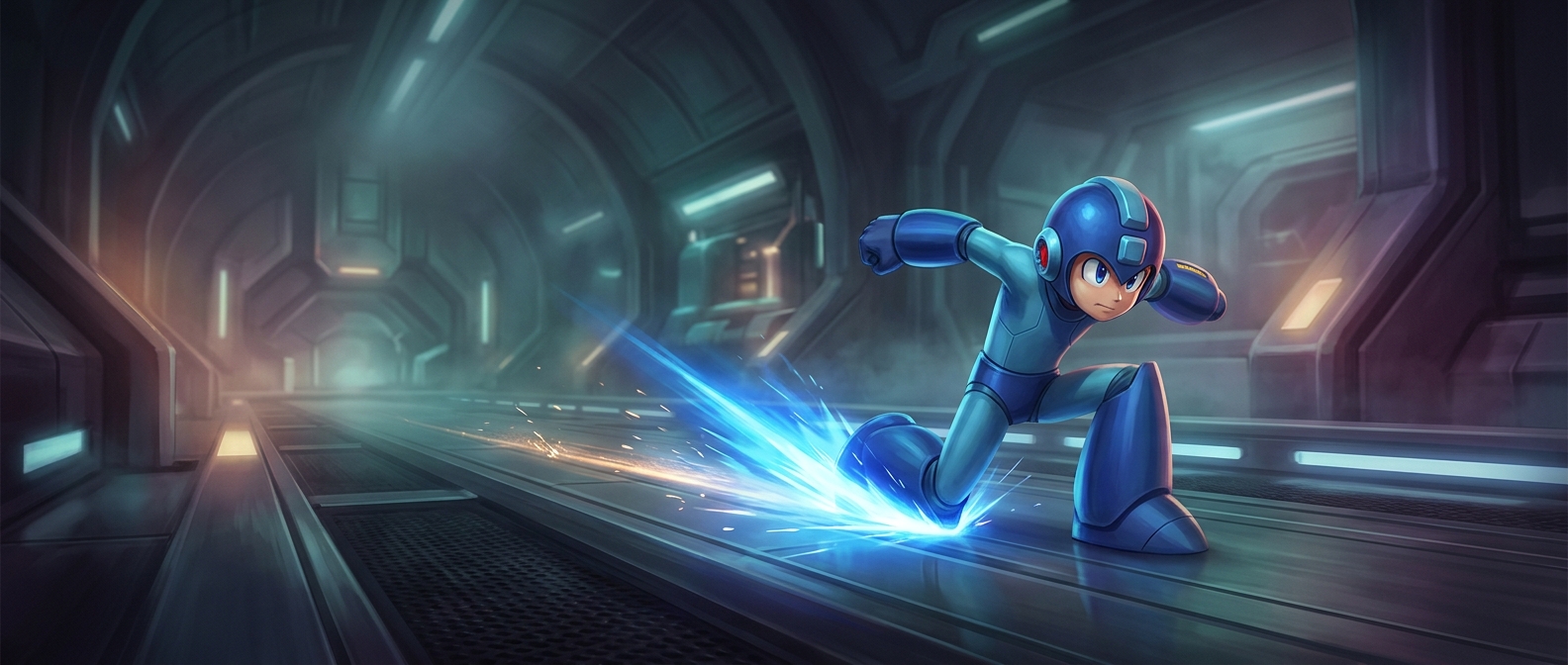
Vaulting is also an authored action, not just a jump. The game may need a specific takeoff point, landing space, and animation that fits the wall. Designers connect those pieces to the navigation system so a character can perform the move reliably. If the character is already near a valid vault point, the system may choose that route rather than attempt a less certain path through the doorway.
That can make the behavior look like showing off, but it often reflects a practical tradeoff: a dramatic, predictable traversal action may be easier for the game to execute than a subtle path through a narrow opening. The result is a small reminder that characters navigate the world as it is represented in the game’s systems—not quite as a human observer sees it.