The animation changes the feeling more than the clock
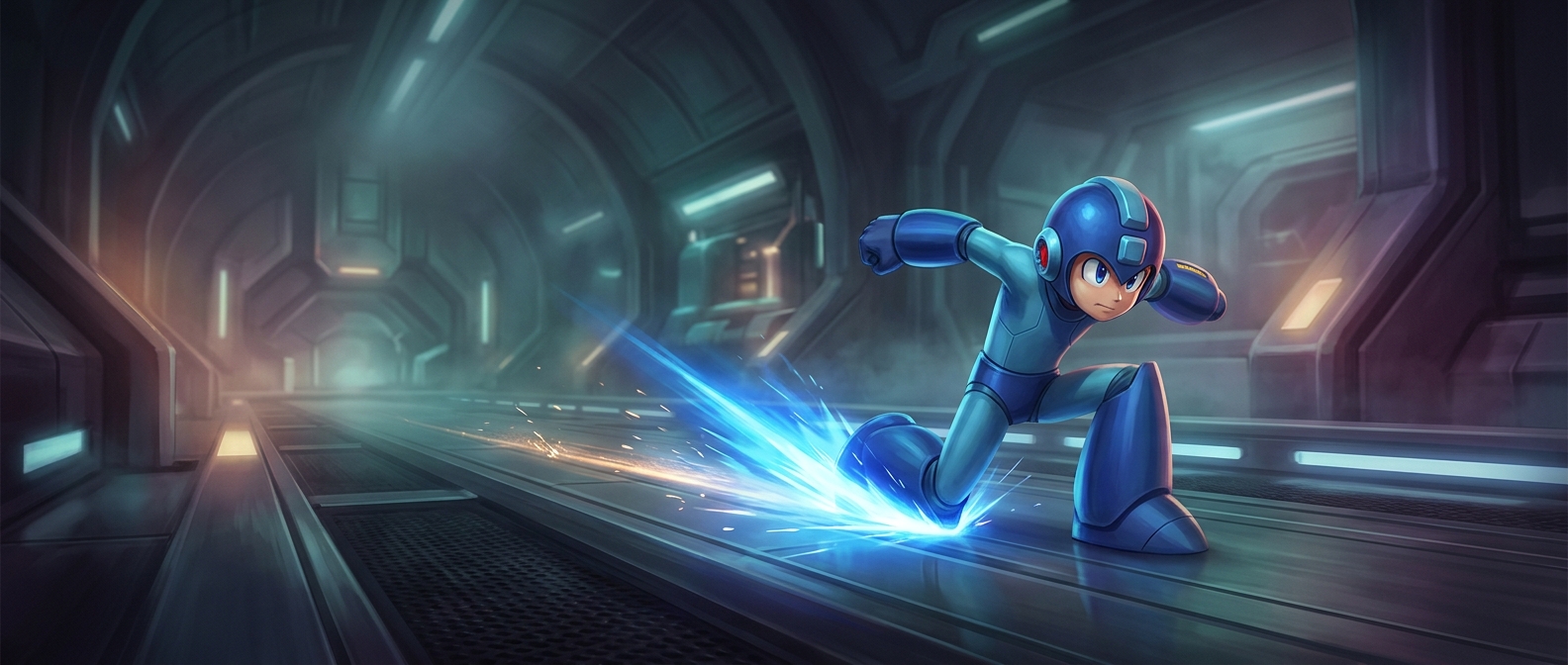
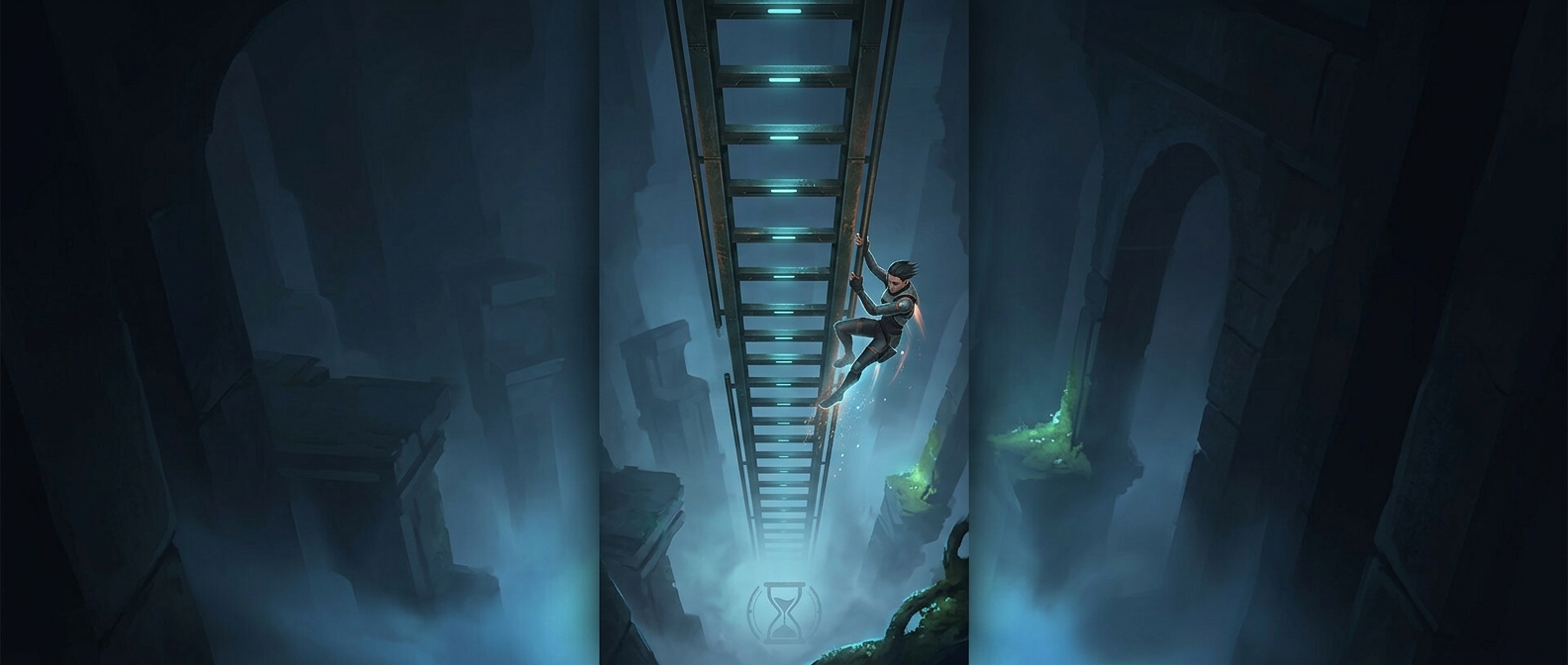
A character sliding down a ladder seems quicker because the motion is one smooth, decisive drop. Climbing, by contrast, is shown rung by rung, making the same stretch feel longer. But the animation’s pace is not necessarily the game’s travel time: designers can make a slide look dramatic while keeping its duration close to an ordinary descent.
Why keep the timing nearly even?
Ladders are part of a level’s route, so their timing affects more than the animation. If sliding were much faster, players might gain a meaningful advantage by choosing every ladder over a nearby path—or risk losing time when a slide ends awkwardly. Keeping descent time nearly unchanged lets the move add character without turning ladder choice into a major efficiency calculation.
The slide can still feel rewarding. A clear start, quick movement, and controlled landing give the player a small flourish and make the character feel nimble. That sensation is a design payoff even when the clock barely notices it.
The useful distinction
Games often separate perceived speed from actual elapsed time. A dramatic animation can make an action feel brisk without reducing the time spent moving through the level. So the slide is less a shortcut than a bit of physical personality: it makes getting down the ladder more fun, while leaving the route’s pace largely intact.