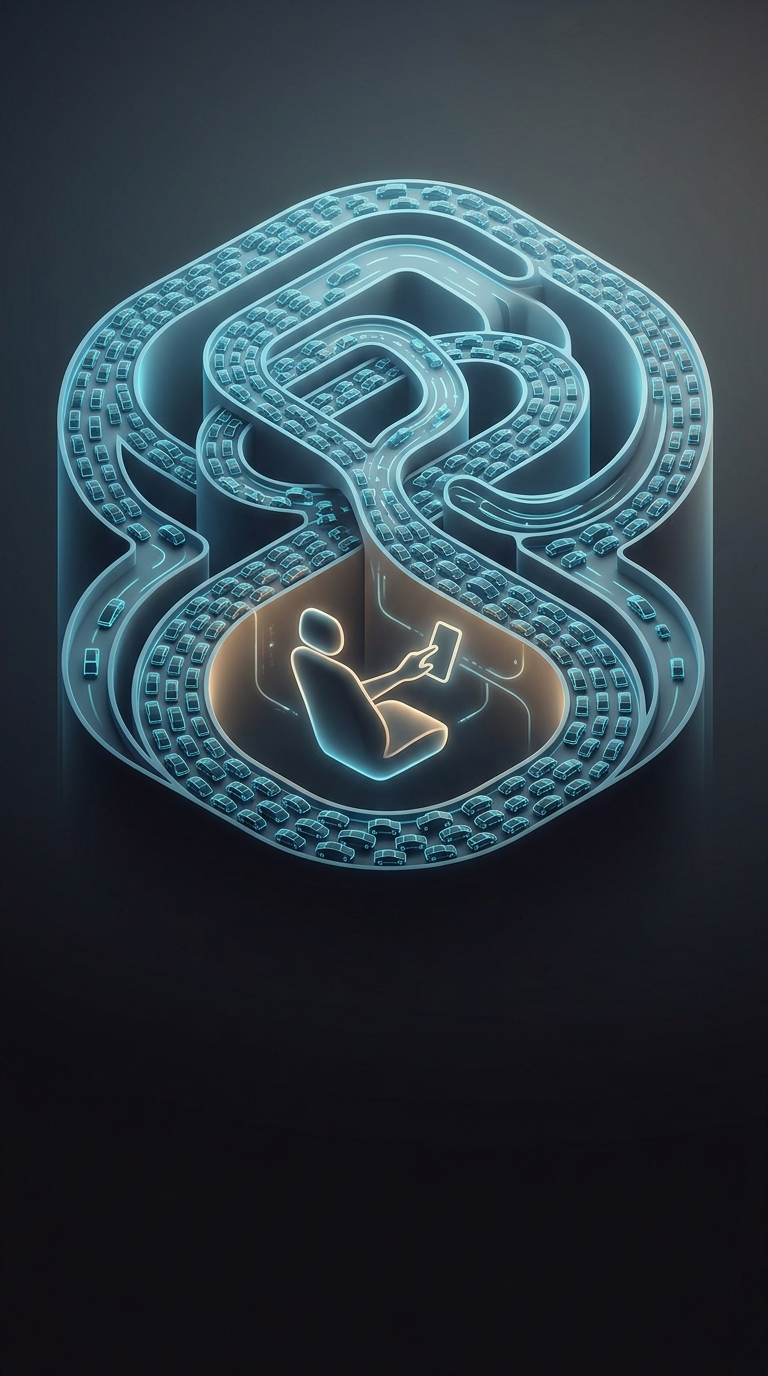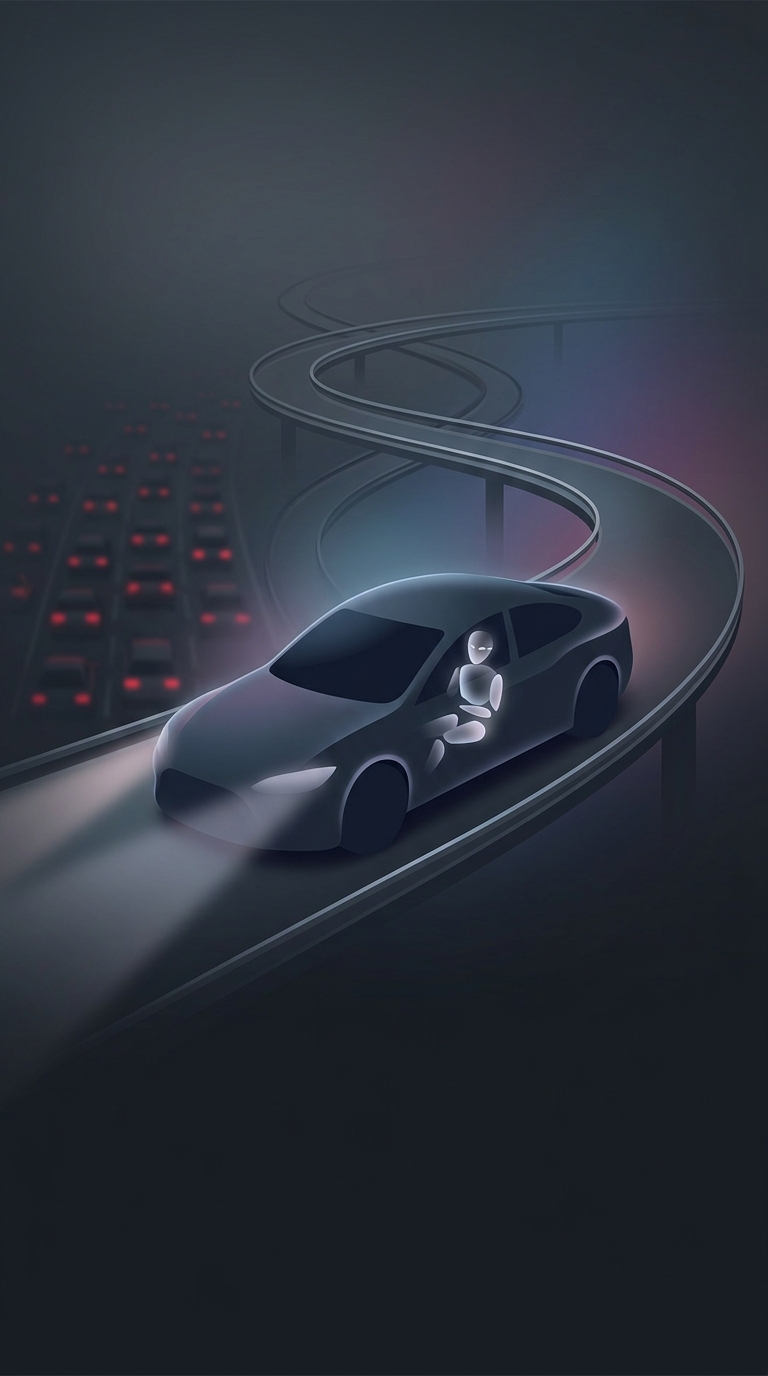
How app-based rides created more traffic, not just more rides
Rideshare apps made it easy to summon a car with a few taps, but they also put more vehicles into busy streets. A passenger’s trip is only part of the traffic a ride can generate: a driver may travel to reach the pickup, then drive away after dropping the passenger off before finding another fare. Those extra stretches are called deadheading—driving without a paying passenger.
The apps also changed how some people made short trips. A ride that might once have been taken by bus, on foot, or not at all could become a door-to-door car trip. In crowded downtowns, adding those trips to already busy roads can slow buses and other vehicles as well as rideshare cars.
The curb became part of the congestion problem
A car stopping to collect or drop off a passenger can briefly block a traffic lane, bike lane, or bus stop. Drivers circling or waiting for riders add more movement to the same limited street space. Each interruption may seem small, but repeated pickups and drop-offs can make busy blocks less efficient.
That is the unintended tradeoff: the app made finding a ride simpler for passengers, while the extra driving and curbside stops could make moving through the city slower for everyone.