Why the Driver Was Often on the Ground
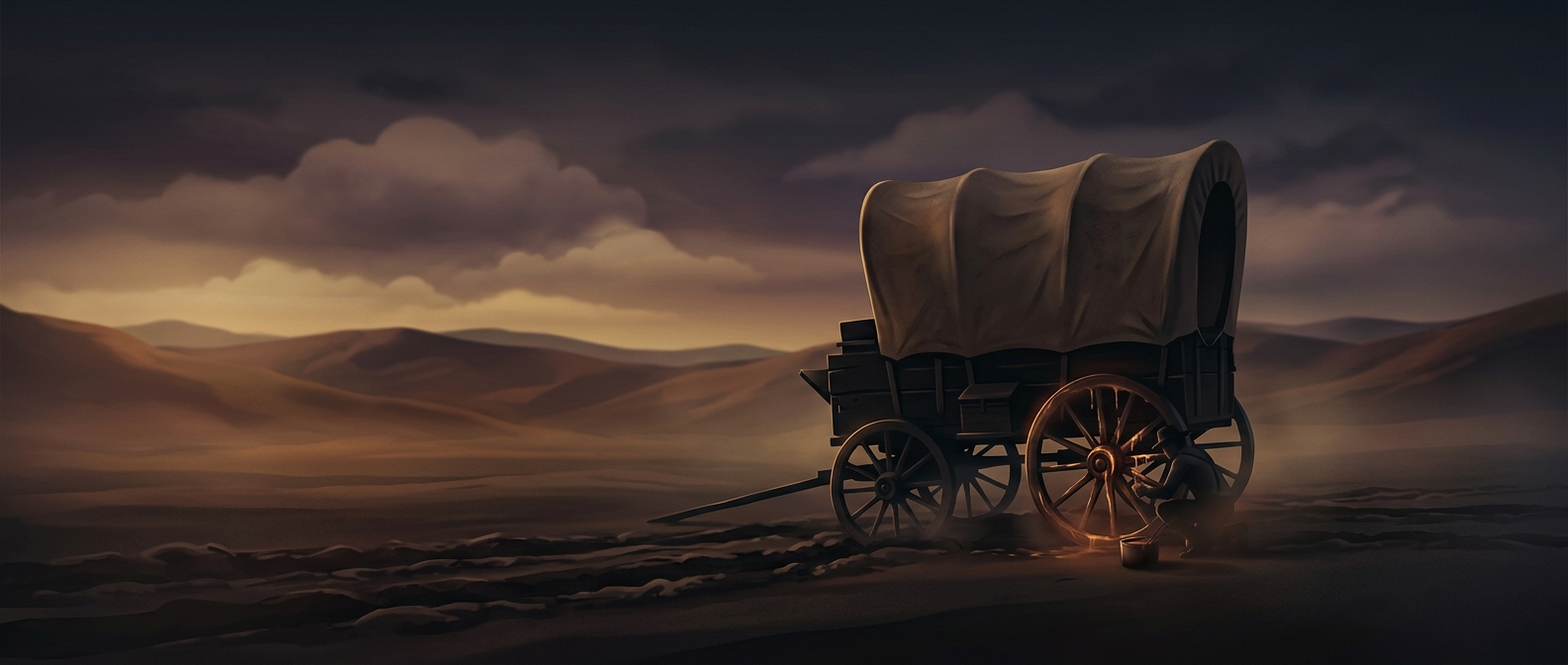
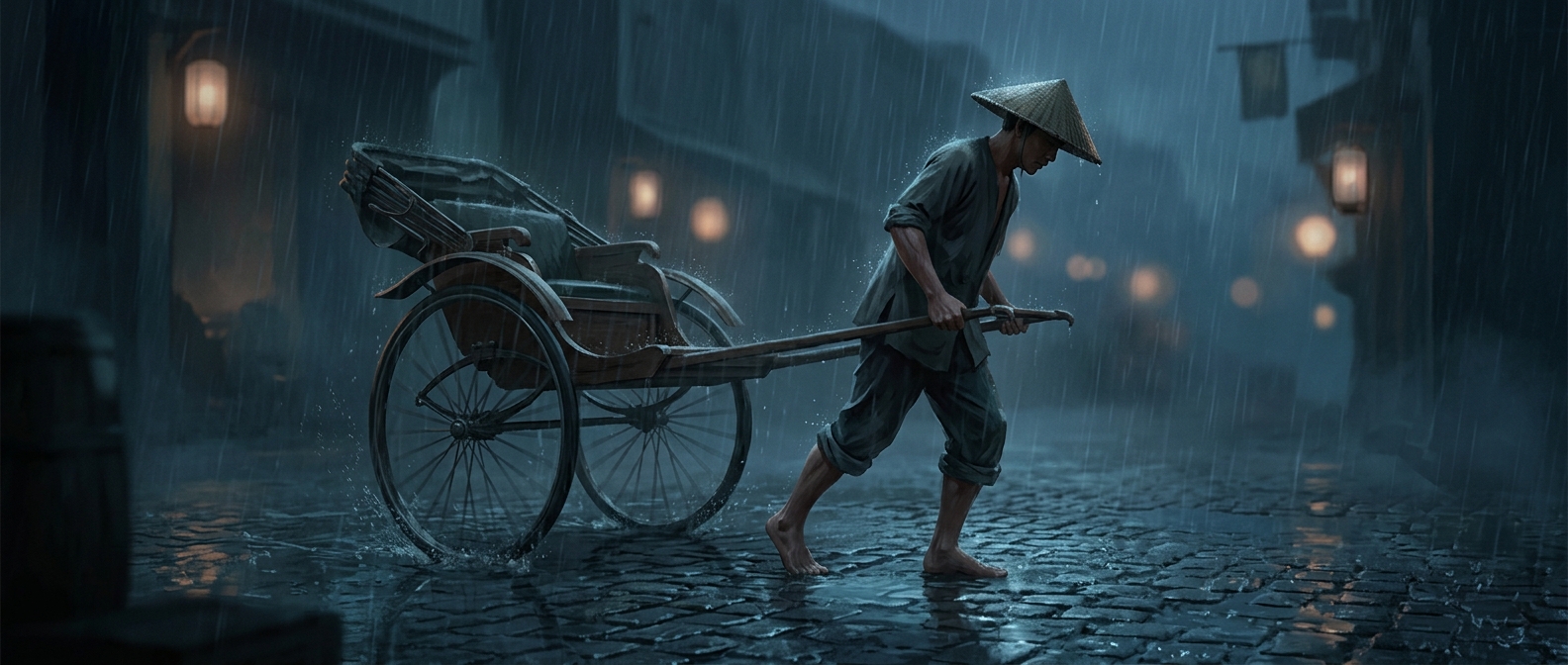
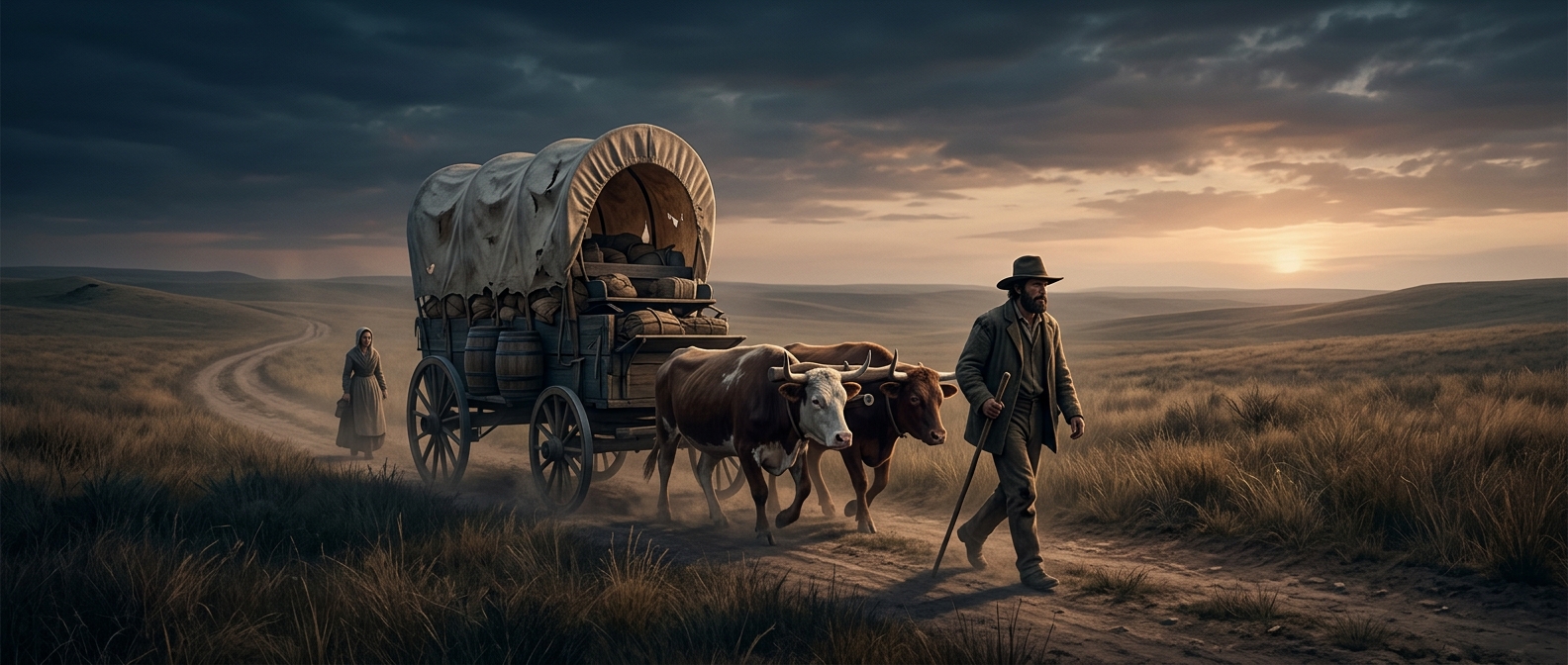
A wagon did not steer like a car. Its draft animals supplied the power, while the person directing them had to manage the team and watch how the wheels met the ground. Walking beside the wagon made it easier to see an approaching rut, rock, or soft patch and guide the animals toward a safer line before the heavy load reached it.
That mattered because a wheel caught in a rut could stop the whole vehicle, and a loaded wagon was difficult to move by hand. The driver’s view from beside the team also made it easier to respond to the animals’ pace and to uneven footing along the route.
A Wagon Carried More Than Its Driver
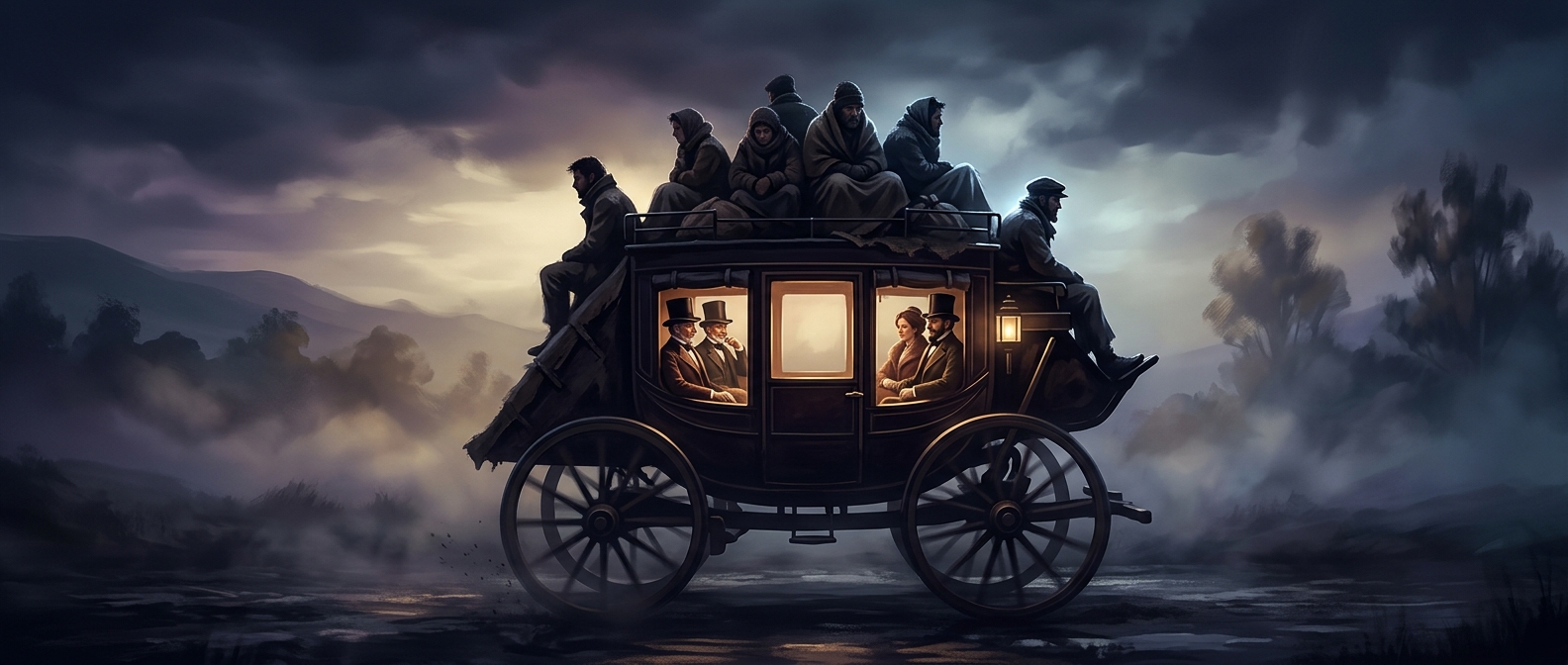
Every person riding took up space and added weight. With passengers and supplies competing for room, walking was a practical way for travelers to leave the wagon available for people or cargo that could not travel on foot. It also avoided making the animals pull unnecessary weight over long stretches.
The result was a journey in which the wagon’s steady, animal-limited pace set the rhythm, but travelers often supplied their own miles. The wagon carried what mattered most; the people walking beside it helped keep that load moving.