How a passport opened the way to the cockpit
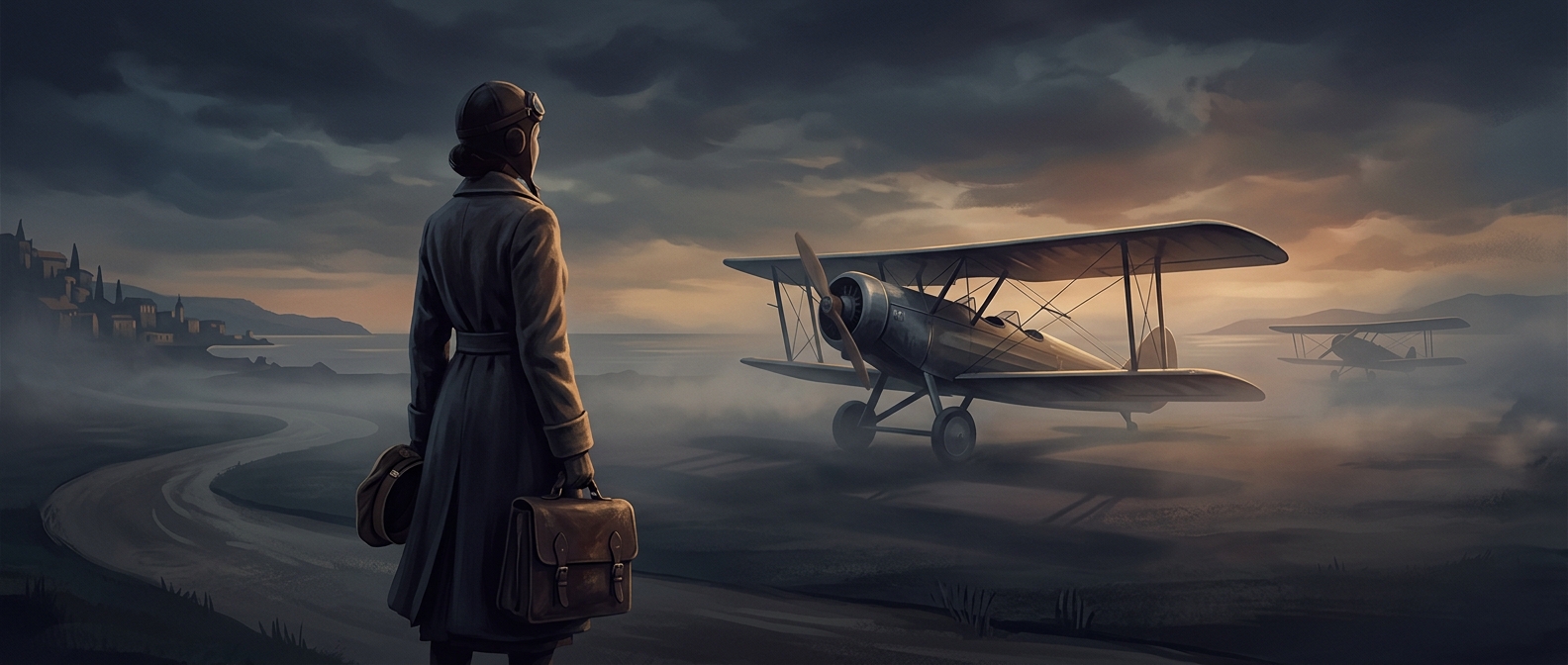
For an aspiring woman pilot, reaching an airport was not enough. She needed a school willing to teach her, an instructor prepared to take her on, and access to the aircraft and practice hours required to learn. Where local institutions barred women or treated them as unsuitable students, those ordinary steps became a gatekeeping system.
Going abroad could bypass that first barrier. In a country where a school accepted women, a student could begin the same demanding progression as other trainees: learning aircraft controls and procedures, practicing with an instructor, and building the skills needed to fly independently. The passport did not make flying easier; it made instruction reachable.
Training solved one problem, not every one
Leaving home brought its own costs. Travel, lodging, and lessons required money and time, and students had to navigate unfamiliar schools and rules. Training elsewhere could also leave a practical question: whether the credential would be recognized at home. The answer depended on the authorities and requirements involved, so learning abroad was not automatically a route to every flying job.
Even so, access to instruction mattered. A woman who earned the chance to train could demonstrate ability in the air rather than accept exclusion as proof that women could not fly. Her path also made the barrier visible: if she had to cross a border to enter a classroom, the obstacle was institutional, not something inherent in flight.