Why horse traffic created a street-cleaning crisis
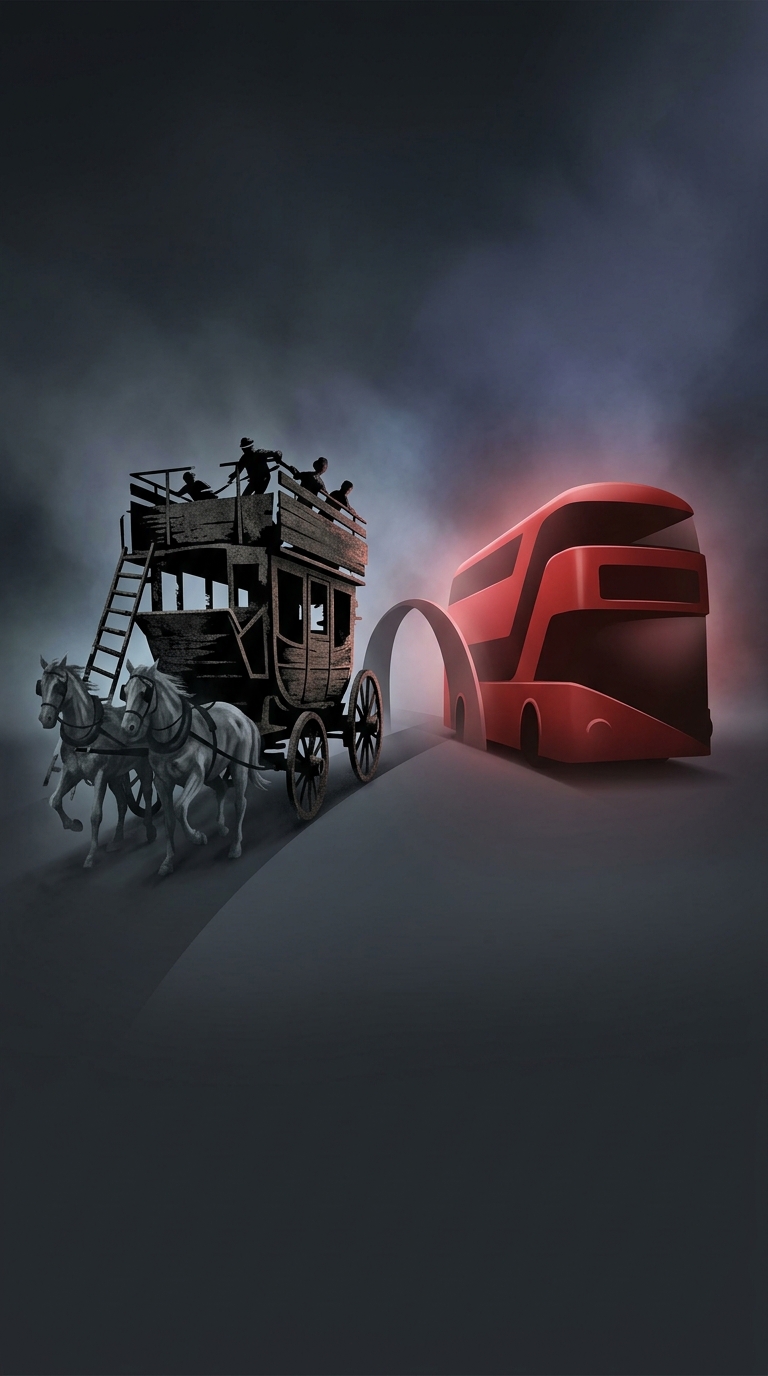
In late-19th-century London, horses were not occasional traffic; they powered much of the city’s daily movement. They pulled cabs, buses, delivery carts, and commercial wagons. Every trip therefore produced waste, and busy streets concentrated it where people, pedestrians, and other vehicles had to pass.
The problem was built into the transport system. A horse needed food and care whether it was moving or standing, while its waste had to be collected from public roads. As traffic grew, cleanup crews faced a stream of new deposits rather than a one-time mess. Horses that died in service also had to be removed, adding a separate burden to a city already struggling to keep its streets usable.
The motorcar changed what accumulated in the road
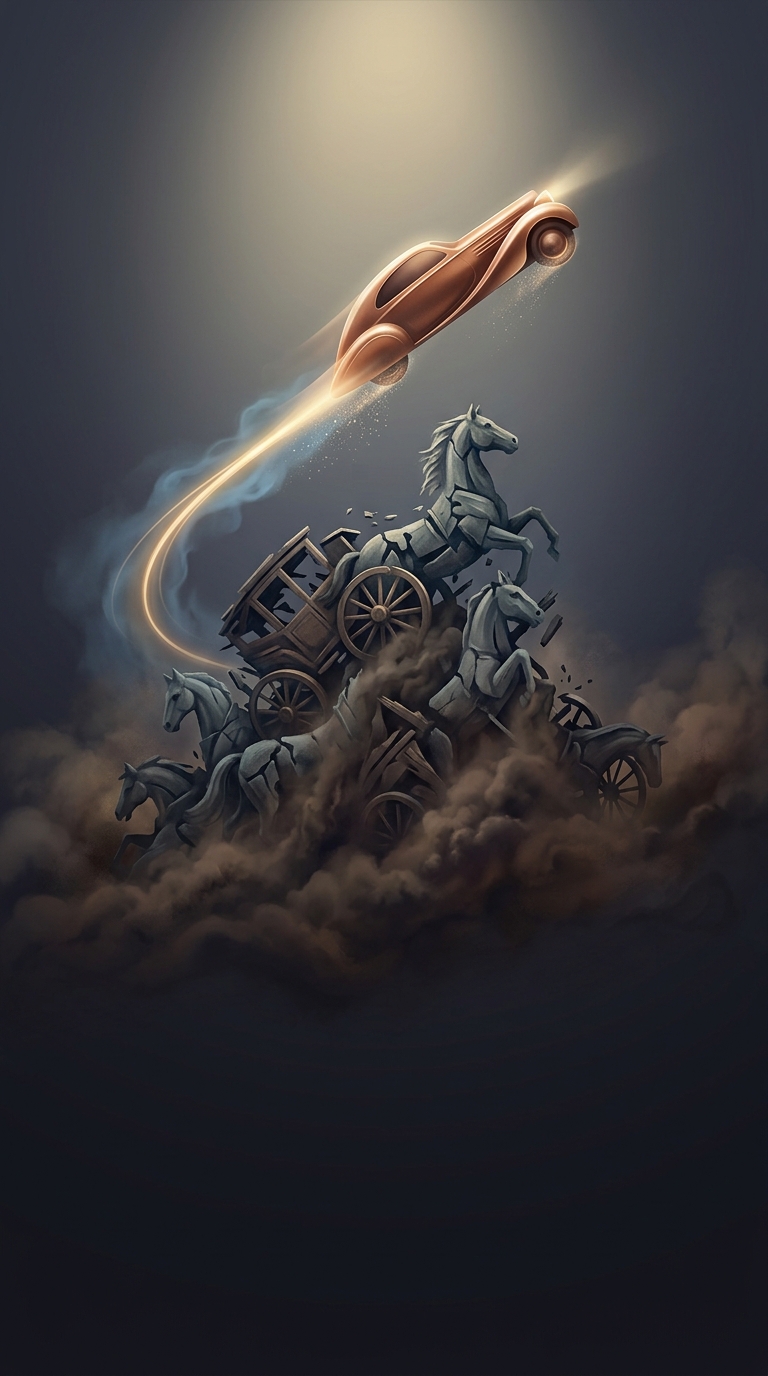
Cars could carry people and goods without leaving manure behind at each stop. That difference mattered especially on crowded routes: replacing horse-drawn vehicles reduced the constant flow of organic waste that street cleaners had to remove. The pressure eased not because London suddenly became less busy, but because a major source of street waste disappeared.
The change did not make transport impact-free. Motor vehicles brought exhaust, noise, and new safety hazards, and they depended on roads and fuel. But those costs were different from the daily accumulation of horse waste. The city’s transport revolution changed the kind of pollution its streets had to manage.
The old prediction turned a visible urban burden into a dramatic forecast. Its lasting point is not that every street was literally on course to become a manure pit; it is that a city’s basic transport technology can create a public problem faster than ordinary cleanup can keep pace.