A closer look
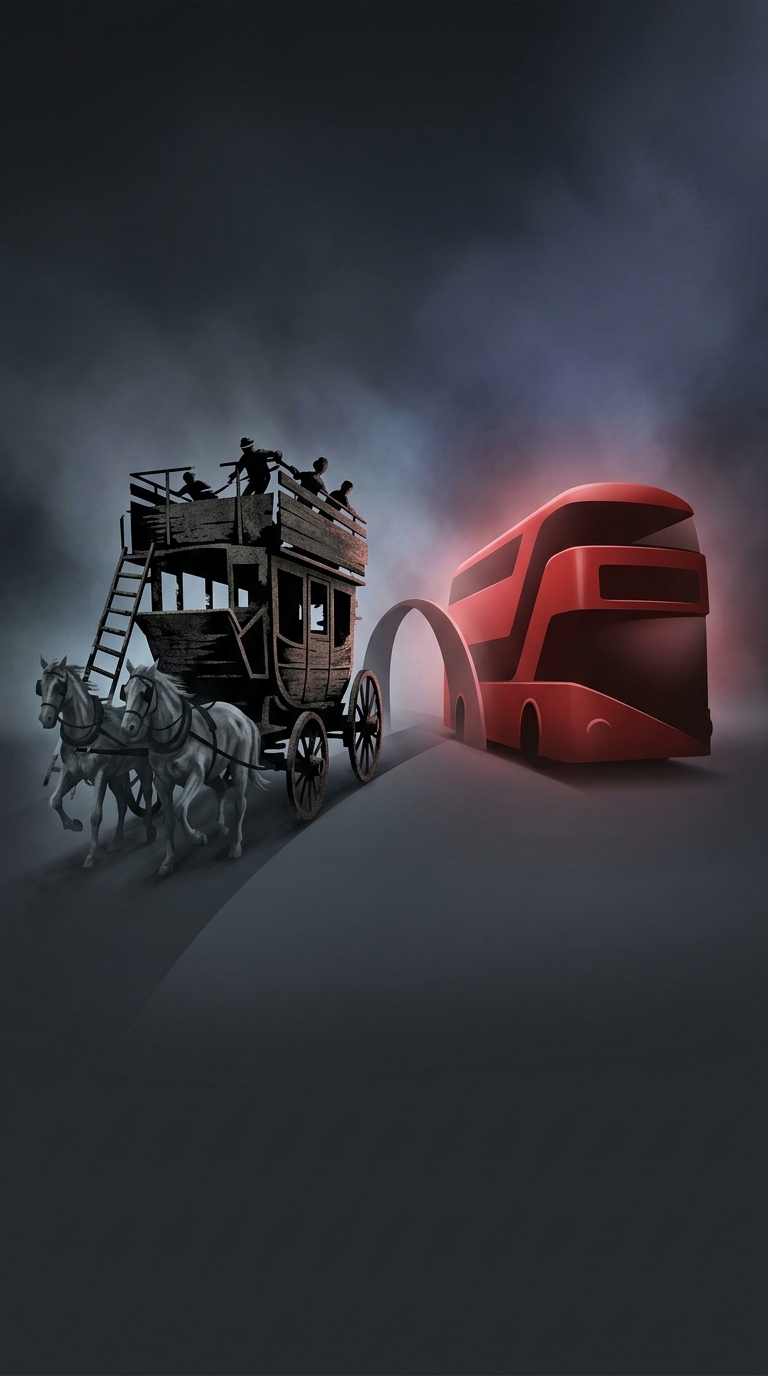
Iconic red double-decker buses in London did not originate with modern combustion engines, but were originally massive wooden carriages violently dragged through the filthy streets by incredibly exhausted horses in the 1800s. To maximize ticket sales without widening the vehicles, transport operators simply slapped a staircase on the back and let brave commuters sit on the completely exposed, dangerously unprotected roof. If it rained, you just got soaked, and if the horses suddenly braked, you had a very high probability of being violently launched directly into a Victorian fruit stand. The transition to motorized buses eventually added a roof, saving countless top-deck passengers from decapitation by low-hanging tree branches and errant telegraph wires. It is comforting to know that prioritizing maximum corporate profit over basic passenger safety is a deeply rooted historical tradition that spans centuries of mass transit development