The fear of being trapped in a wreck
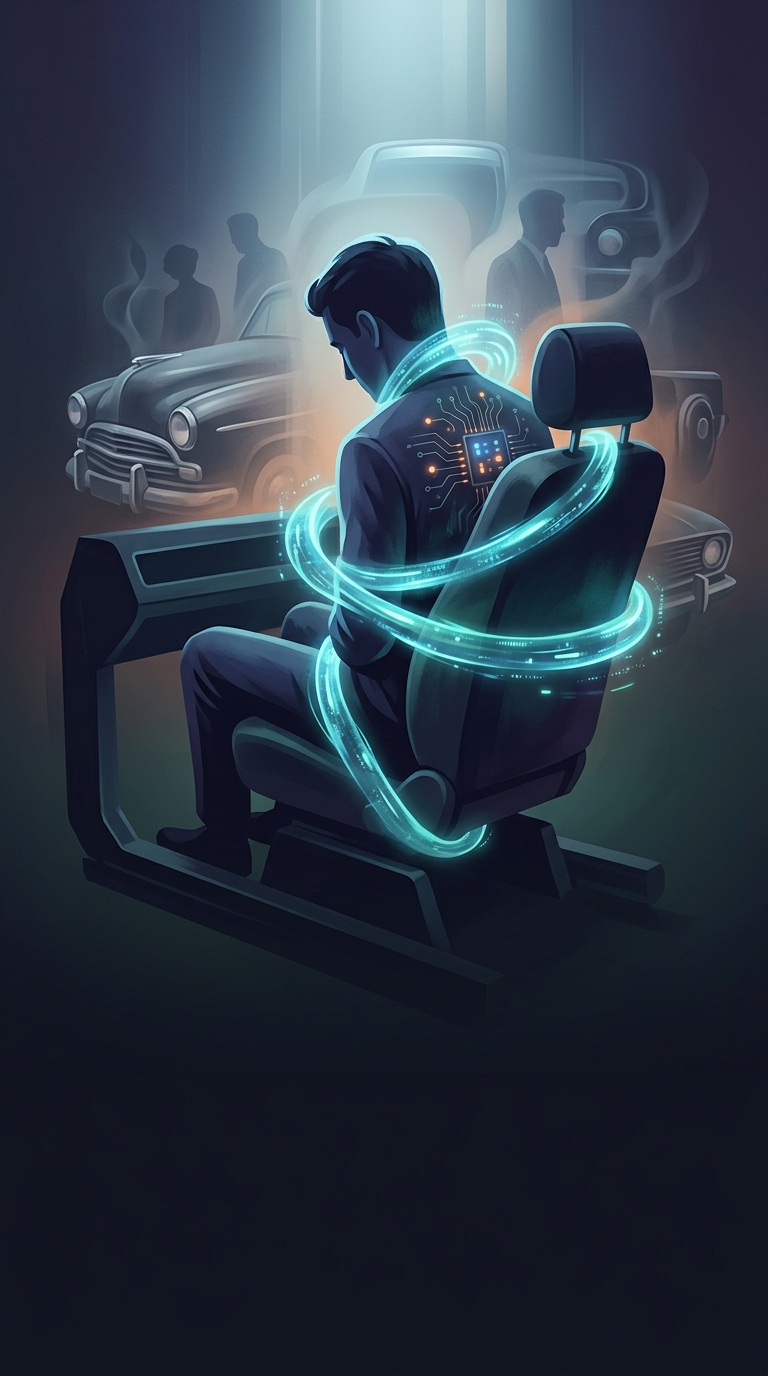
One of the strangest arguments against compulsory seatbelt use was that a belt might trap someone inside a crashed car—especially if it caught fire or plunged into water. In that scenario, critics feared, a driver who could otherwise scramble out would be held in place by the very device meant to protect them.
The worry had a vivid, frightening image behind it: a wrecked car filling with smoke or water while its occupant struggled with a buckle. But it treated the belt as if it were likely to become impossible to release. Ordinary seatbelts use a latch that the wearer can unfasten; in a crash, the more immediate danger is often being thrown against the car’s interior or losing consciousness, which can make any escape harder.
Why the argument resonated
A seatbelt law also changed who got to decide. Before mandates, buckling up was framed as a personal choice; requiring it made a private habit a matter of public rules. The trapped-in-a-car scenario gave that objection a concrete form: the state, critics suggested, was forcing people to accept a device that could create a new danger.
That fear was memorable because it focused on a dramatic possibility, not on what happens in the far more familiar moment of a collision. The unsettling irony is that the imagined escape problem was used to oppose a restraint designed to keep people from being violently thrown around before they could escape at all.