A wagon train left more than tracks
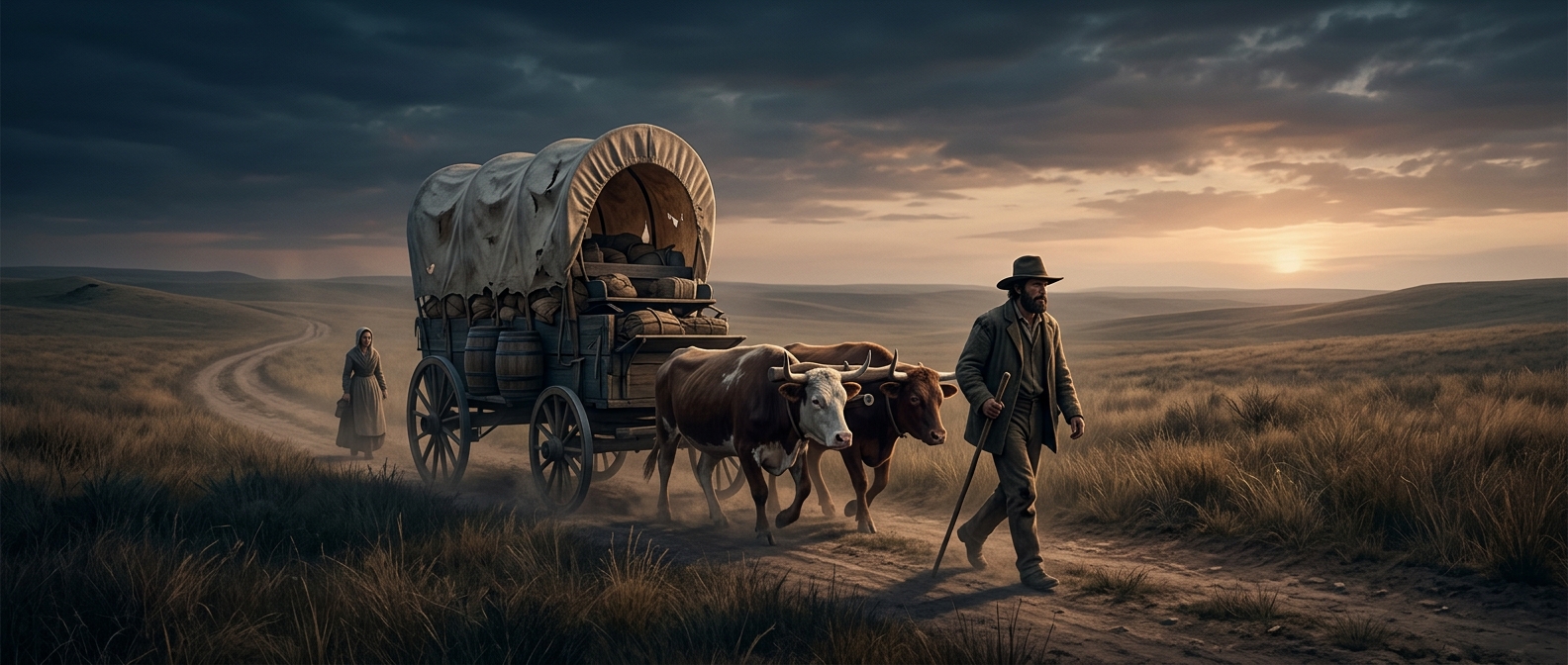
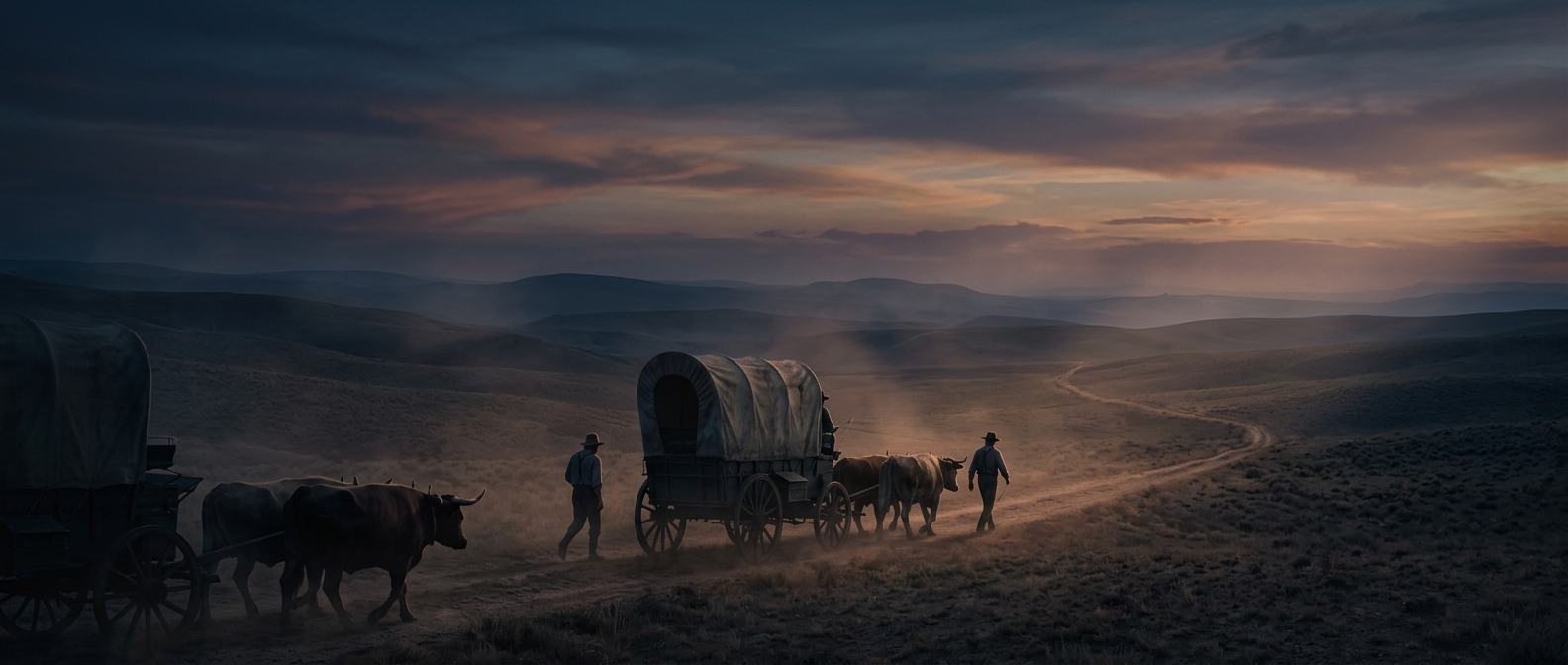
A wagon train moved with a herd of draft animals, often oxen or horses, and those animals stayed close to the wagons on the trail and at camp. Their manure accumulated where people traveled, watered animals, and rested. In warm conditions, waste broke down and released strong-smelling compounds; repeated traffic and crowded camps made the odor hard to escape.
The smell was not simply a passing trace behind each wagon. A slow-moving train could return to the same stopping places, while animals and people spent hours together in close quarters. The result was a distinctive mix of animal waste, dust, cooking, and camp life.
When fuel ran short, the smell went airborne
On treeless stretches, dried animal dung could serve as fuel when wood was scarce. Burning it added a second source of odor: heat carried smelly substances into the air, and smoke spread them beyond the fire itself. Wind could transport that smoky scent across open ground, where there were few buildings or forests to contain it.
That made the wagon train’s odor a consequence of its logistics. The animals supplied the pulling power, but they also supplied waste that could foul the trail—and, once dried, help keep a cooking fire going. A traveler approaching camp might encounter the smell before seeing the wagons.