A raid mechanic became an accidental outbreak
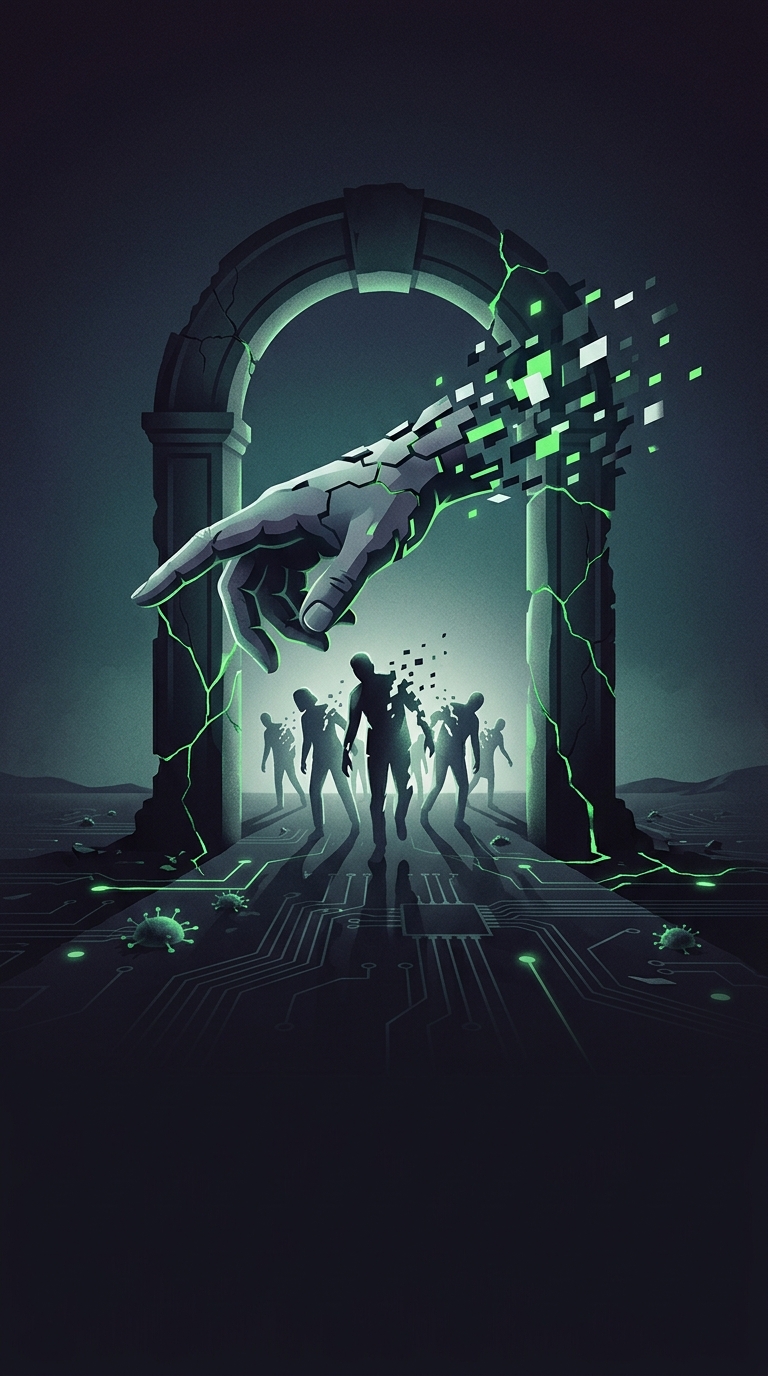
In 2005, the World of Warcraft boss Hakkar could inflict nearby players with Corrupted Blood, a damaging effect meant to spread among characters fighting him. The danger was supposed to stay inside the raid encounter: players would take the infection, pass it to others nearby, and eventually clear it by leaving the fight or being healed.
But infected players—and, in some cases, their pets—could carry the effect out of the raid. Once it reached crowded cities, characters standing close together could catch it, turning a contained game mechanic into a spreading crisis. Players fled, avoided infected areas, tried to help the sick, or deliberately spread the effect. The developers eventually stopped the outbreak by changing the game.
Why epidemiologists paid attention
An epidemic depends on more than a pathogen. It also depends on how people move, gather, respond to danger, and share information. The incident offered a rare, unplanned glimpse of those behaviors in a large virtual population: players made choices for different reasons, and those choices shaped how far the infection traveled.
That made the episode useful to epidemiologists—the scientists who study how diseases spread through populations—as a source of questions about contagion and public response. It showed how quickly an outbreak can change when a boundary fails and infected individuals enter busy shared spaces. It also made visible a feature that mathematical models can miss: people do not all react alike. Some avoid risk; others take risks to help, or create more of it.
A compelling model, with limits
A game is not a miniature real-world society. Characters can respawn, players can log off, and the consequences of infection are not the same as illness or death. The outbreak therefore cannot tell researchers exactly how people would behave during a real epidemic. Its value is narrower and still important: it provides a vivid case for studying how behavior, mobility, and a spreading hazard can interact.
The memorable lesson is not that a video game predicted a pandemic. It is that a virtual world accidentally created the conditions for a public-health puzzle—and players’ unscripted choices became part of the mechanism.