An announcement can come before a game exists in production
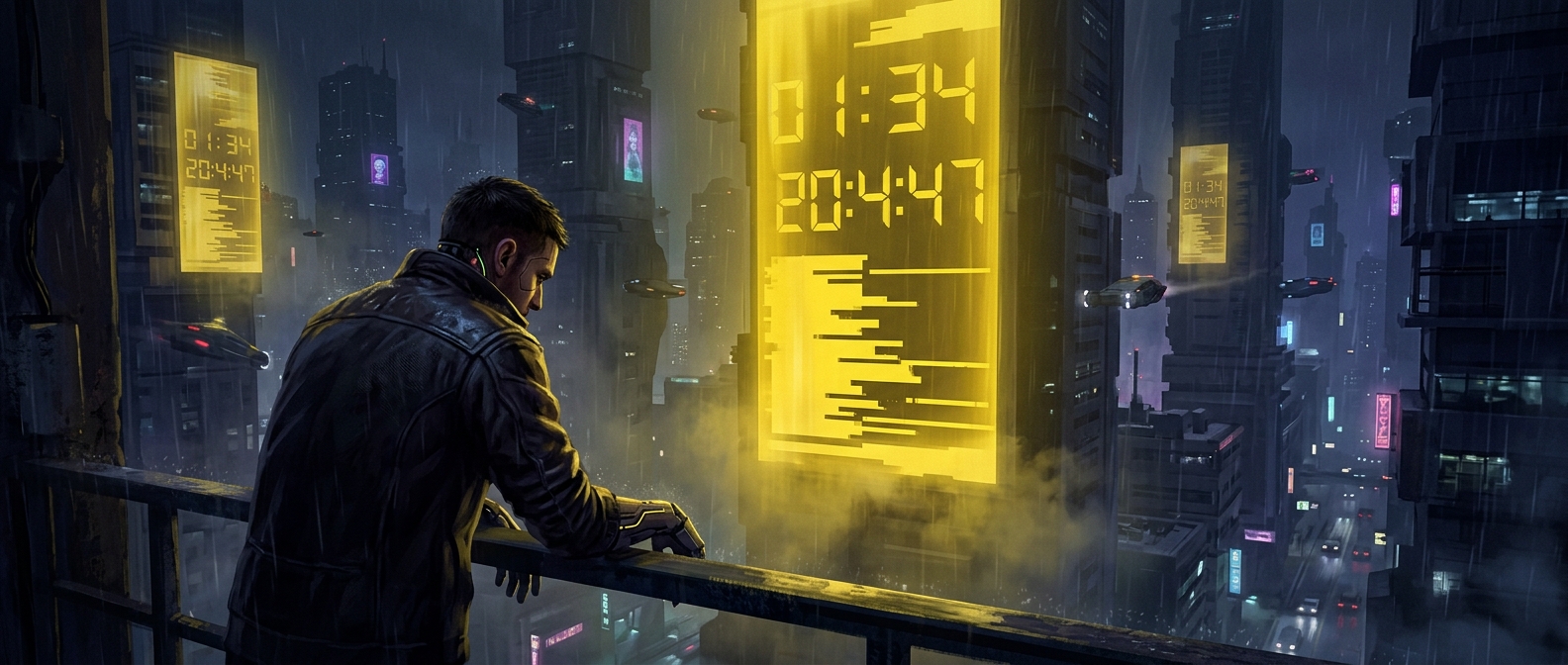
When CD Projekt Red released a Cyberpunk 2077 trailer in 2013, the studio was still concentrating on finishing The Witcher 3. The cyberpunk game had not entered development. That gap illustrates an important distinction: announcing a project is not the same as beginning to build it.
A studio can reveal the idea or identity of a future game while its team is committed elsewhere. The announcement puts the project on the public horizon, but the work of making it playable—designing systems, creating assets, and testing how those pieces fit together—comes later.
What the early trailer could—and couldn’t—show
The 2013 trailer was a cinematic introduction to the game’s premise and atmosphere, not a demonstration of a finished production. A cinematic can establish a visual direction without showing that the world, characters, or gameplay are already functioning inside a game. Viewers may see a coherent scene; behind it, the practical work of turning that vision into an interactive experience may still lie ahead.
That difference matters because trailers invite expectations. An early reveal can make a project feel close simply because it has a polished public image. But a vivid glimpse is not a progress report: it does not tell an audience how much of the game has been built or how long production will take.
The cost of revealing a game early
Once a title is public, it can remain in players’ minds through years of work on other priorities. The announcement creates anticipation before the development process can deliver a playable result, and the original trailer becomes an early reference point for what the game might become.
In this case, the striking detail is the order of events: Cyberpunk 2077 was already announced while the studio’s attention was on completing The Witcher 3. The trailer introduced a future project, not a game that was already being made.