A new island becomes a natural experiment
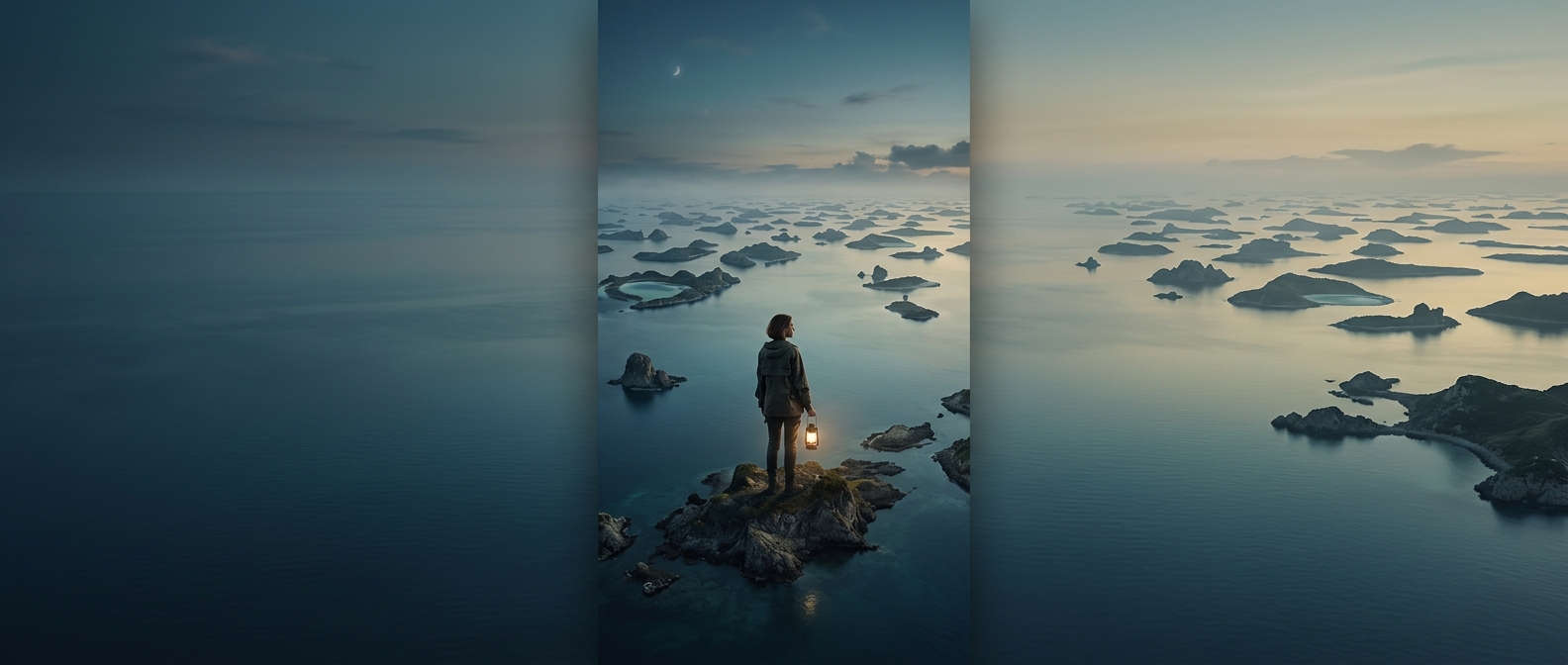
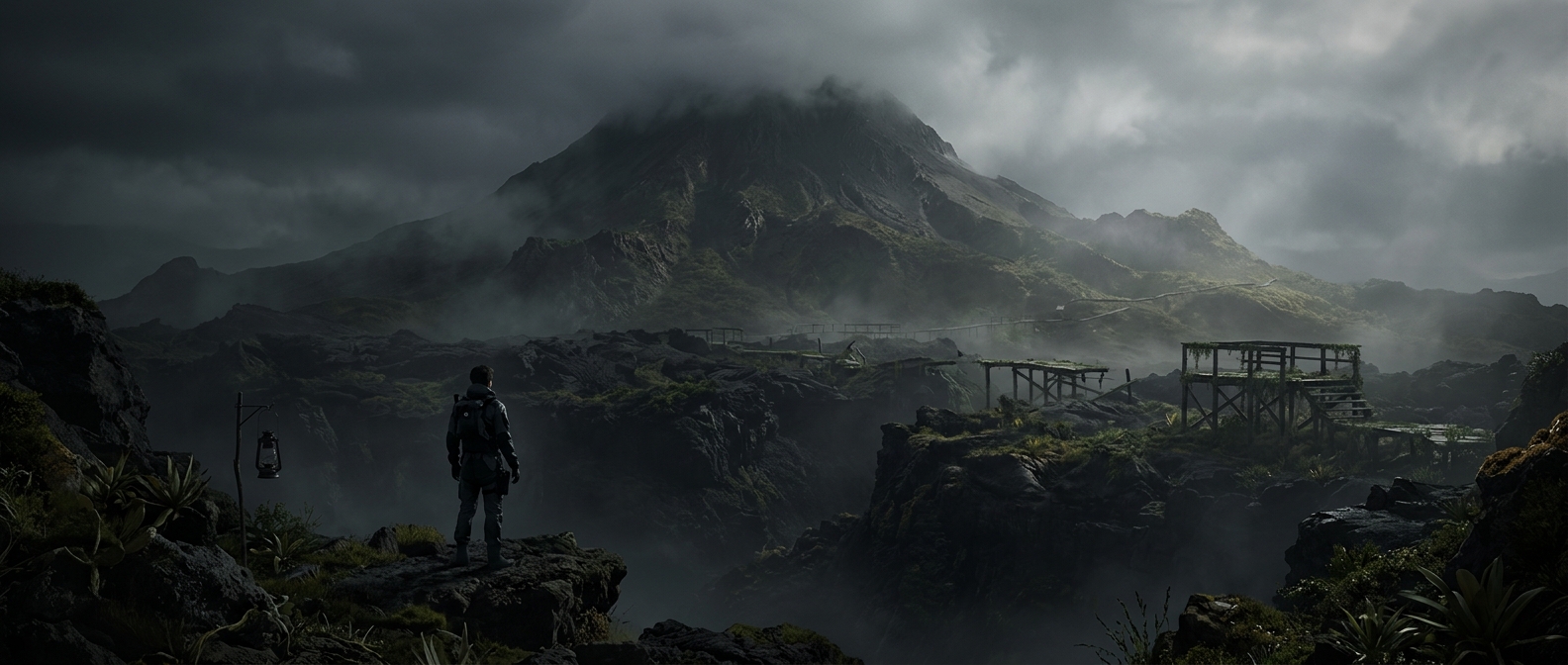
When Surtsey rose above the sea during an underwater eruption in the 1960s, it offered scientists something unusually rare: a place where they could follow the first stages of an ecosystem rather than infer them from traces left behind. Protecting the island from routine human activity helped keep its development as undisturbed as possible.
How life reaches bare rock
At first, Surtsey had no soil, shade, or sheltered habitat. The earliest arrivals had to reach it from elsewhere. Seeds and other biological material could wash ashore on ocean currents; birds brought seeds in their droppings and introduced nutrients that helped plants take hold. Once vegetation began growing, it altered the ground and created food and shelter for more organisms.
That sequence matters: an ecosystem is not simply a collection of species. Each arrival can change the conditions for the next. Plants trap debris and help build soil; birds can both transport seeds and enrich the ground. Over time, these small interactions make a young volcanic surface more hospitable.
Keeping the record intact
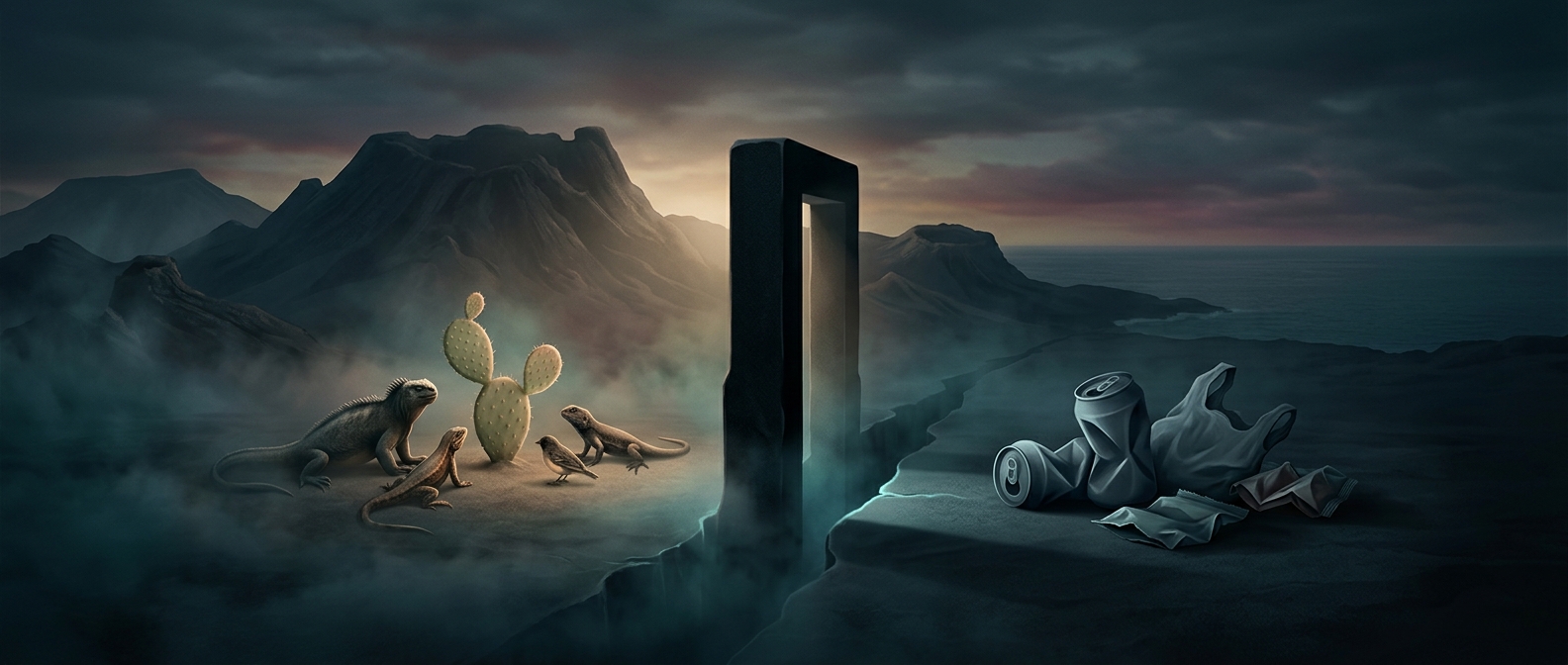
A footprint, a stray seed on clothing, or an introduced insect could blur the line between natural colonization and human delivery. Limiting access therefore protects more than fragile terrain—it helps researchers understand how life spreads and establishes itself when people do not deliberately move it.
Surtsey’s story is still unfolding. Its significance lies in the visible chain from bare volcanic ground to a living landscape, where even a passing bird or a current-borne seed can help set the next stage in motion.