Isolation makes new arrivals matter
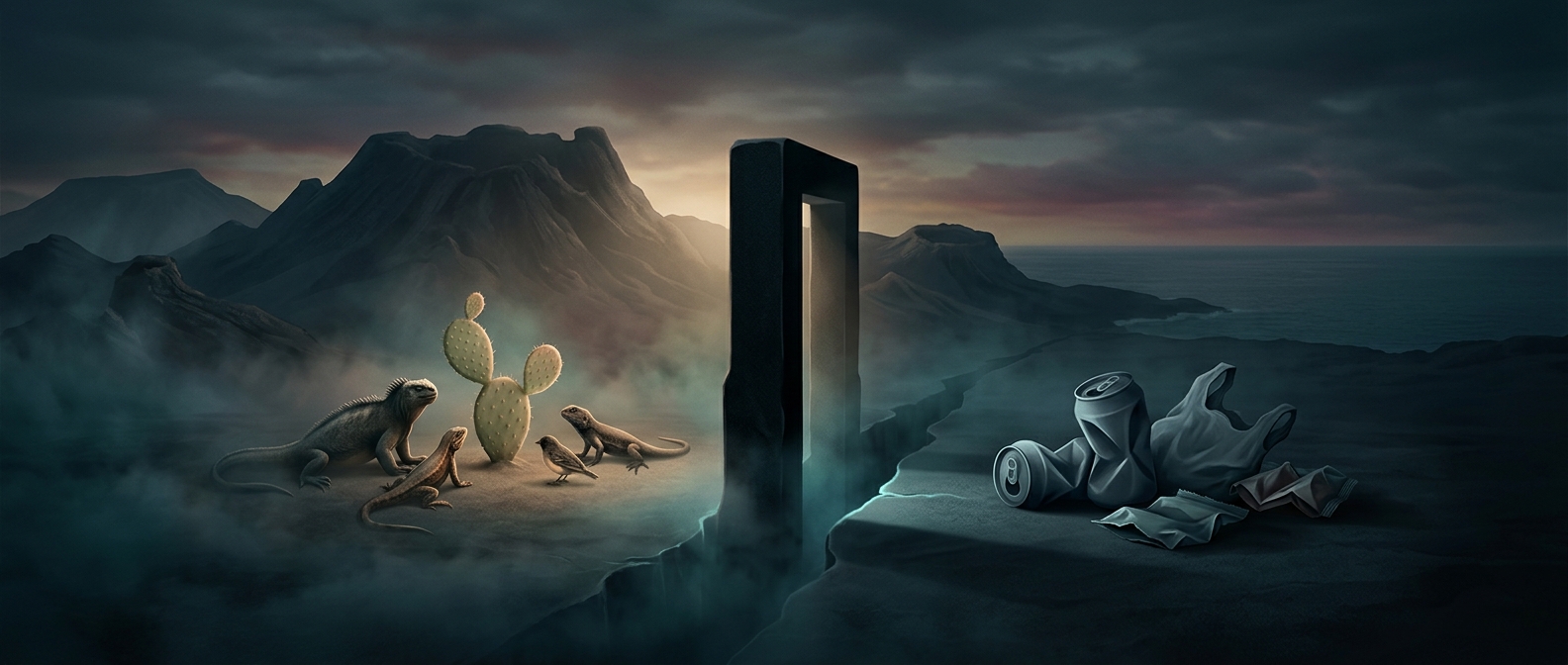
The Galápagos’ wildlife developed on islands separated from mainland ecosystems, where many species encountered a narrower set of predators, competitors, and diseases. That isolation helped produce distinctive plants and animals, but it also means a newcomer can enter a community with few natural checks on it. A plant that spreads quickly, for example, may crowd out native vegetation; an introduced insect may feed on plants that have not evolved defenses against it.
The danger is not limited to an animal or plant deliberately brought in. A seed can be hidden in produce or packaging, and an insect can travel unnoticed with a shipment. If it establishes a population, removing it may be far harder than catching the first few arrivals.
Prevention starts before anything takes root
For that reason, inspection is a form of prevention, not simply a check that travelers have followed a rule. Officials look for possible carriers—such as soil, seeds, or insects—before they can spread from a port or airport into island habitats. The aim is to stop a small, manageable introduction from becoming an ecological problem across several islands.
That caution reflects a difficult tradeoff: residents and visitors need supplies, but every shipment creates another route by which organisms can arrive. The most consequential intervention may happen before anyone sees a new species in the wild: a risky item is intercepted while it is still just one potential introduction.