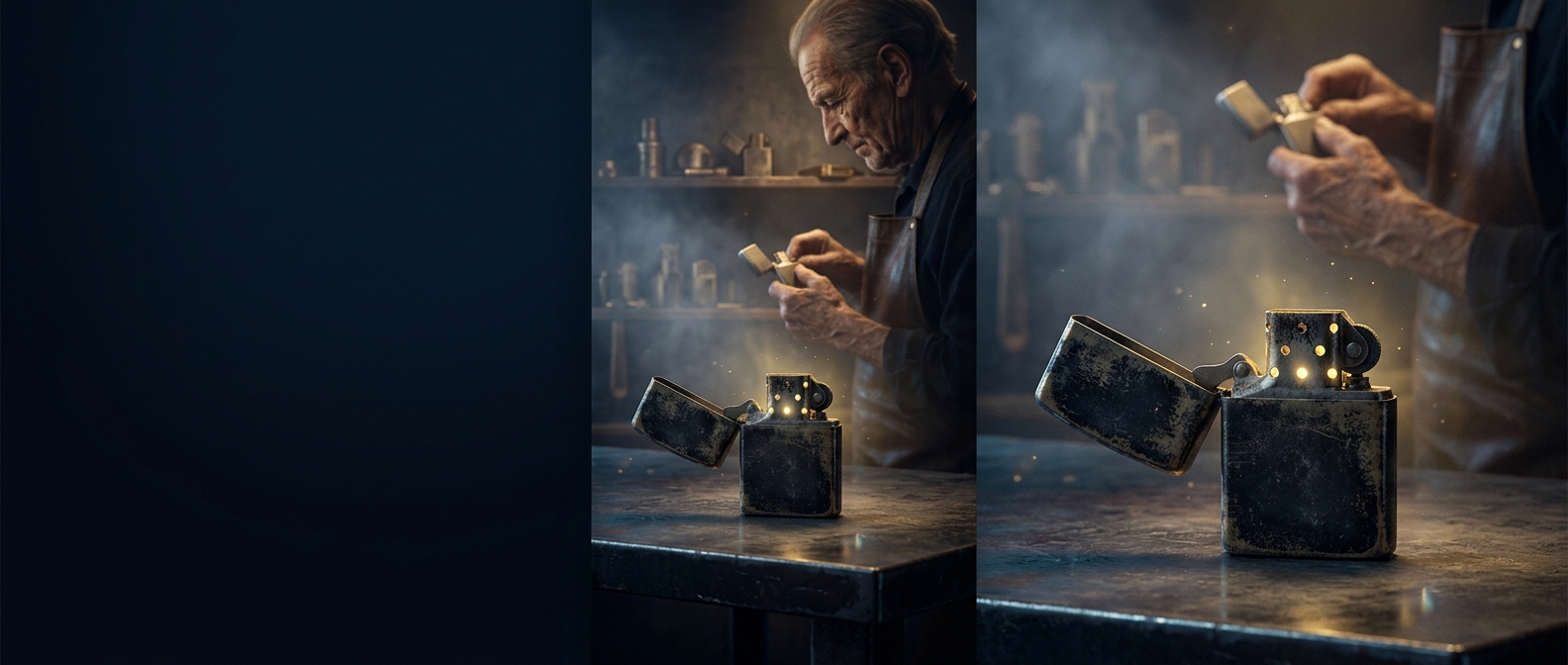
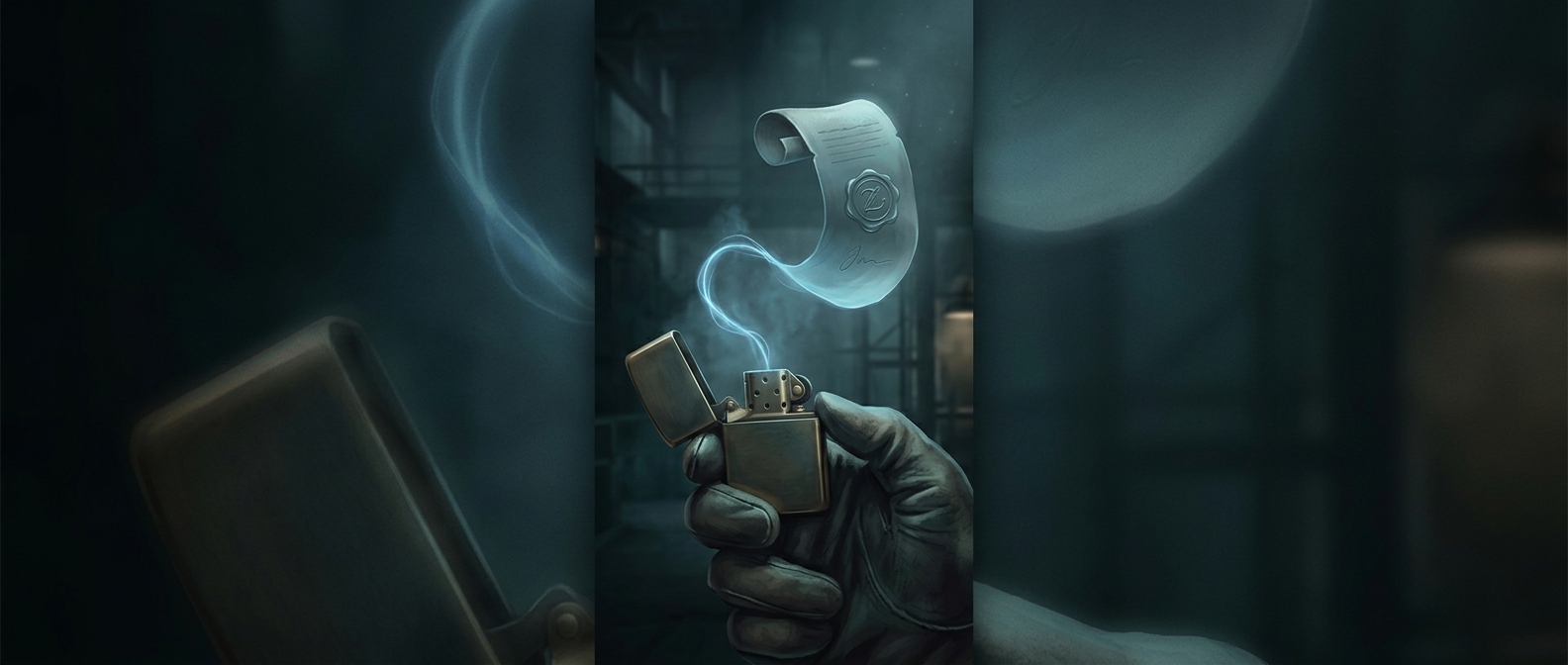
The product can come before the celebrity
A celebrity-branded product may begin not in a star’s kitchen or workshop, but inside a company built to develop consumer goods. These firms—often called brand incubators—identify a product category, shape a sellable offering, and arrange the practical work of getting it made and packaged. The celebrity’s role can come later: lend a name and public image that help the product stand out.
That division of labor matters. Developing a product and building an audience for it are different jobs. An incubator can handle the first; a celebrity can supply instant recognition and a connection to fans.
Turning attention into a business
The incubator’s calculation is that an existing audience may make a new label easier to notice than an unfamiliar one. The celebrity, in turn, can enter a product market without personally building a manufacturing operation. The company and the star may share in the business’s returns under their agreement, though the exact arrangement varies.
In this model, a famous name is not proof that its owner invented, produced, or personally selected every detail of the goods. It is part of the product’s branding—the signal that helps shoppers connect an ordinary purchase with a person they already recognize.
The name is an asset, not a factory
This approach lowers the barrier to launching a celebrity-branded line, but it also makes the partnership important: the product has to satisfy customers after the initial curiosity fades. The star can bring the audience; the incubator supplies much of the machinery that turns attention into a product on a shelf.