The conversation has already been shaped
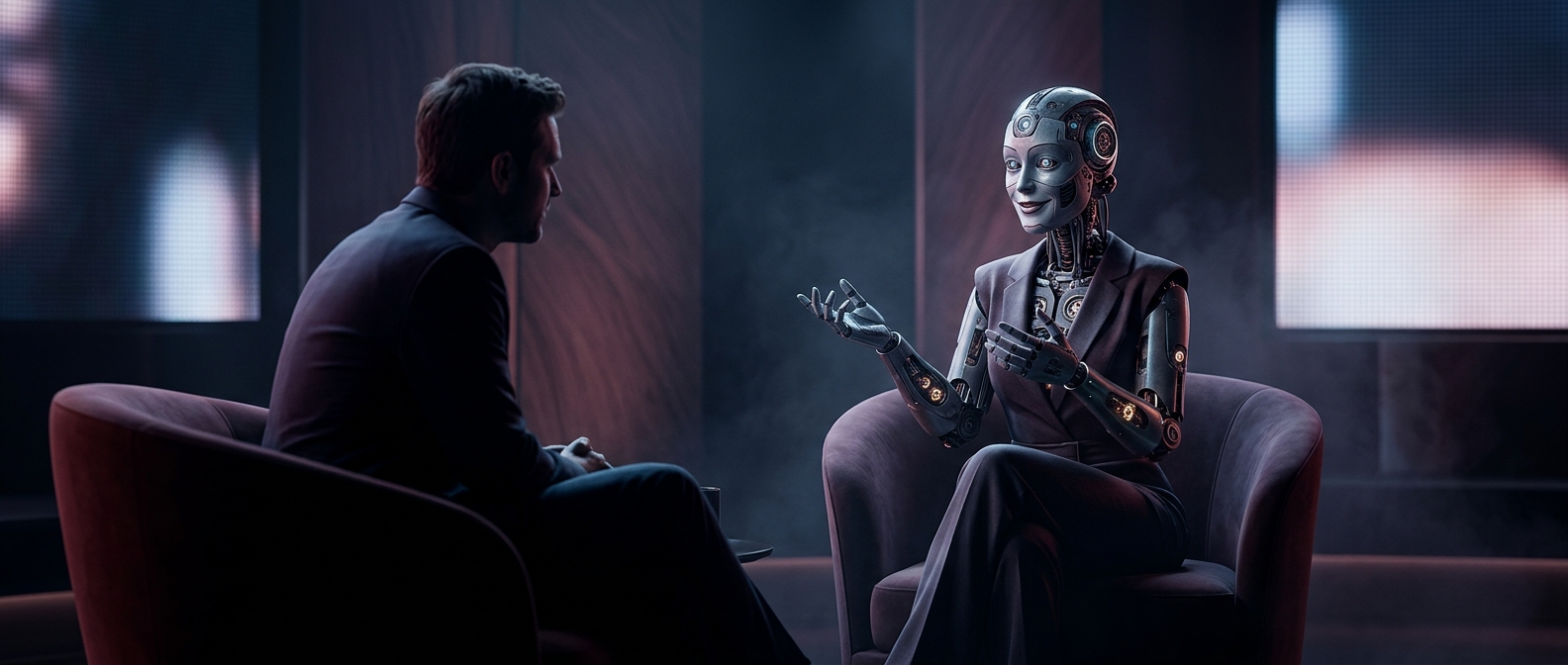
A talk-show guest may appear to remember a funny everyday moment on the spot, but the story can be selected and refined before the cameras roll. In a pre-interview, a producer or writer talks with the guest or their representative to find anecdotes that are clear, entertaining, and suitable for the segment. A grocery-store mishap has an advantage: it is easy to picture, quick to tell, and unlikely to require much explanation.
That preparation is not necessarily a word-for-word script. It can mean identifying the story, deciding where the funny turn comes, and making sure the guest can tell it within the time available. The host may also receive notes or suggested questions, so the exchange has planned openings even when the answers sound conversational.
Why the polished story can feel strange
A casual anecdote among friends can wander, include irrelevant details, or fall flat. On a show, the same story has to reach its point quickly and leave room for the host to react. The guest is also there to draw attention to a film, album, or other project, so the story must fit beside that promotional purpose without feeling like an advertisement.
The result is a carefully bounded kind of spontaneity: the topic and its shape may be known in advance, while the precise delivery and reactions happen in the moment. Viewers can sense the boundary when a story sounds unusually tidy, or when the host’s question seems designed to lead directly to a punchline. What feels unnatural may be less a fake moment than a real conversation edited in advance for time, clarity, and promotion.