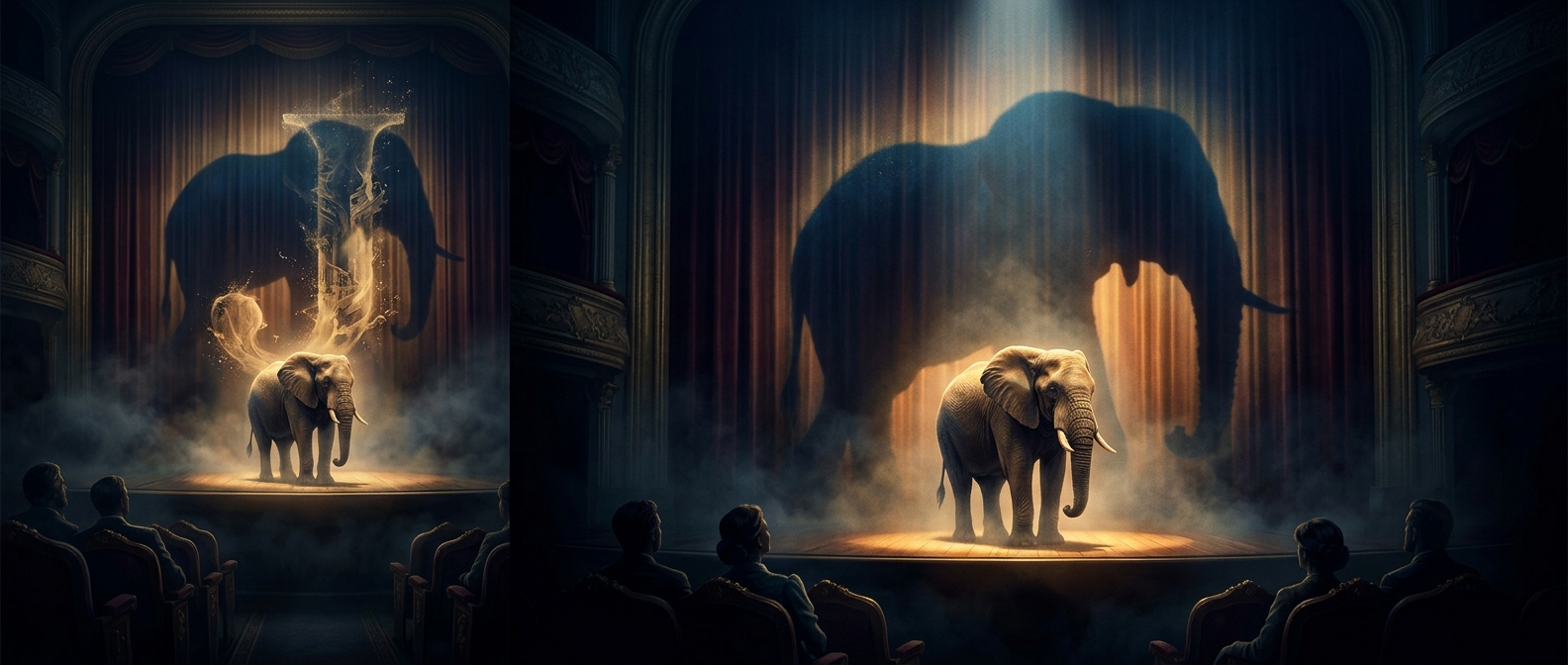
An animal changes the timing of a live show
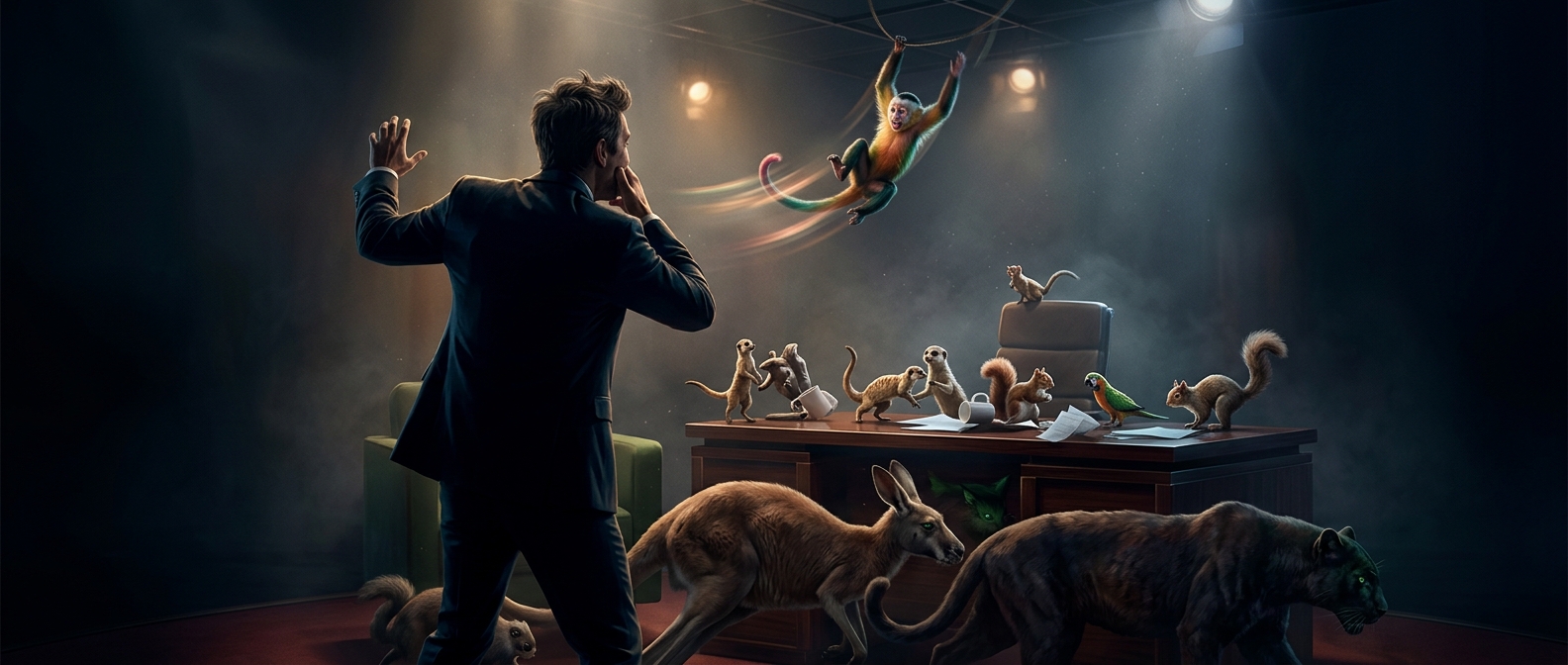
A late-night segment usually runs on cues: the host asks a question, a guest delivers a prepared answer, and the band or audience supplies the next beat. An animal unsettles that sequence. It may pause, turn away, or respond to a sound when no one expects it, leaving the host to react in real time rather than simply deliver the next line.
That uncertainty creates a small but compelling question for viewers: What will the animal do next? Even a quiet moment can feel charged because the audience knows the scene is not entirely under the performers’ control. The host’s attempts to keep the conversation moving become part of the entertainment, and a genuine reaction can feel fresher than a rehearsed punchline.
The surprise needs a plan behind it
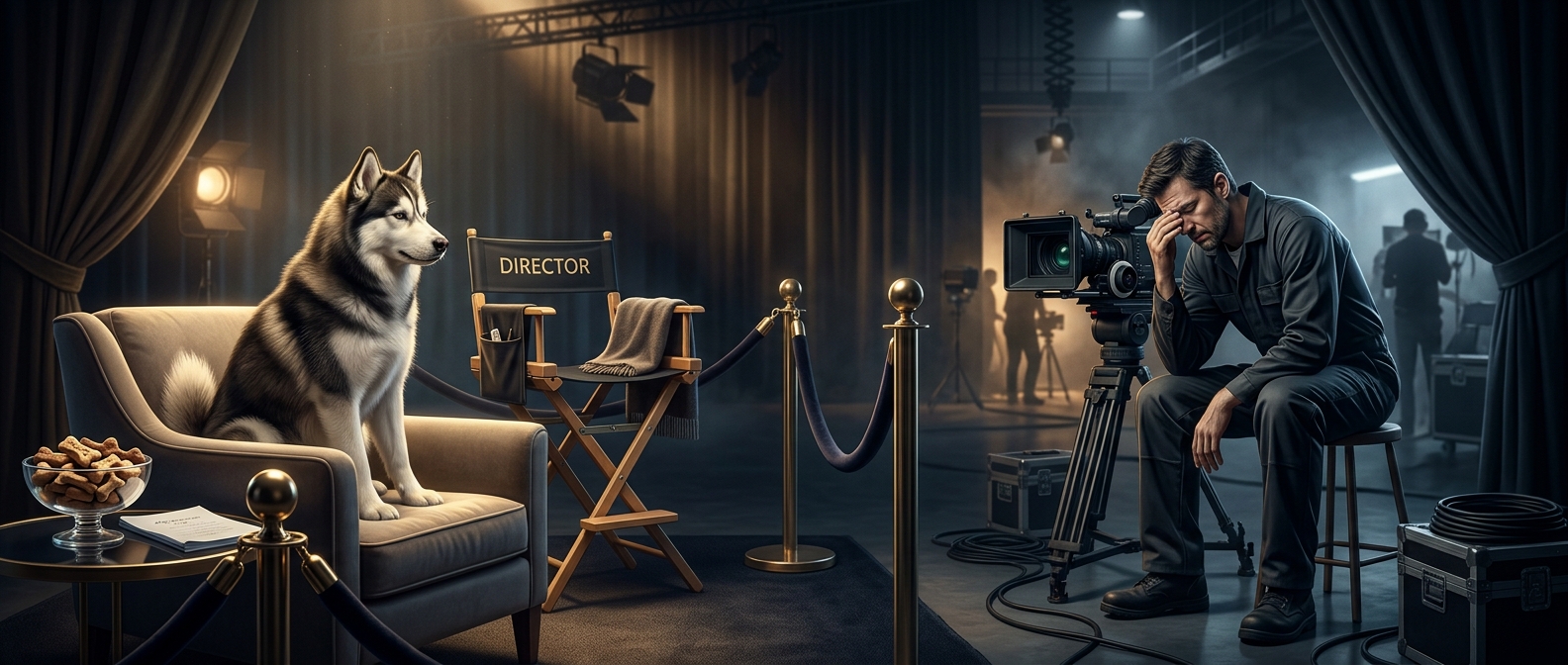
“Unscripted” does not mean unprepared. Producers still have to fit the animal into the studio’s lights, noise, camera positions, and tight segment length. A handler can guide and monitor it, while the host and crew leave room for the animal to behave at its own pace. That balance matters: too much control drains away the spontaneity; too little can make the segment difficult to film or uncomfortable for the animal.
The format also gives the show a different kind of guest. An animal does not need to be witty or promote a project; its presence alone changes the room’s rhythm. The memorable part may be a brief detour from the planned interview—precisely the kind of moment a tightly timed live show cannot manufacture on cue.