The fear that a song could cause a crash
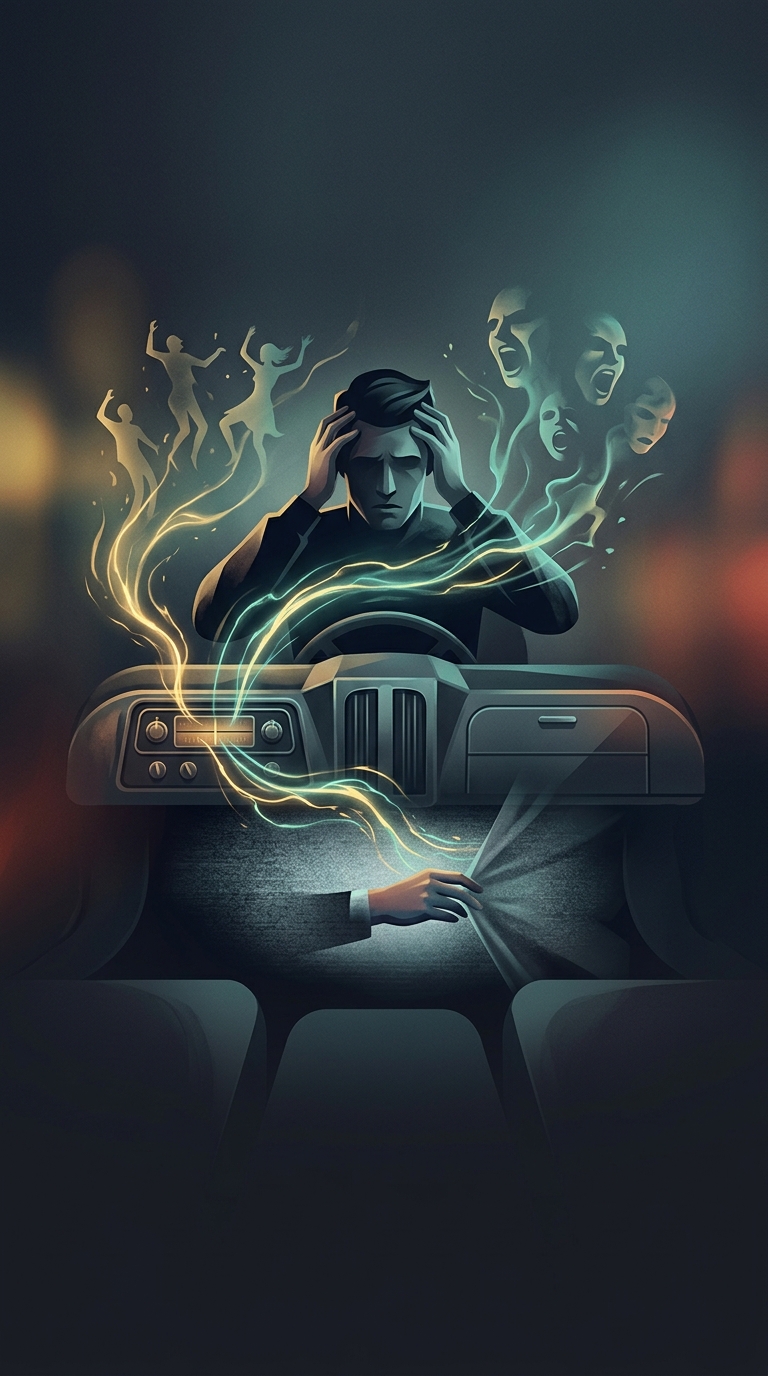
The panic was that car radios would distract drivers so badly they would cause traffic accidents. As radios moved from living rooms into automobiles in the 1930s, critics treated the new combination of driving and entertainment as a public-safety threat. A driver might turn to adjust the set, lose focus while following a program, or fail to notice a warning signal over the sound.
That concern prompted proposals to restrict or ban car radios in some places. It was not a single nationwide effort to outlaw them, but the idea that government might prohibit the devices reflected a real unease about how quickly a new technology could change ordinary behavior on the road.
Why the argument had traction
Driving then already demanded attention amid growing traffic, and a radio introduced a competing sound—and a reason to reach for the dashboard controls. The risk was not that radio waves somehow affected a car’s steering; it was the familiar human problem of dividing attention. A radio could also mask horns or other sounds a driver might use to judge what was happening nearby.
The debate hinged on a tradeoff: the same device that made a drive more enjoyable could draw attention away from the road. But a proposed restriction was not proof that radios had been shown to cause a wave of crashes. The safety case was difficult to separate from broader suspicion of a technology that was new, conspicuous, and increasingly common.
The lasting change
The proposed bans did not stop car radios from becoming a routine feature of driving. Instead, the controversy left an enduring question for each new in-car distraction: when does convenience become a safety risk, and who should decide? The 1930s argument began with a dashboard radio, but its underlying conflict persists whenever drivers are asked to divide their attention.