A voice appeared inside a local news broadcast
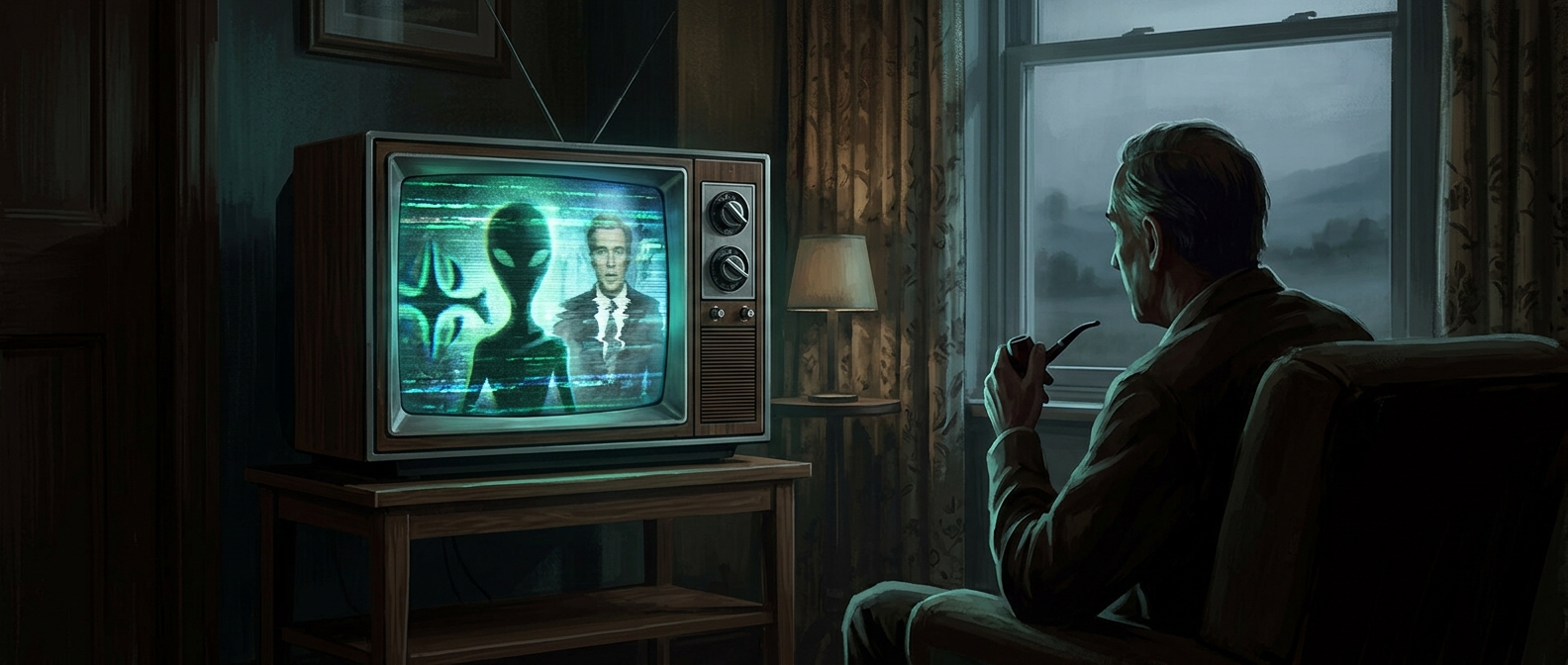
On November 26, 1977, viewers watching Southern Television in parts of southern England heard a voice claim to be “Vrillon,” speaking for the Ashtar Galactic Command. The message urged people to give up weapons and warned of disaster if they did not. It lasted about six minutes, interrupting the station’s regular audio during a news program.
The interruption was startling partly because it arrived through an ordinary television set, not a radio or a specially tuned broadcast. The voice sounded formal and deliberate, giving the prank the shape of an official announcement. But the name and cosmic identity were claims made by the speaker, not evidence of an actual extraterrestrial transmission.
How a broadcast could be interrupted
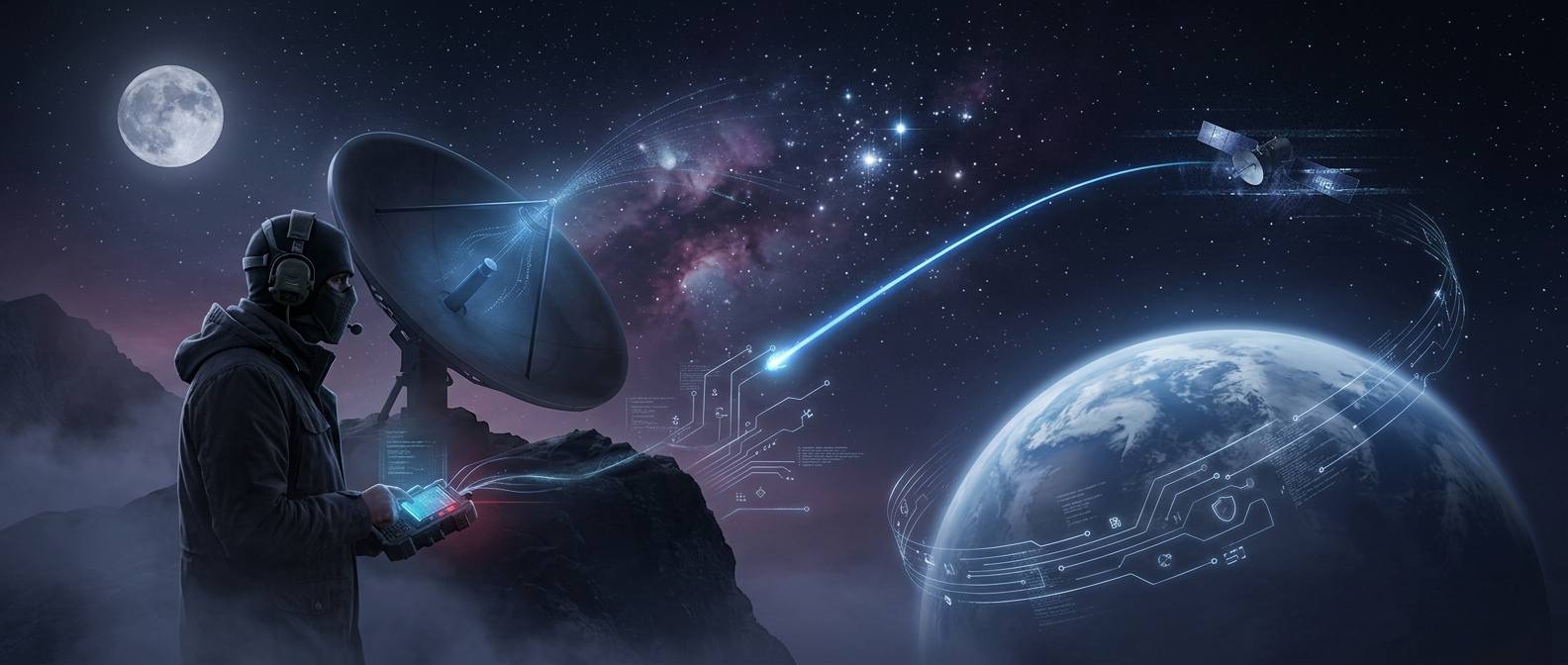
Regional television reached viewers through transmitters that relayed a station’s programs over the air. In that system, a sufficiently strong competing signal could interfere with what receivers picked up. If it affected the sound portion of the transmission, viewers might hear an intruding voice while the program’s picture continued—or appeared largely undisturbed.
That is different from breaking into the studio and taking control of the broadcast. The precise method used in this incident was never established publicly, and the person responsible was not identified. The Independent Broadcasting Authority, which oversaw commercial television, investigated the interruption but did not produce a confirmed culprit.
The uncertainty became part of the story
The prank exploited a gap between what viewers could hear and what broadcasters could readily explain. A message delivered in the voice of an authority could feel official, while the local nature of the interruption made it seem as if someone had reached directly into a household’s set.
Its lasting strangeness comes from that combination: a grand warning from space, delivered through the vulnerable plumbing of regional television. The signal lasted minutes; the question of who sent it has lasted far longer.