A weapon changed the tone of the chase
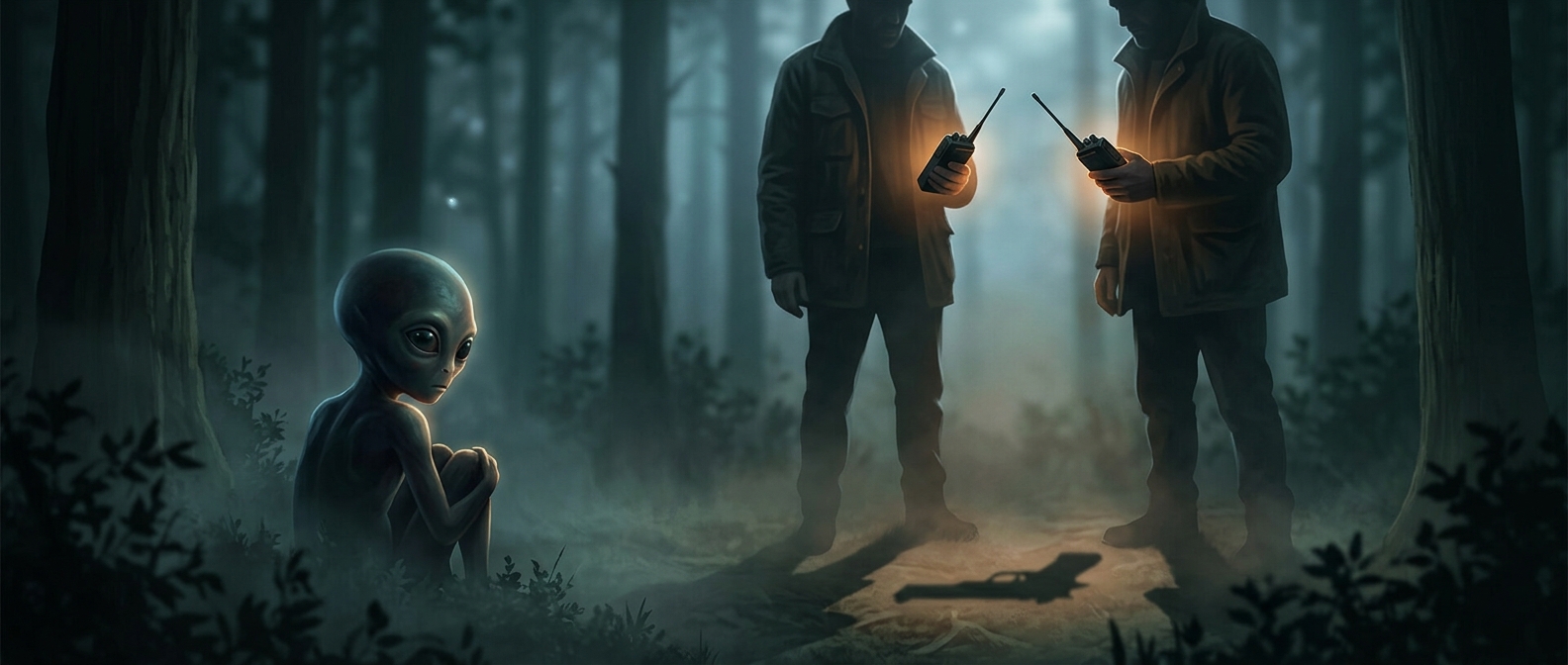
In E.T., federal agents pursue Elliott and his friends as they flee with the alien. In the film’s original version, some agents carry shotguns. For the 20th-anniversary rerelease, director Steven Spielberg had those weapons digitally replaced with walkie-talkies, changing the scene’s visual signal: the adults still chase the children, but they appear less armed and immediately dangerous.
What digital editing made possible
The swap was not a simple cut. A shotgun can cross in front of a body, shift as an actor moves, and cast shadows; a replacement has to fit those changing details. Digital artists could alter the image frame by frame, removing each gun and inserting a radio while matching the surrounding picture. That kind of work let filmmakers revise an already completed movie without reshooting the scene.
A revision that became part of the story
The change reflected a desire to make a family film feel gentler, but it also altered the balance of the chase. With guns, the children’s escape carries a sharper threat; with radios, the agents seem more like pursuers coordinating a search. The replacement became a high-profile example of how digital tools can change not just an image, but the way an audience reads a scene.
Spielberg later restored the original version for the film’s 40th-anniversary release. The two cuts preserve the same chase, but one small object in the agents’ hands shifts its emotional temperature.