When choice turns into self-blame
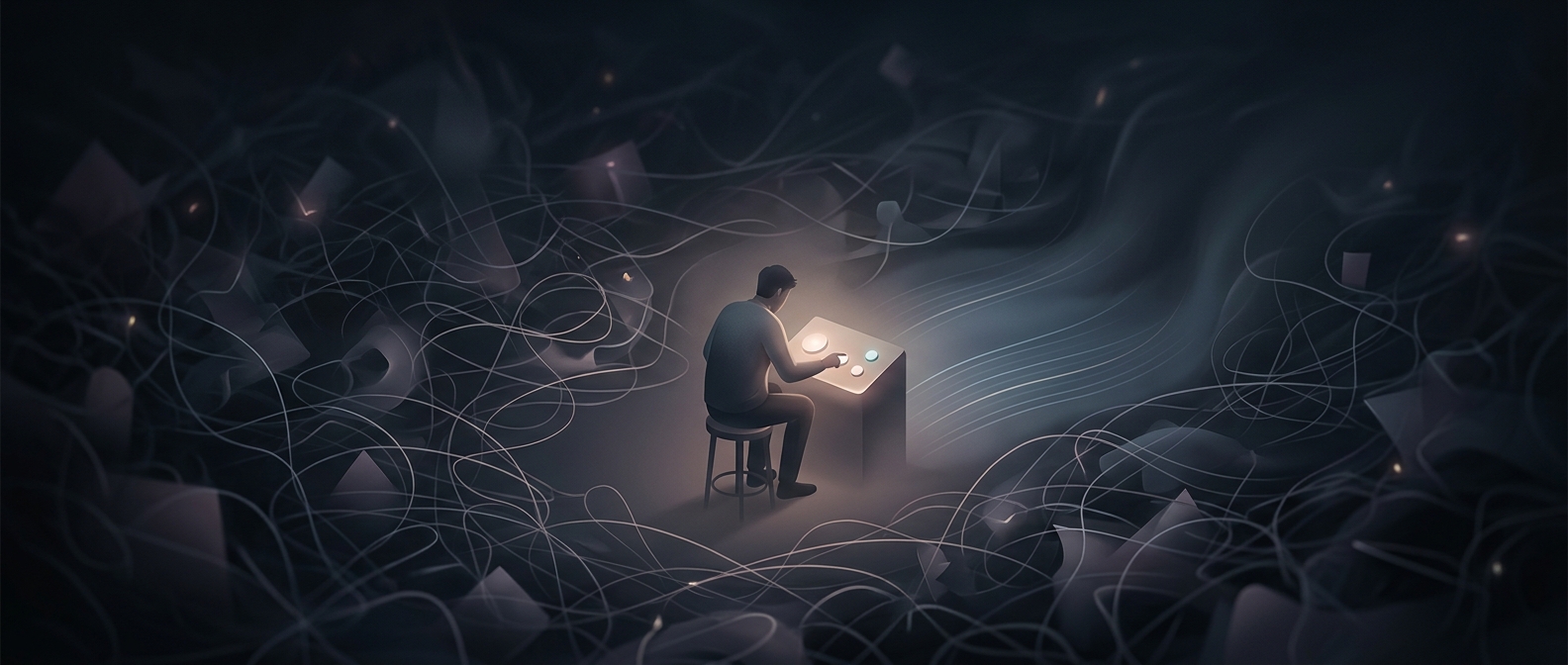
Believing you could have chosen differently can make a decision feel weightier. If an outcome goes badly, the mind can replay the moment and build an alternate version: I should have said no; I should have seen it coming. That imagined alternative makes the failure seem not just painful, but avoidable—and therefore personally revealing.
This is one way a sense of agency, the feeling that your actions are your own, can become a burden. Responsibility helps people learn from mistakes and make deliberate choices. But when every setback is treated as proof of a bad decision, reflection can slide into self-blame.
Choice is not the same as control
A person may make a choice without controlling the conditions around it or the result. A job applicant can prepare carefully and still be rejected; someone can make a reasonable decision with incomplete information and later regret it. Looking back, the outcome can make the choice seem obviously wrong even when it was not obvious at the time.
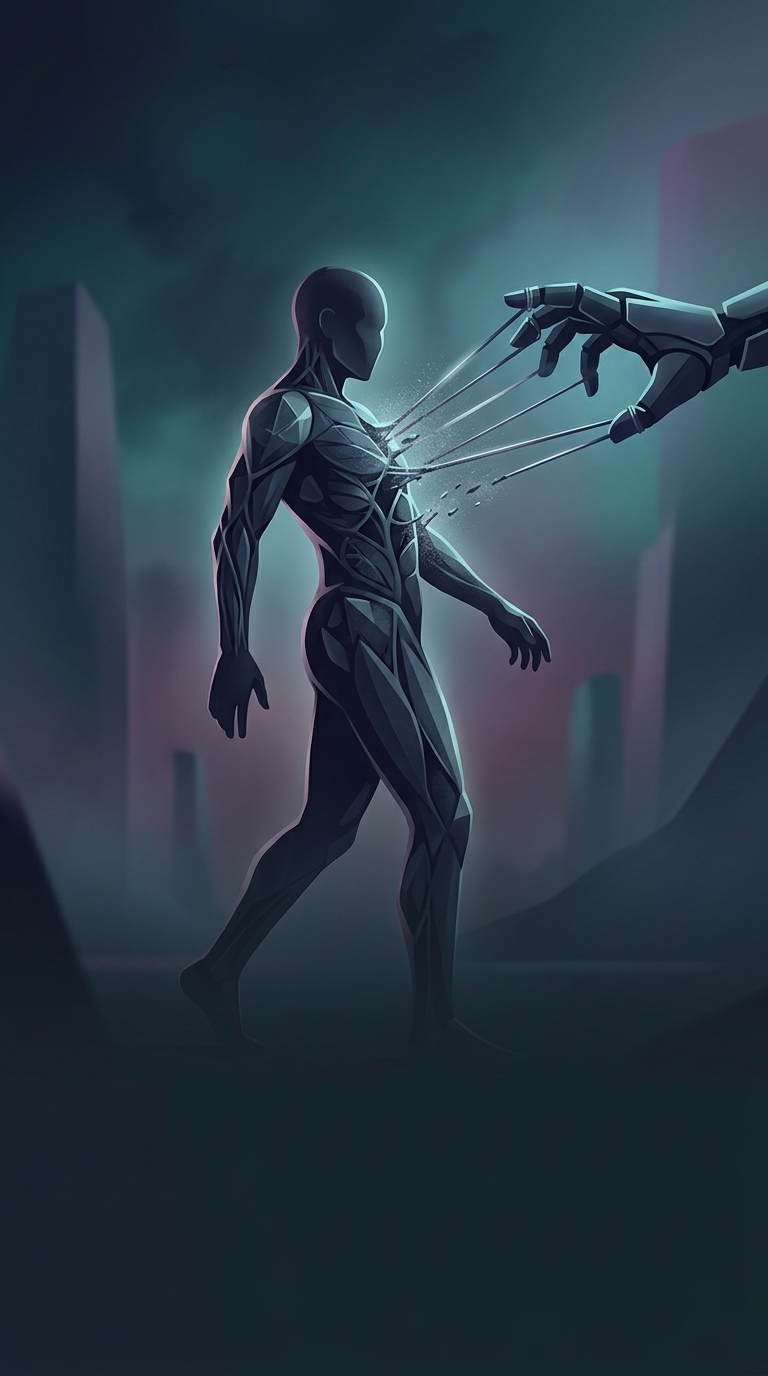
That gap matters. Taking responsibility for what you did is different from claiming responsibility for everything that followed. The first can help identify what to change next time. The second can turn chance, other people’s actions, and unfair circumstances into accusations against yourself.
A useful question after a painful result is not only “What did I choose?” but “What could I reasonably have known or controlled then?” It keeps the lesson tied to the decision actually available at the time—rather than to an imagined version of the past in which the outcome was already known.