A speech could cover a change backstage
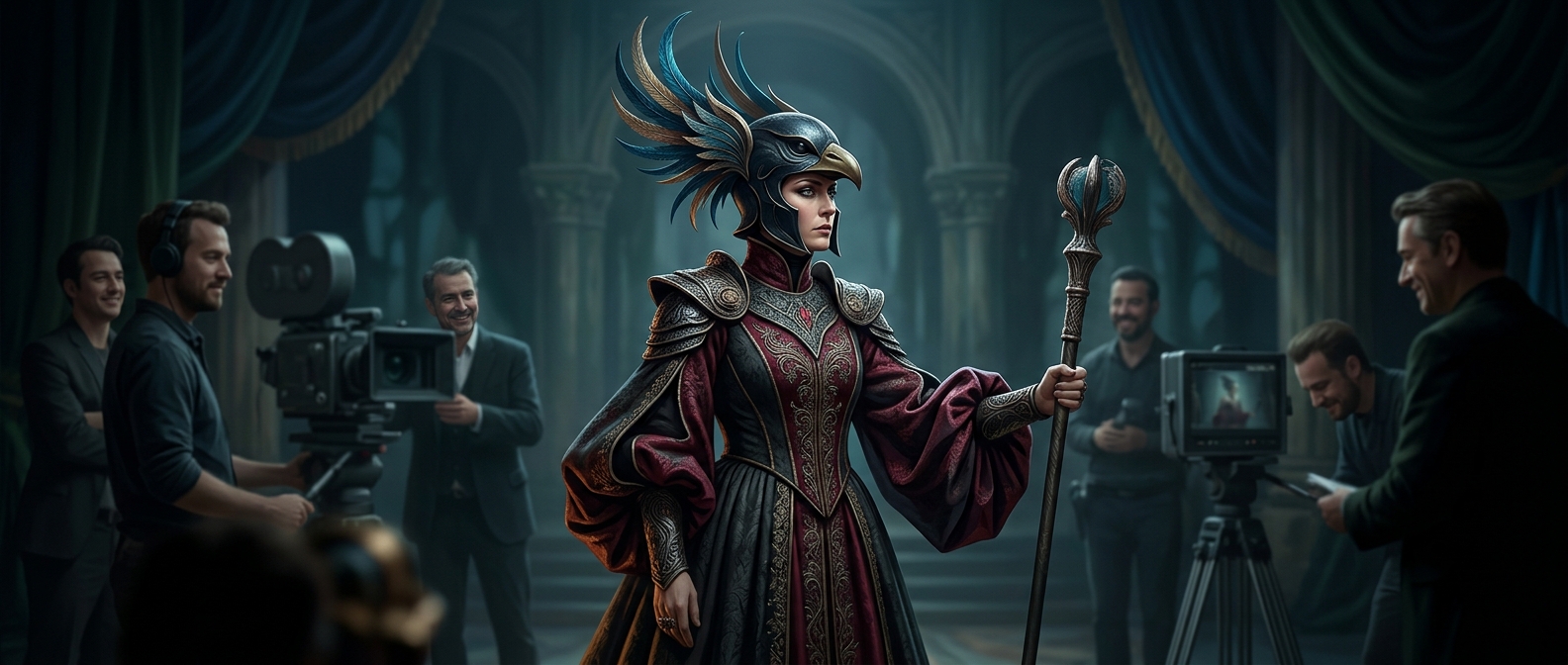
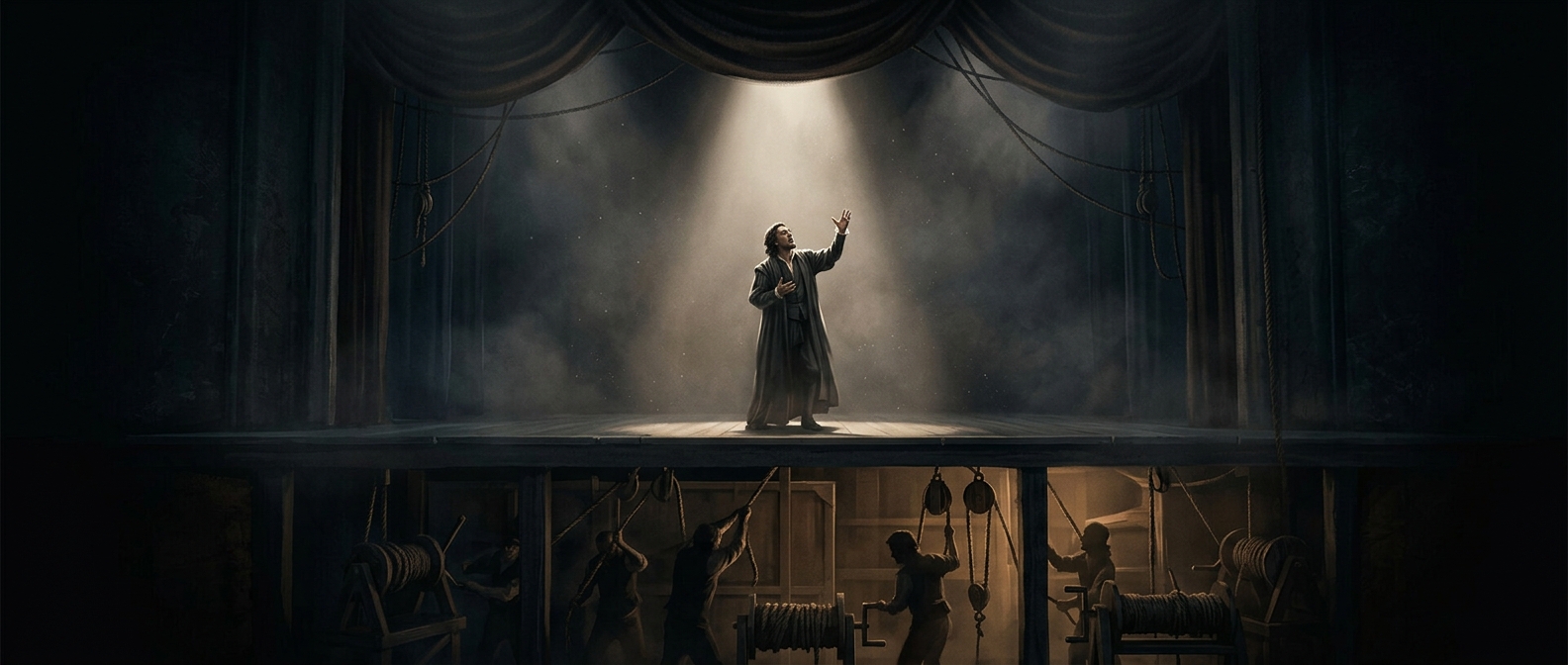
In Shakespeare’s theater, a long speech could do more than reveal what a character was thinking. It could also keep the audience’s attention onstage while another actor changed costume out of sight. The backstage area—often called the tiring house—was where performers prepared and changed clothes. A speech gave that work time to happen without requiring the play to pause.
Costumes mattered because they helped audiences recognize a character’s rank, role, or transformation. A change could therefore be more than a practical reset: it might prepare the visual impression a returning character would make. The audience stayed with the speaker’s words while the scene was being made ready behind the stage.
The practical job served the drama
That does not mean a long soliloquy was simply backstage cover. A soliloquy is a speech in which a character speaks alone or as if sharing private thoughts with the audience. It could deepen a character’s dilemma or build suspense, while its length also offered useful time for the company’s stage business.
The two functions could reinforce each other. As one character weighed a decision aloud, another performer could be getting ready to appear in a different costume. The speech kept the story moving in front of the audience—and helped the next entrance arrive prepared.