How one frequency carries several conversations
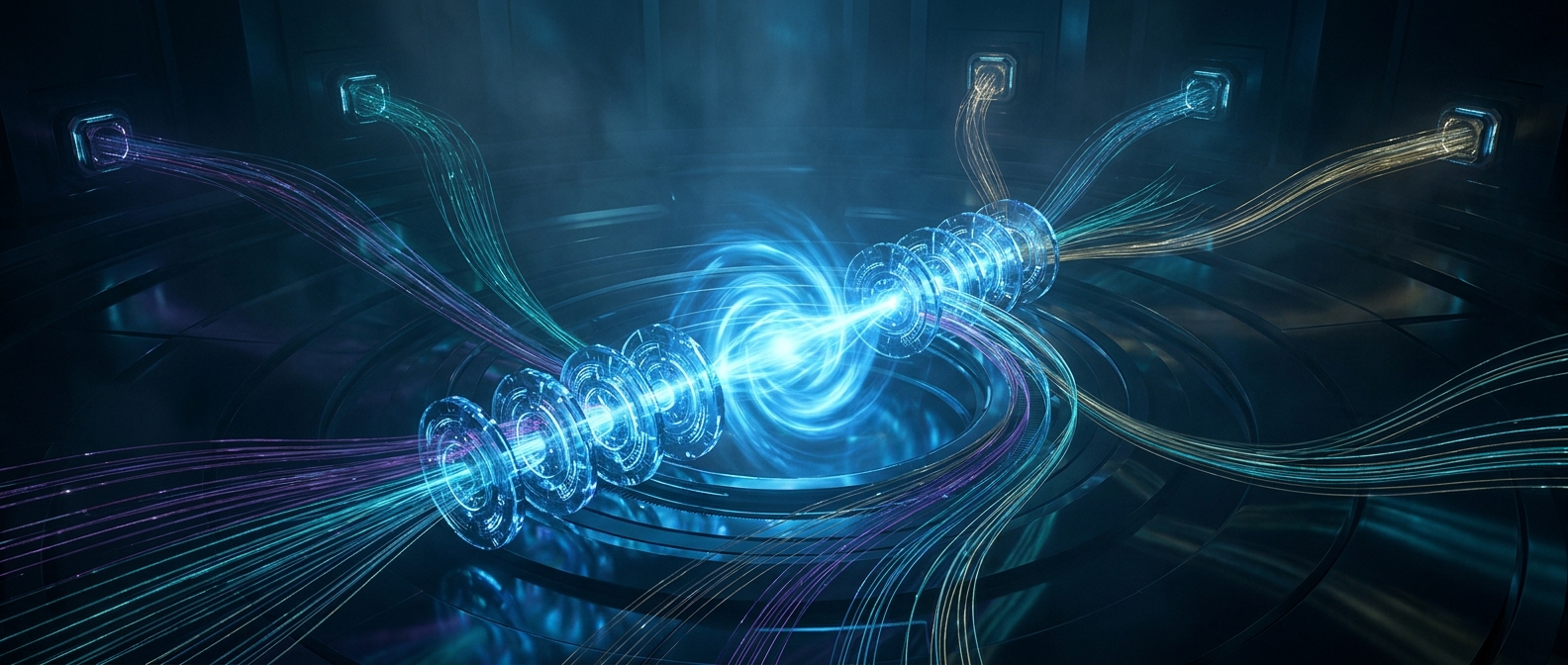
A radio channel is a band of frequencies set aside for communication. In time-division access, users take turns transmitting on the same channel rather than speaking over one another. A controller divides time into repeating frames, then assigns each user a short slot within each frame. Each transmission arrives as a burst; the receiver sorts bursts by slot and reconstructs the intended stream.
The turns can be brief enough that a listener experiences an ongoing connection, even though the transmitter is active only during its assigned intervals. This works especially well for digital data, which can be sent in compact packets and reassembled at the other end.
The timing is part of the engineering
Every device must agree on when its slot begins. If one transmission drifts into the next user’s slot, the signals can collide. Systems therefore synchronize their timing and may leave a tiny gap between bursts, called a guard time, to absorb small differences in arrival time.
Turn-taking also creates a tradeoff. More users can share the channel, but each gets less time to transmit in a frame; a user may also wait for its next slot before sending. The frequency is shared efficiently because users are separated in time, not because the channel has become wider. That same rhythm lets a receiver distinguish multiple users on one frequency by when each burst arrives.