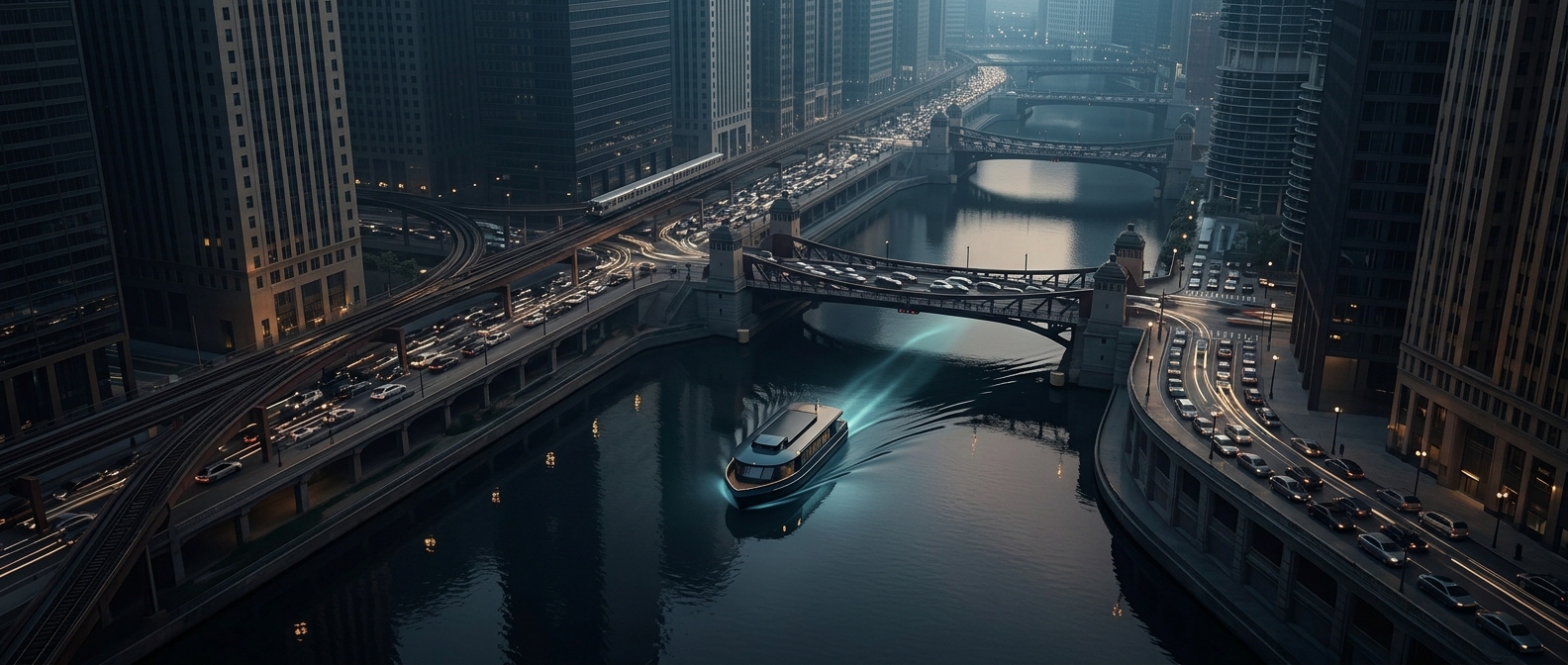
How a boat can approach Niagara Falls safely
The tour’s dramatic approach is possible because the boat stays far downstream of the brink. It heads into the turbulent water below the falls, where there is room to maneuver, rather than sailing toward the edge from above. The route is planned around the river’s currents and the limits of the vessel, keeping the boat in a designated sightseeing area.
Power is for control, not a race
Near the falls, the water is moving and uneven. Strong engines let the crew make headway against the current and hold the boat’s position instead of being carried along. That control matters in the churning spray, where wind, waves and shifting currents can make steering less predictable than it is on calm water.
The boat’s job is not to fight the river all the way to the falls. It approaches only as far as the controlled route allows, then turns or holds back. Crew members use their knowledge of the route and conditions to keep the vessel moving safely through the rough water.
The spray is part of the experience
As water plunges over the falls, it throws up a dense cloud of mist. A tour boat can enter that spray from below, giving passengers a close view and the unmistakable sensation of being soaked, while remaining well away from the dangerous brink. The trip makes the river’s power tangible—but the proximity is carefully managed, not a gamble with the current.