Why a Ferry Sometimes Has to Wait for the Weather
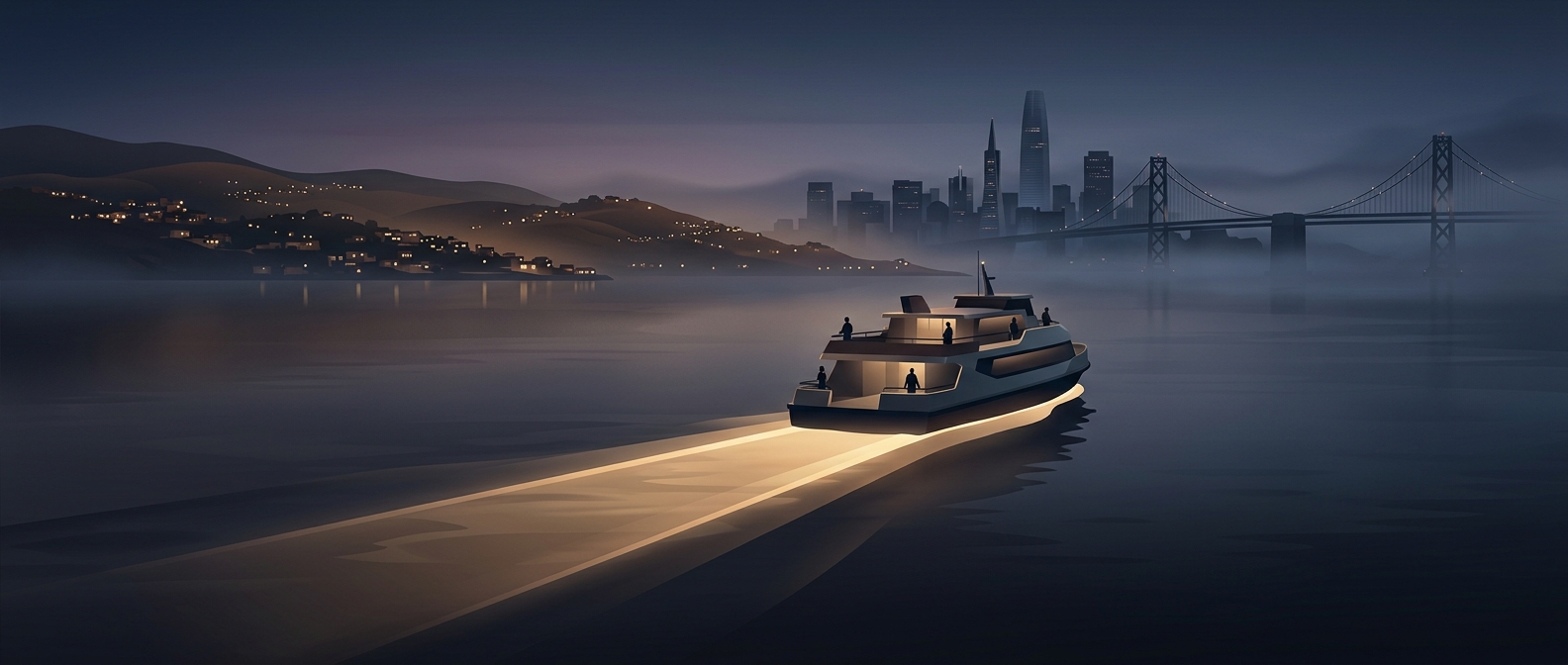
A ferry is not simply a bus that happens to float. To make a safe trip, its crew must be able to navigate a defined route, judge distances, and bring a large vessel alongside a dock without striking it. Fog can erase visual landmarks and make it harder to see other boats, shore features, or the landing ahead. When visibility falls too low for safe navigation, waiting is safer than trying to keep to the schedule.
Wind Matters Most Near the Dock
A vessel has a large exposed surface, so wind can push it sideways, especially when it is moving slowly. That is a particular problem during docking: the ferry must line up with a relatively small landing while controlling its speed and position. Strong gusts can make that maneuver unreliable even if the rest of the route is clear. The crew may be able to travel in one set of conditions but still be unable to dock safely at the destination.
The Route and the Vessel Set the Limits
Weather limits are not identical for every ferry. A sheltered route, a vessel with different handling characteristics, or a dock designed for a range of conditions may allow service to continue in weather that would stop another crossing. Operators weigh visibility, wind, the vessel’s capabilities, and conditions at the landing; a cancellation is a safety decision, not merely a response to discomfort on deck.
That makes a ferry commute unusually dependent on a stretch of open water. A bus delayed by bad weather may still inch along its road, but a ferry that cannot see its route or hold steady at the dock has no safe way to complete the trip.