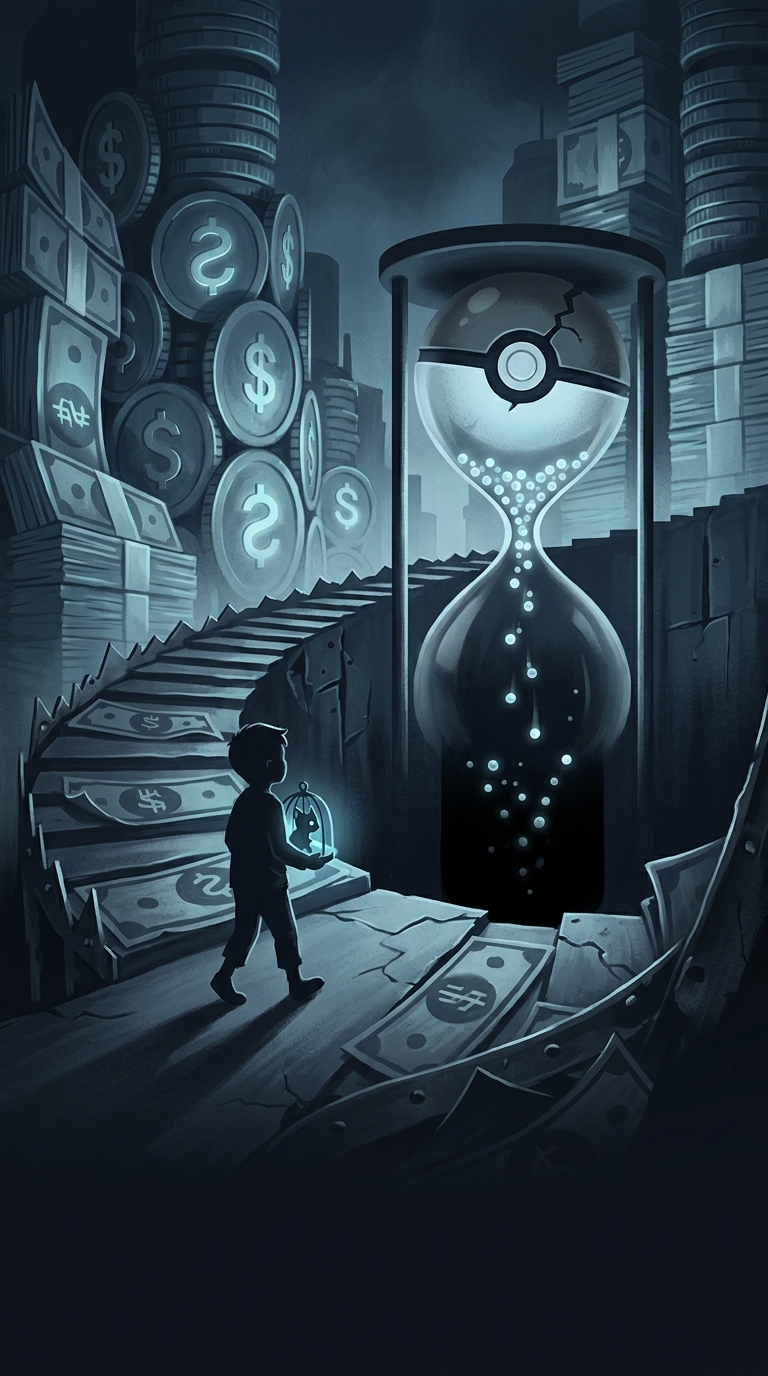
Why Pokémon’s Prices Look So Huge
Pokémon’s early games use prices that make more sense when read against Japanese yen rather than dollars. In everyday Japanese cash prices, yen amounts are written as whole numbers, with no decimal point separating dollars from cents. So a bottle of water priced at 200 yen is a plausible small purchase—not the equivalent of spending 200 U.S. dollars.
The games’ English versions kept those familiar-looking numbers instead of converting every price into a new currency scale. That made items such as 200-Pokédollar water seem startlingly expensive to players used to dollar-and-cent pricing. The difference is partly about denomination: the same number can suggest a very different real-world cost depending on the currency behind it.
The Bicycle Is an Exception—On Purpose
The bicycle’s famous 1,000,000-Pokédollar price pushes the joke much further. In the original games, that price is so high that it exceeds the amount of money the player can carry. It is not simply a normal purchase waiting for a long grind; players get a bicycle voucher elsewhere in the story and exchange it for the bike.
That makes the sticker price a bit of game design as well as a currency gag. It signals that the shop’s offer is out of reach, while the voucher provides a route around the impossible transaction. Even if yen context softens the apparent cost of ordinary items, a million remains an outrageous price—one the game turns into a memorable obstacle rather than an actual shopping decision.