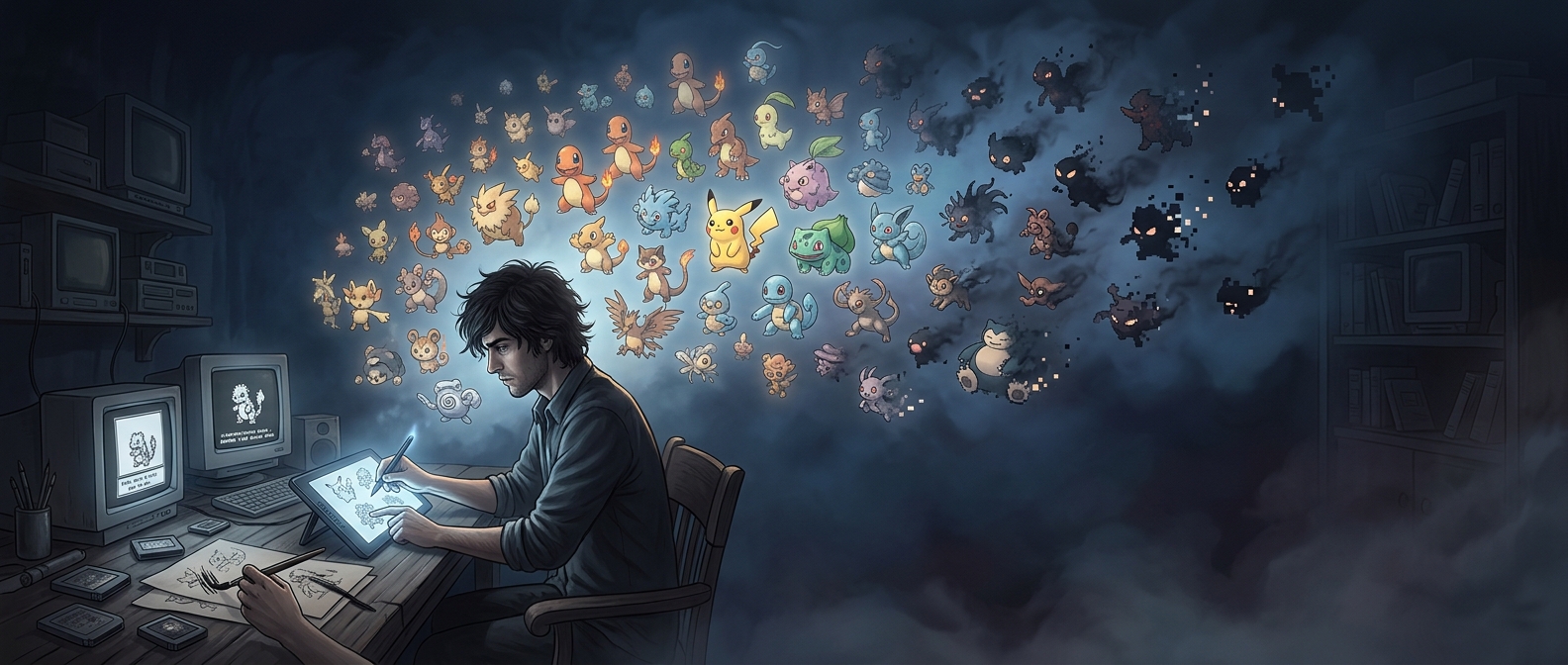
How the Game Boy’s limits shaped the Pokédex
The original Pokémon games were being built for a handheld with tight cartridge-storage limits. Every creature took more than a place on a list: the game needed room for its visual and gameplay data, alongside maps, music, dialogue, and the rest of the adventure. When the planned roster outgrew the available space, some monsters had to go.
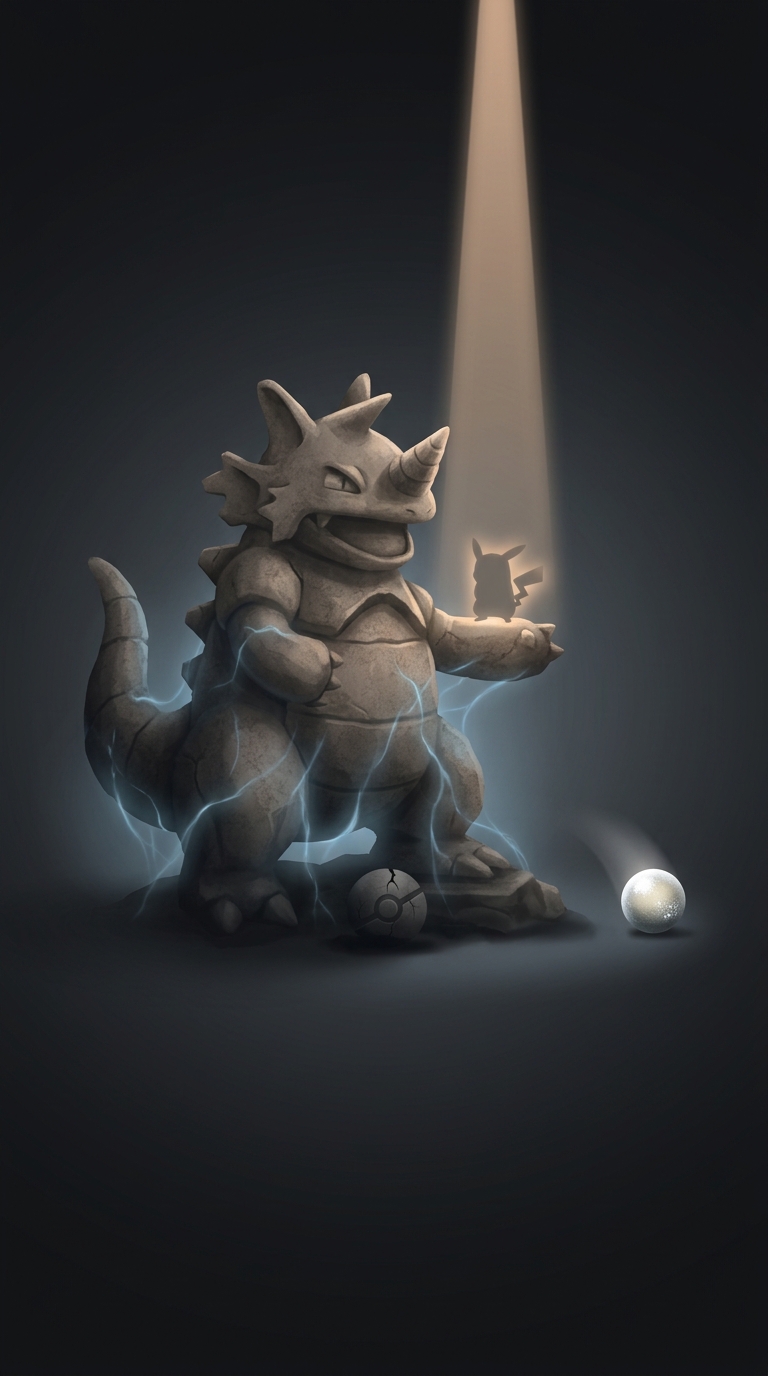
The internal index preserves traces of that larger plan, listing entries for as many as 190 monsters. An index number is not proof that each entry was a finished, fully playable Pokémon; it is evidence that the game’s development reached further than the roster players ultimately received.
Cut designs could wait for another game
Unused concepts did not necessarily disappear. Some designs that missed the original release later appeared in Pokémon Gold and Silver, the follow-up games. That gave developers a way to bring ideas forward without squeezing them into the first games’ already crowded cartridge.
The cuts show how a technical limit could become a creative boundary: the final roster was not simply every creature the developers imagined, but the set they could fit into one specific adventure. The unused index is a glimpse of that larger, unfinished world—and of designs that had to wait for their turn.