A sacred space assembled one block at a time
In a sandbox game, a player can shape a landscape by placing and arranging virtual blocks. For practitioners who build sacred spaces there, that hands-on process is part of the meaning: a shrine or temple is not simply downloaded as a finished image but made through repeated choices about its form and surroundings.
Those choices can express intention. A builder might treat the time spent designing a space, and the care given to its arrangement, as a way of directing attention toward a spiritual purpose. The resulting “energy” is understood within the practitioner’s spiritual framework—not as a measurable force produced by the game.
What the game adds
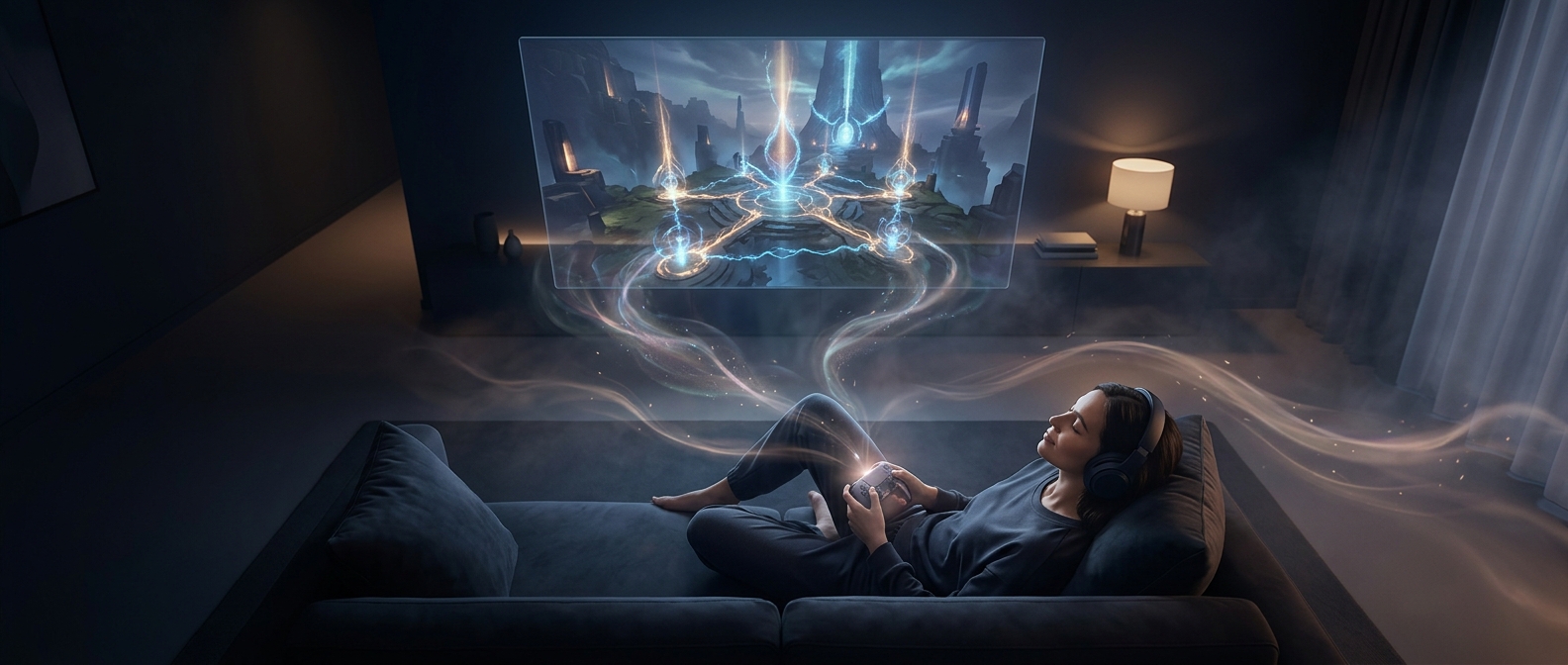
The digital setting makes the space both constructed and inhabitable. Players can enter it, move through it, and potentially share it with others. That can turn a private act of design into a place for gathering or reflection, while the game’s blocks and building tools give the creator a concrete way to shape an idea that might otherwise remain abstract.
The key is the relationship between making and meaning: the building itself can be part of the practice, not just a route to a finished structure. A virtual shrine may have no physical materials, but its creator can still invest it with attention, purpose, and significance.