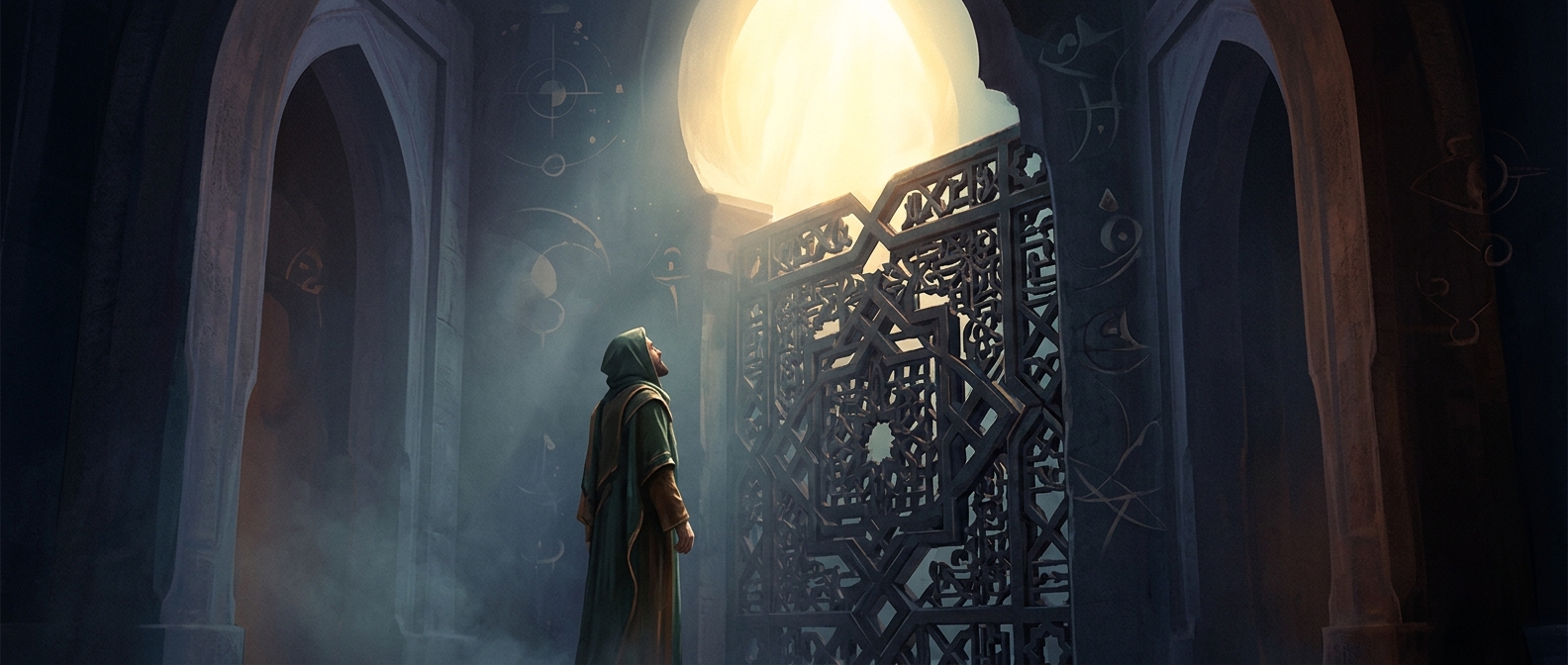
What Martinists mean by humanity’s fall
In Martinist teaching, the “fall” is not simply a story about a first human mistake. It describes a rupture in the relationship between humanity and the divine: people are understood to have lost an original spiritual condition and become absorbed in a more limited, material existence. The idea belongs to a Christian mystical worldview, not to a scientific account of human origins.
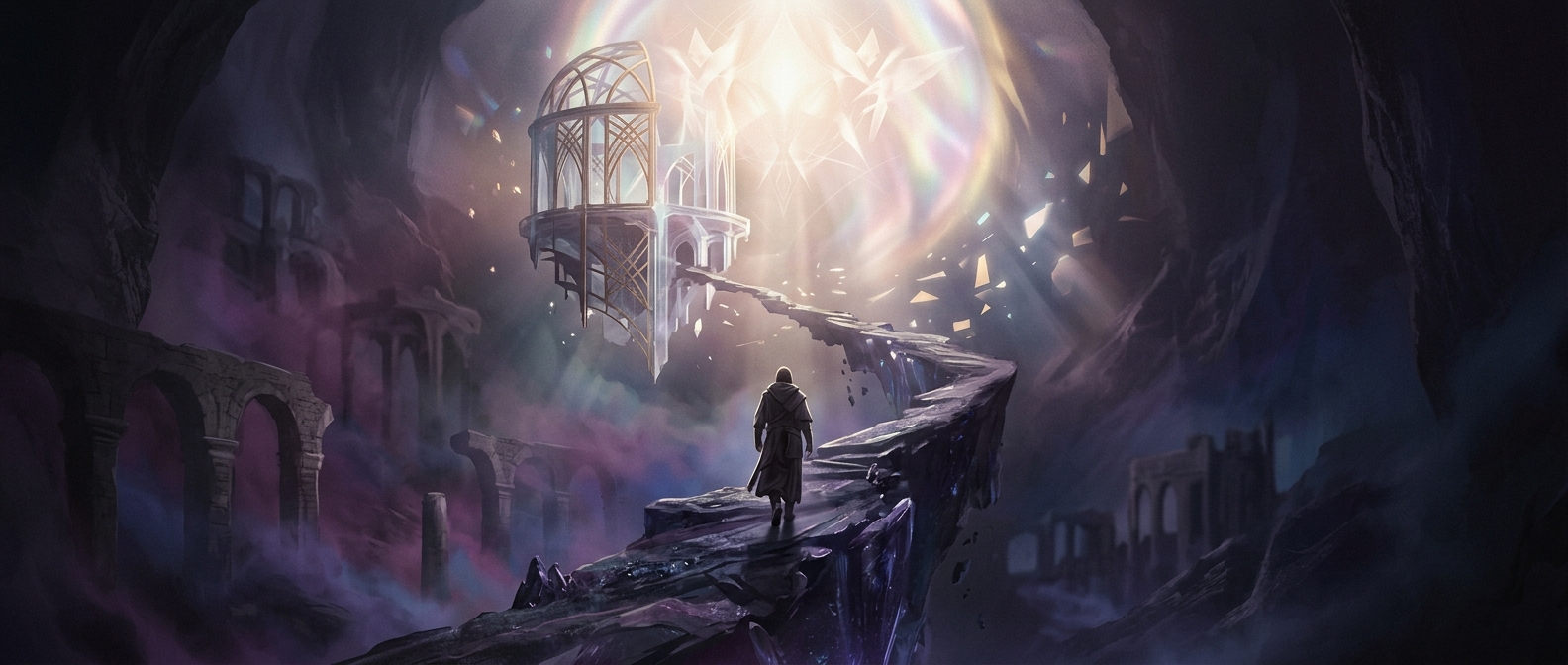
That loss gives the tradition its central question: how can the separation be healed? Martinists call the hoped-for return reintegration—a restoration of spiritual closeness to God and of the human being’s proper place in the divine order.
Reintegration as an inward work
Reintegration is not usually presented as a change achieved by knowledge alone or by waiting for a future world. It calls for a transformation of the person: turning away from self-centeredness and spiritual distraction, and cultivating prayer, moral discipline, and a more inward awareness of God. In this sense, the fall explains the human condition, while reintegration supplies the direction of spiritual practice.
The emphasis on inward change reflects the influence of the French mystic Louis-Claude de Saint-Martin, whose writings helped shape Martinism in the eighteenth century. His approach is often associated with an “inner way”: spiritual return through the renewal of the person, rather than reliance on elaborate ritual as the central route. Martinist groups have varied, so this is a broad description rather than a rule for every order.
Why the fall matters
The teaching makes ordinary moral and spiritual life part of a larger story. Choices matter because they can deepen estrangement or help restore communion. The striking implication is that humanity’s fall is not only a past event in Martinist thought; it is also a condition each person is called to address through a lifelong work of reintegration.