What “theoria” means in Orthodox spirituality
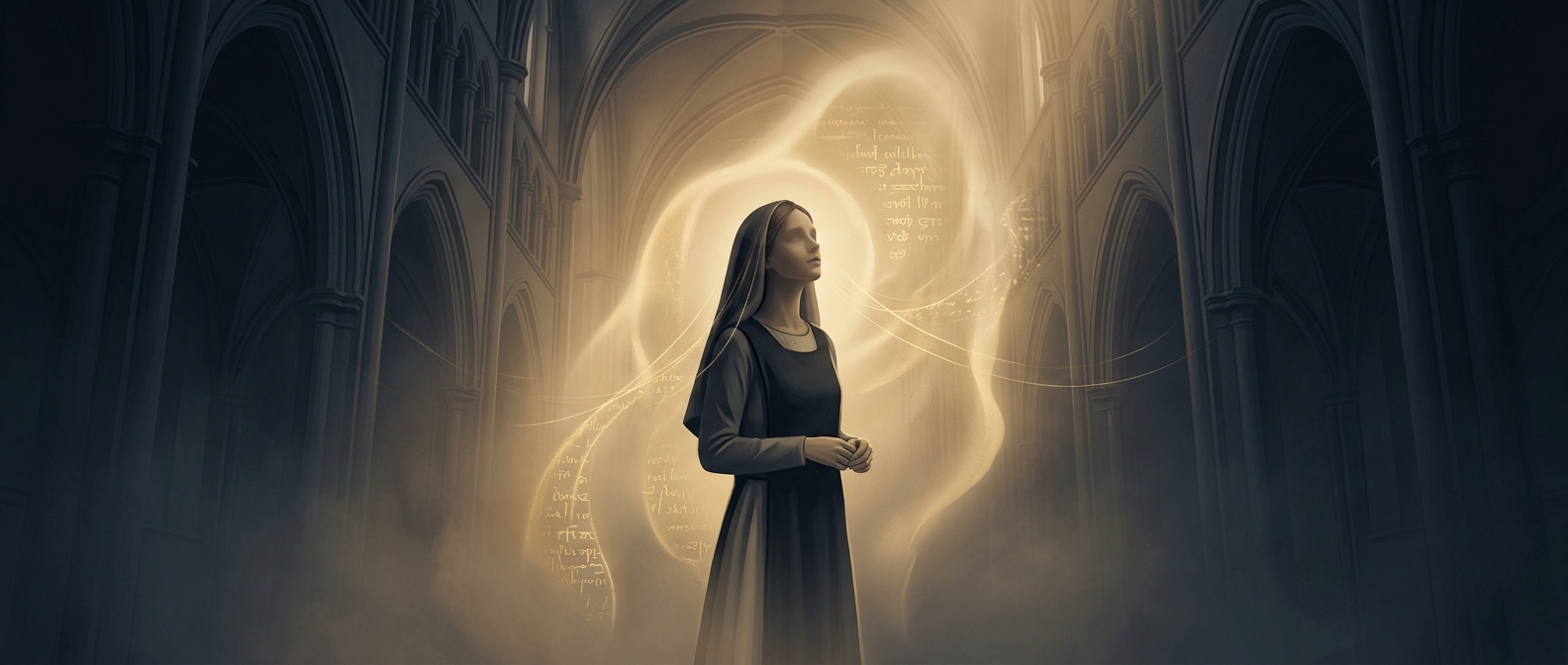
The Greek word theoria can mean contemplation or seeing. In Eastern Orthodox theology, it refers to a knowing of God through lived encounter, not merely learning religious ideas or reasoning about them. It is often described as a high point of spiritual life, associated with prayer and inner transformation.
That description does not usually mean a person has mastered a technique and earned a vision. Orthodox writers connect contemplation with purification: gradually turning away from selfishness and distraction so that a person becomes more receptive to God. Theoria is understood as a gift, not a spectacle that can be summoned on demand.
Why the light is called “uncreated”
The language of blinding light draws on the Gospel account of Jesus’ Transfiguration, when his disciples see him radiant on a mountain. In Orthodox tradition, that radiance is called uncreated light: “uncreated” means it is understood as belonging to God, rather than being an ordinary light made within the physical world.
The term therefore makes a theological distinction, not a claim about a measurable beam or a special visual effect. Descriptions of theoria use the language of sight to express an encounter considered beyond ordinary perception. The light can be called blinding because divine reality is portrayed as overwhelming human understanding, even as it is experienced as presence rather than as an idea.
This is why theoria sits above study in the spiritual vocabulary: study can describe what a tradition teaches about God, while contemplation names the hoped-for encounter that gives those teachings lived meaning.