A small collision can become a witnessed crime
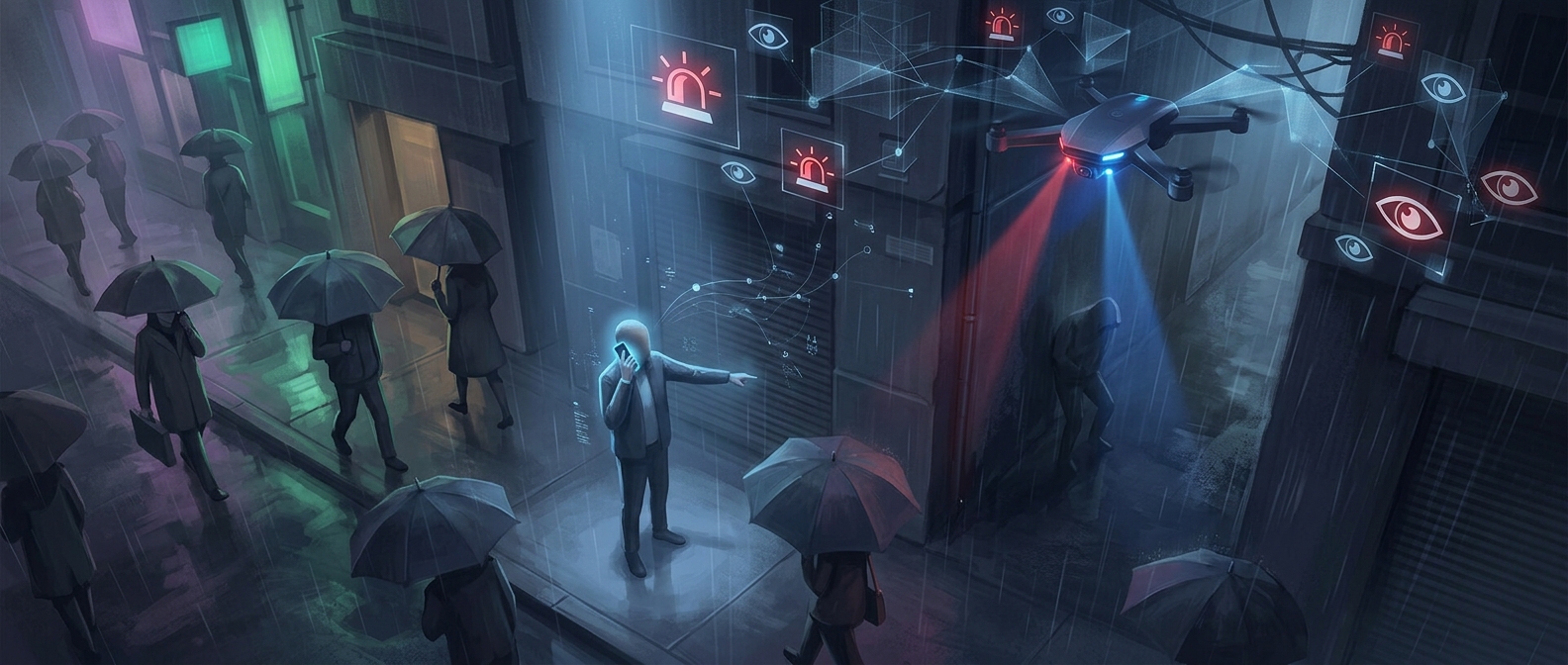
The notable design choice is that the game lets a bystander interpret an ordinary-looking bit of chaos as something worth reporting. A parked car is not just scenery: when the player hits it, its owner can react, use a phone, and pass identifying information to the police. The consequence comes through a person in the world, rather than appearing only as an automatic penalty on the screen.
That makes the street feel like a chain of cause and effect. The impact creates a witness; the witness’s call gives law enforcement a lead. The player’s mistake can therefore matter even after the collision itself is over.
The city turns carelessness into risk
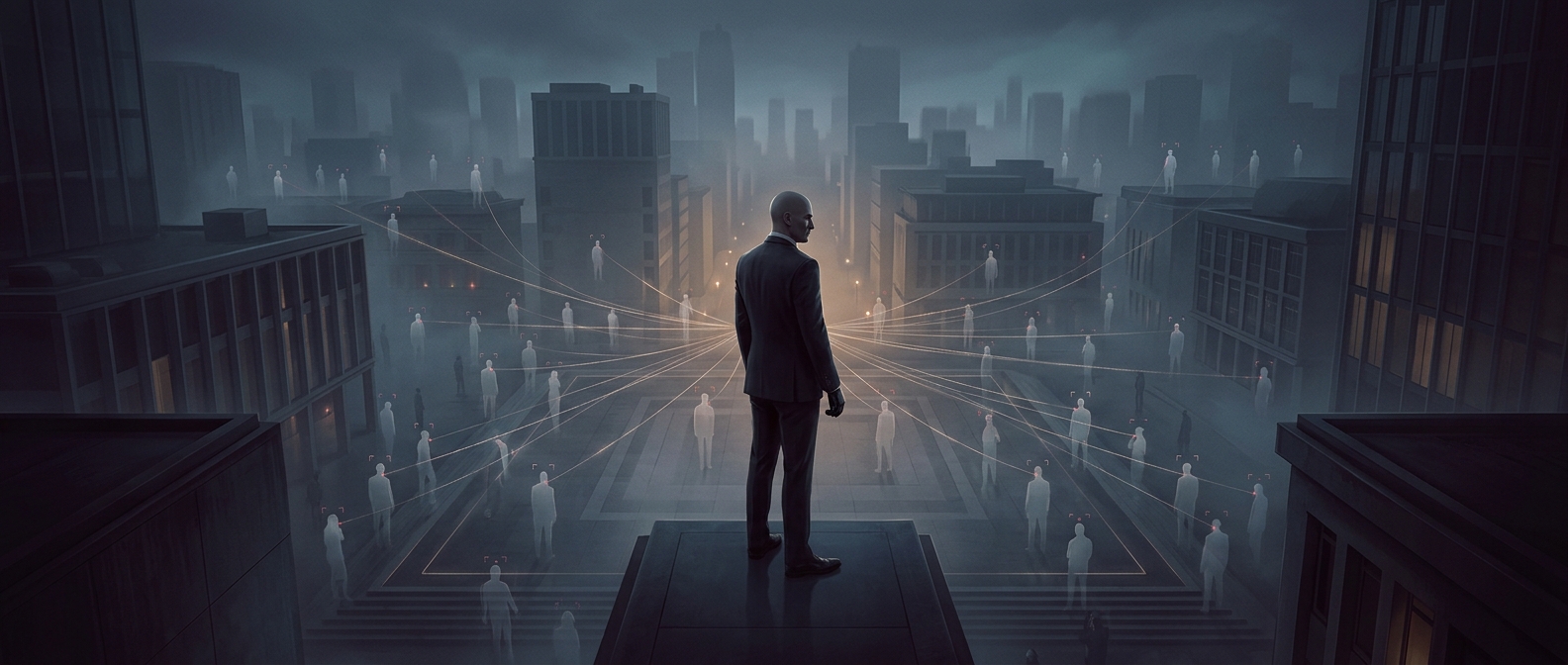
This kind of interaction supports Watch Dogs 2’s broader emphasis on a responsive urban environment. Pedestrians are not merely background figures who move aside while the player acts. Their reactions can make a small action consequential, encouraging players to think about who is nearby and what those people might do next.
It also creates a different kind of tension from a scripted chase. The player may not know whether a particular passerby will intervene, so even minor damage can feel risky. A careless bump is no longer just a slapstick moment: it can leave the player dealing with the attention of the police.