Why a ban can arrive at the next login
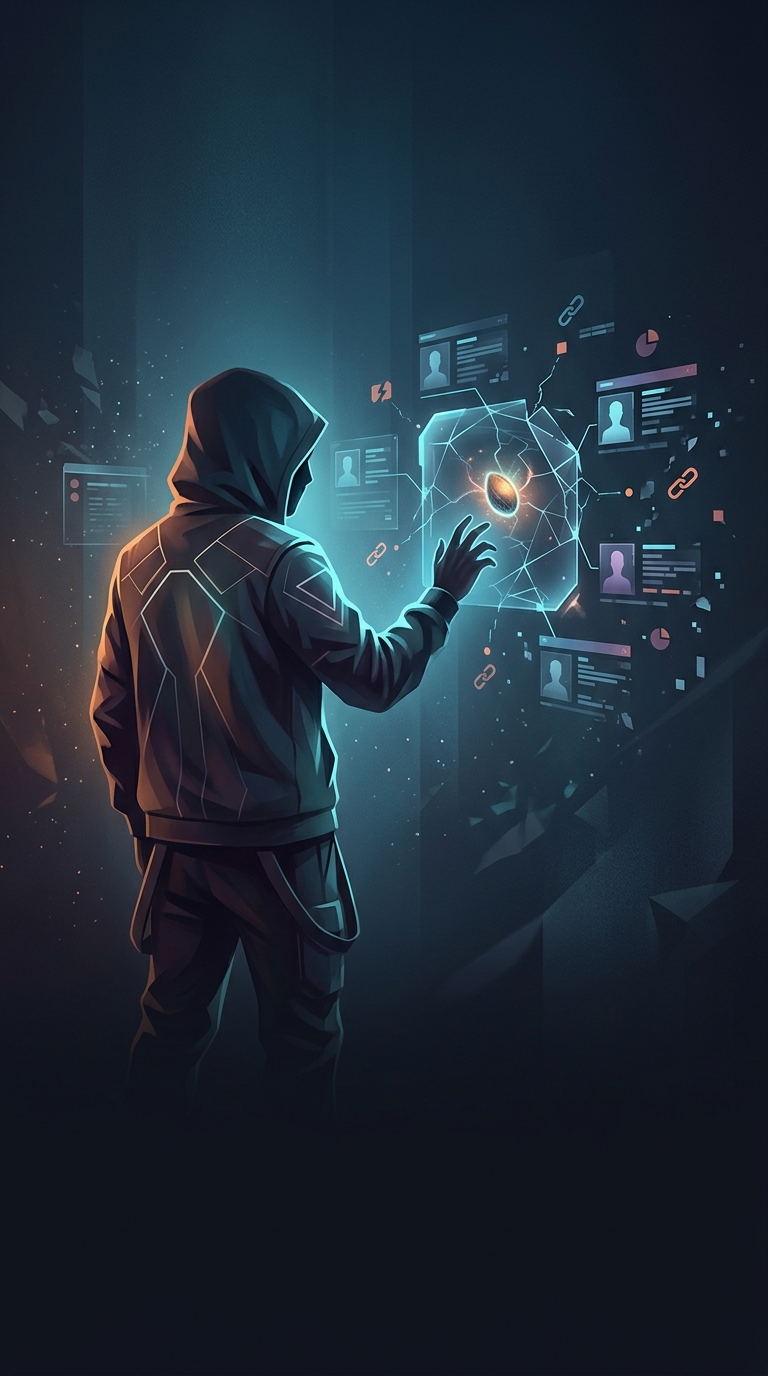
An anti-cheat system does not have to announce every change it makes. A game can update its detection or enforcement rules in the background, while players continue playing without seeing a new warning or menu. If the system later flags an account, the consequence may appear only when that player attempts to connect again: the login check is where the game can refuse access and display the ban.
That delay separates detecting suspicious behavior from enforcing a penalty. It also means a player may not know which match, action, or software triggered the decision. The notice can feel sudden even if the account was flagged earlier.
Why keep the change quiet?
A visible announcement can give cheat makers a clue that a particular method is being watched. If developers reveal exactly what changed, those makers may alter their tools to evade the new checks. Keeping an update quiet can make that response harder—though it does not guarantee that every flagged account is caught immediately or that every detection is perfect.
The timing can also make enforcement less useful as a signal to other cheaters. If accounts are penalized together rather than as soon as they are detected, it may be harder to connect a ban to one specific tool or behavior. That makes it more difficult to test the system by changing a cheat and seeing whether the next account is caught.
The moment the change becomes visible
For players, the update’s presence may be invisible until the next login turns it into a concrete outcome: access denied. For developers, the quiet interval preserves some uncertainty about what the system can detect. That uncertainty is part of the contest—because once an anti-cheat change is obvious, the people trying to bypass it can start adapting.