A swallow is a coordinated transfer, not a free fall
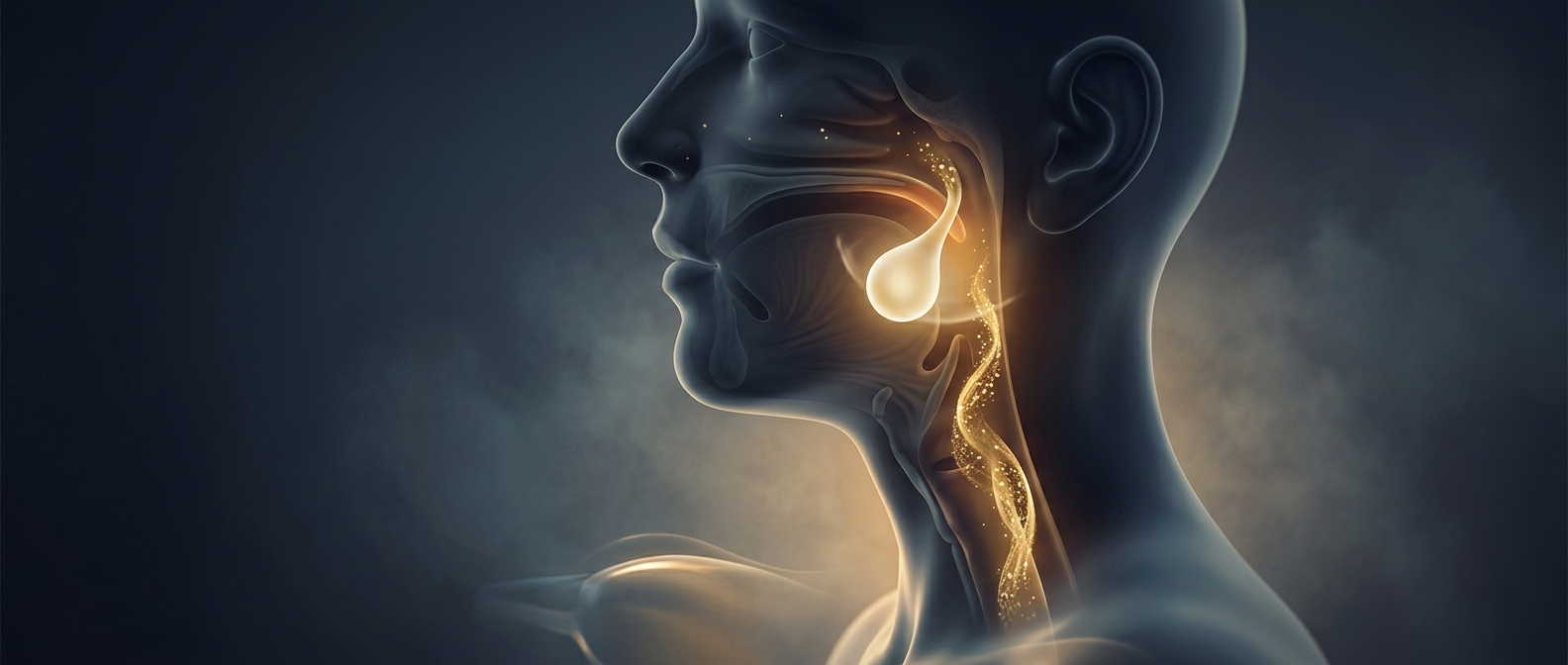
Before a fry can travel, chewing turns it into a manageable bolus—a soft mass mixed with saliva. The tongue gathers the food and presses it against the roof of the mouth, then drives it toward the throat. That movement starts a rapid sequence involving muscles in the tongue, throat, and food pipe, or esophagus.
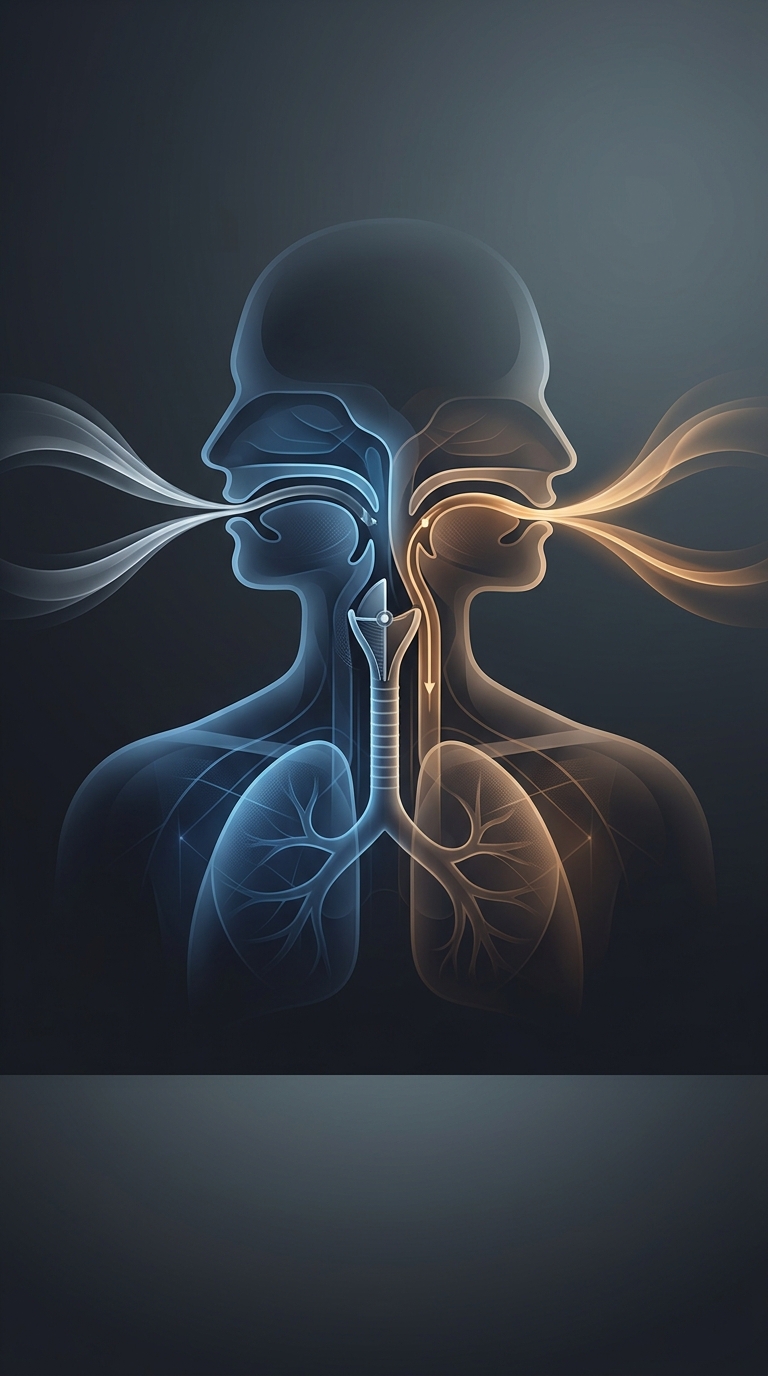
Once the bolus reaches the throat, the swallow becomes largely automatic. Muscles lift the voice box, and a small flap of tissue called the epiglottis helps shield the entrance to the airway. At the same time, a muscular ring at the top of the esophagus relaxes so food can pass into it. These actions must line up closely: a mistimed opening could send food toward the lungs instead of the stomach.
The handoff continues below the throat
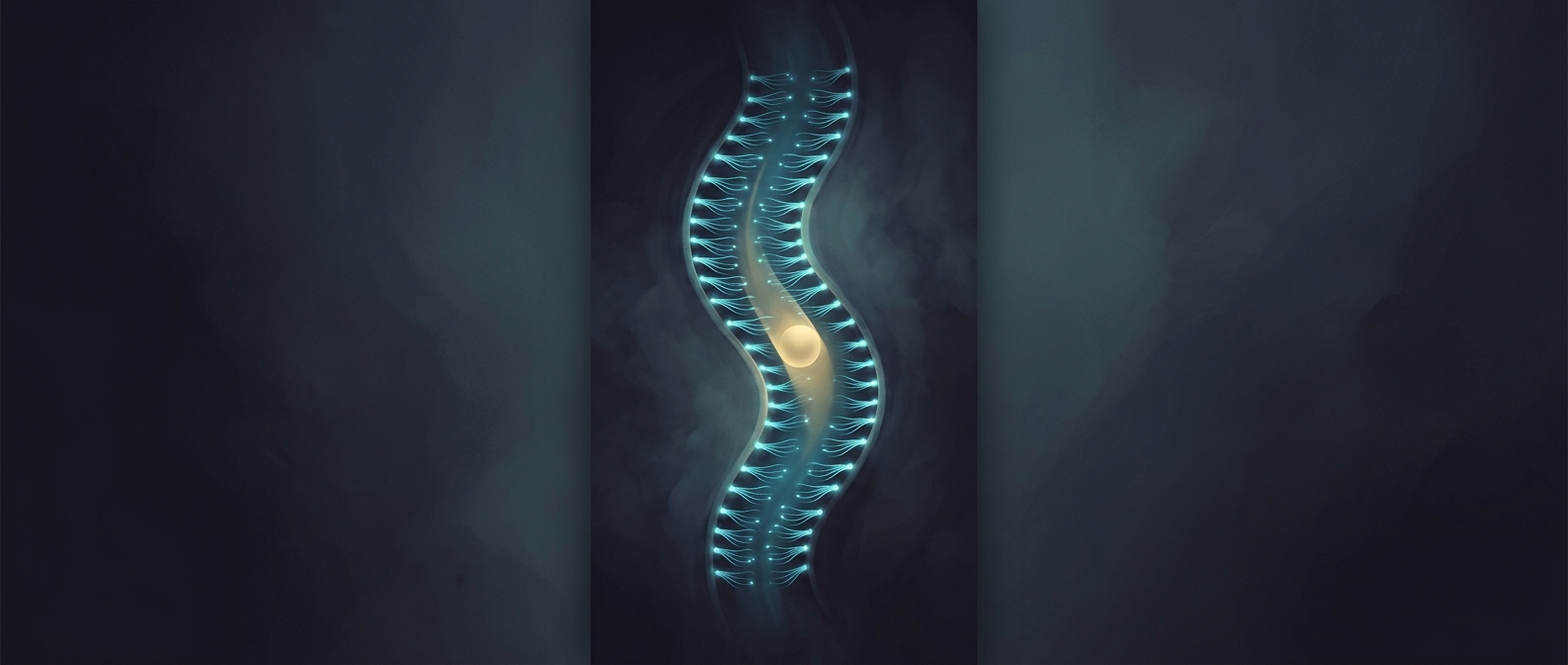
After the bolus enters the esophagus, waves of muscle contraction squeeze it downward. This motion, called peristalsis, carries food toward the stomach even when gravity is not doing the work. The muscles are not all pushing at once; different groups contract and relax in an ordered pattern.
The many paired muscles involved help explain why swallowing is more intricate than its single, effortless feeling suggests. For a brief moment, breathing also pauses so air and food are not moving through the throat at the same time. That tiny interruption—and the carefully timed movement around it—is what lets an everyday bite pass safely from mouth to stomach.