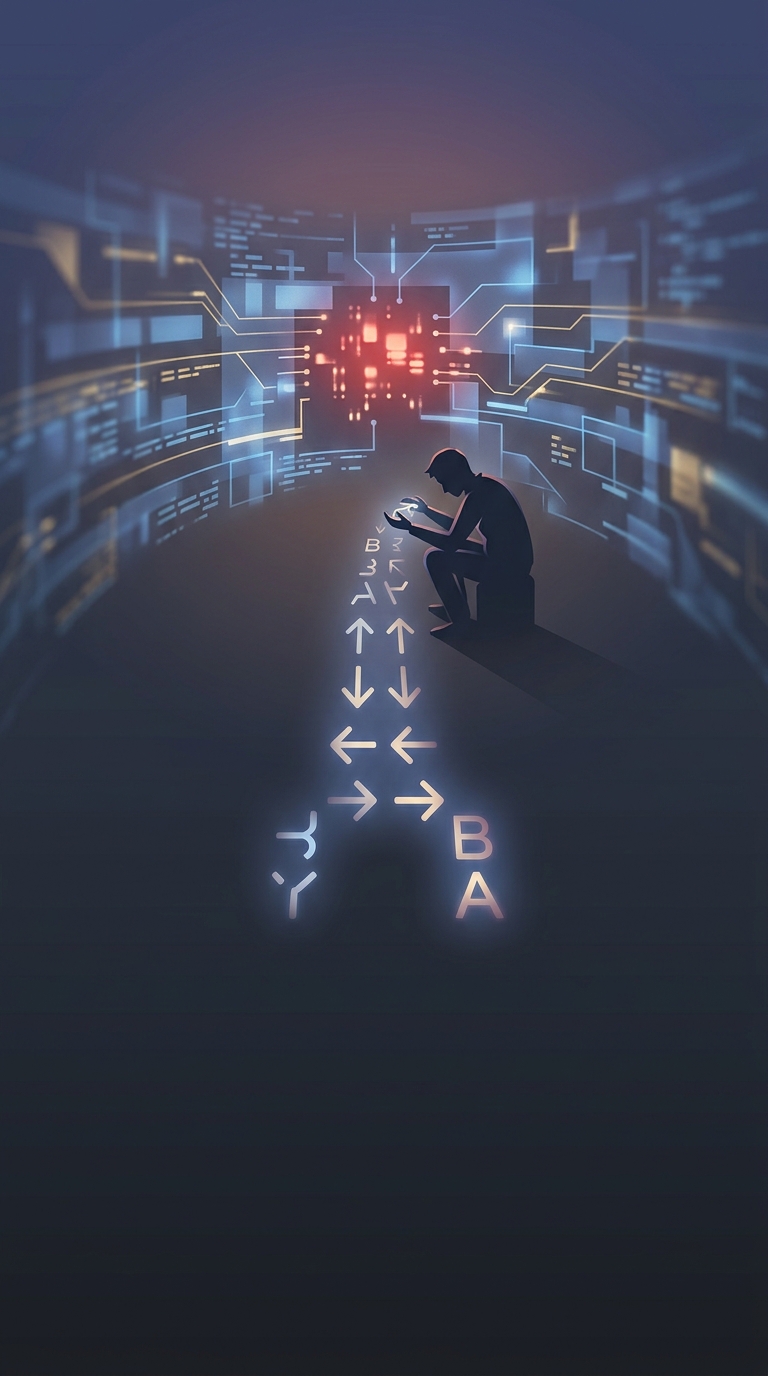
A testing shortcut survived the trip to the NES
Gradius was built around a demanding arcade challenge: players had to dodge incoming fire while gradually strengthening a ship that began with few defenses. That made testing every stage a slog for Kazuhisa Hashimoto, the developer adapting the game for Nintendo’s home console. Repeatedly playing through the difficult sections just to reach later parts slowed his work, so he added a hidden input sequence that could give the ship a powerful set of upgrades.
The sequence was meant as a practical tool, not a feature for players. Hashimoto left it in the finished game, where it became a secret route to the same equipment that normally took time and skill to assemble.
A private tool became a public discovery
The code worked because the game could recognize a particular series of controller inputs. Once players found and shared it, the sequence turned into more than an aid for one developer: it became a small piece of gaming folklore. Players could use it to change the difficulty curve, and other Konami games later included the code or variations on it.
That spread also changed what a “cheat code” could mean. It was not necessarily a hack or a flaw in the console; it could be a deliberate shortcut embedded by a developer and activated with a precise button pattern. A tool designed to help one person test a hard game became a secret players could pass from one another.