The cheat code that escaped the test room
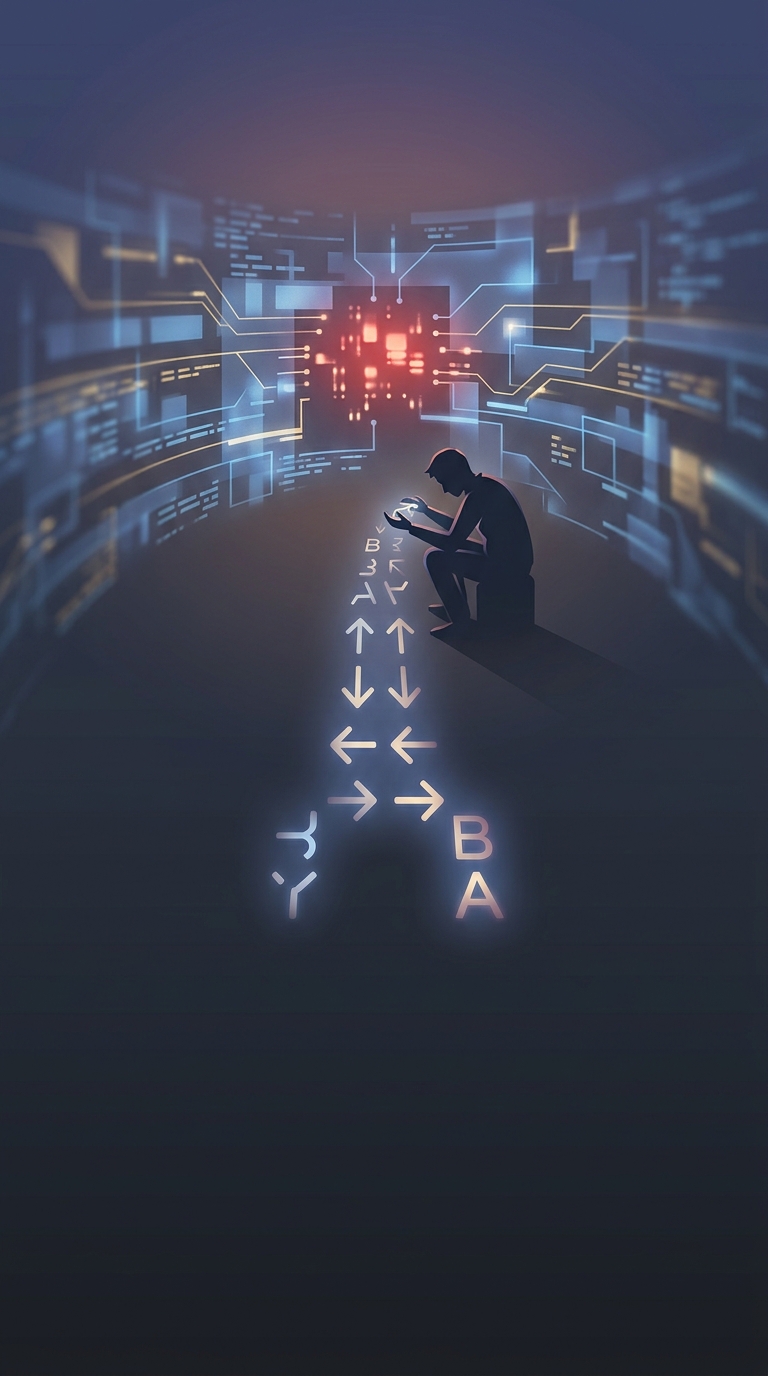
The sequence is known as the Konami Code: up, up, down, down, left, right, left, right, B, A. It began as a practical shortcut, not a planned piece of gaming folklore. While developing a Nintendo version of Gradius, Konami programmer Kazuhisa Hashimoto found the game difficult to test repeatedly. The code gave the player a full set of power-ups, making it easier to reach later stages while checking the game.
The code remained in the released game. That small oversight gave players a hidden way to make a demanding game more manageable—and gave other developers a memorable pattern to reuse.
From a power-up shortcut to a shared joke
The code became especially familiar through Contra, where entering it grants extra lives. Its value was partly practical: a player who knew the sequence could get past a punishing stretch instead of starting over after a few mistakes. But the inputs were also easy to remember and pass along, turning the code into the kind of tip friends could share without a manual.
Later games used the sequence for different effects, including bonuses, surprises, or playful references. That flexibility is why it could travel so widely: developers did not have to reproduce the original power-up effect. They only had to recognize that players might try the pattern.
A hidden feature players could carry with them
Most secret codes belong to one game and disappear when a player moves on. The Konami Code became a piece of gaming vocabulary instead. Players learned to test it in new titles, while developers could reward that expectation with a familiar effect or a wink.
A tool built to help one programmer inspect a difficult game thus became a portable secret—one that players could bring to the next controller they picked up.