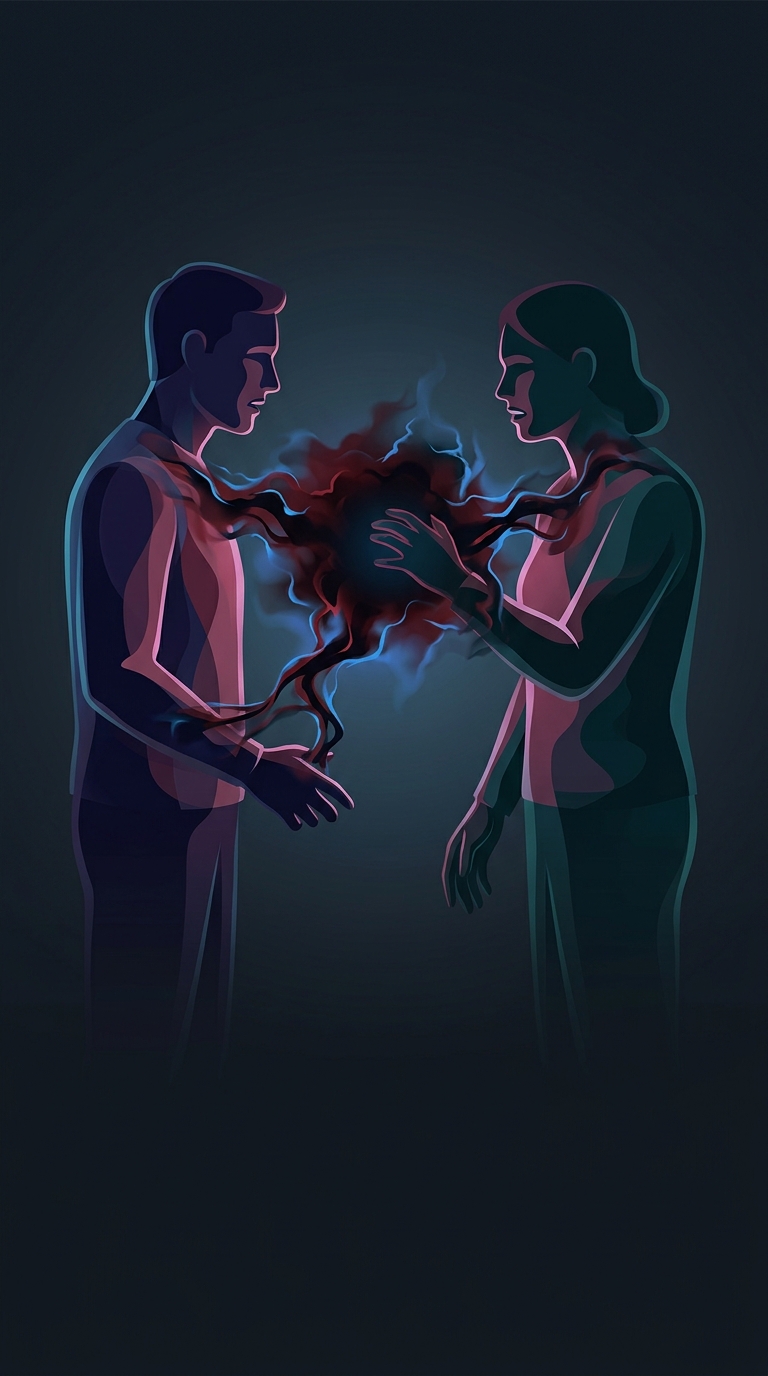
Why shared hardship can make strangers feel close fast
The mechanism is often called shared-adversity bonding: people can grow attached quickly when they face a difficult or frightening situation together. The pressure gives strangers a reason to cooperate before they have time to build trust through ordinary conversation. One person helps, another accepts the help, and each sees the other respond under stress. Those small acts can make a new connection feel unusually meaningful.
Stress speeds up the story people tell about a bond
A demanding experience also gives people a vivid event to remember and discuss. They may disclose fears or personal details sooner than they would in a casual setting, then feel understood because the other person was there for the same ordeal. The friendship can seem to have skipped ahead: instead of accumulating many small encounters, the pair shares one emotionally charged chapter.
That intensity does not mean stress itself guarantees trust. The bond depends on how people treat one another—whether they offer support, respect boundaries, and remain dependable after the immediate crisis passes. A powerful shared memory can start a friendship; what happens afterward helps determine whether it lasts.
Why “trauma bond” is not quite the same thing
The phrase trauma bond is commonly used for an attachment that forms within an abusive relationship, often amid alternating harm and affection. It is not simply the clinical name for two strangers becoming close after a hard experience. For friends who endure something difficult together, “shared-adversity bonding” is a clearer description.
The striking part is how quickly a shared challenge can turn strangers into allies—but the friendship’s staying power is tested in the quieter days that follow.