How a Film Can Pull Heartbeats Into Step
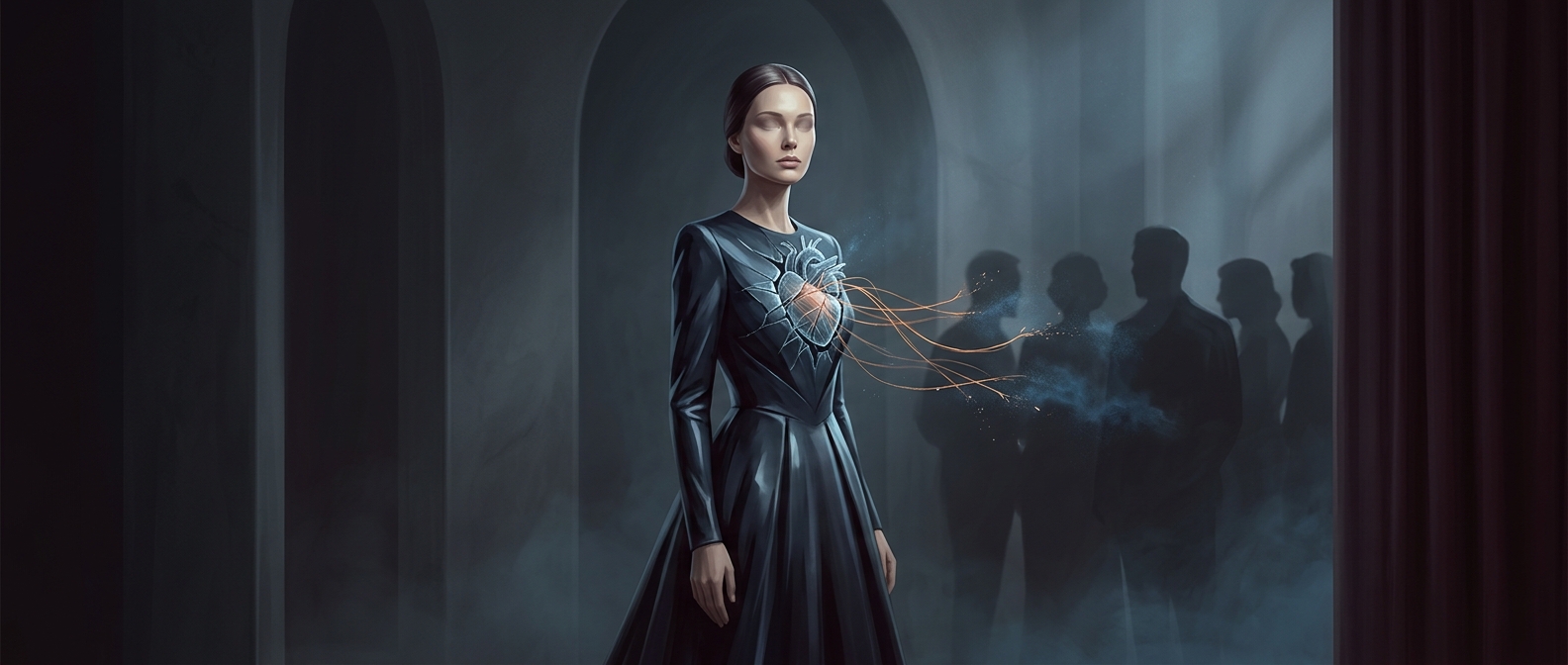
A tense scene gives viewers the same kind of cue at nearly the same moment: a sudden sound, a looming danger, or a pause before a reveal. The body responds through the autonomic nervous system, which adjusts functions such as heart rate without conscious effort. As attention and arousal shift, the heart’s pace can shift too.
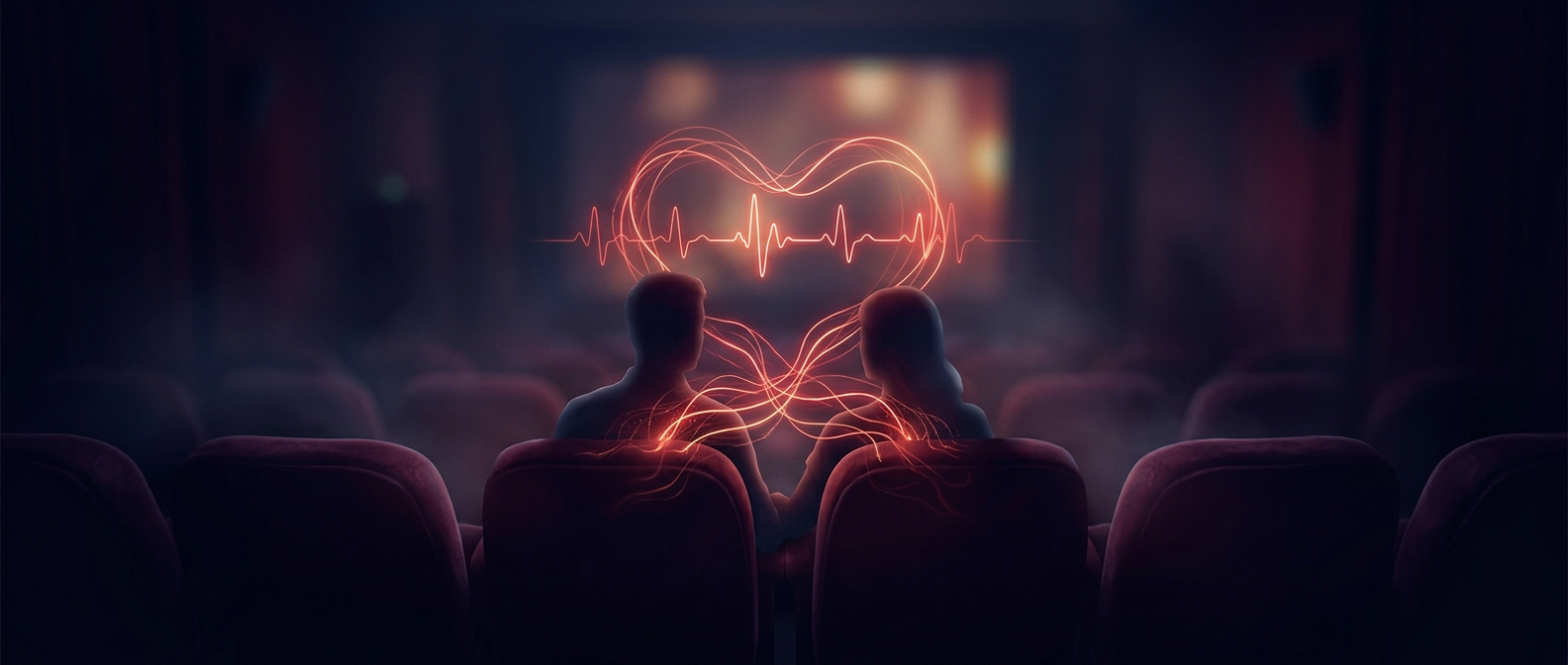
Because people in a theater are watching the same sequence, some of those changes may happen at similar times. A rising threat can quicken many viewers’ pulses; a release in tension can let them settle. The pattern is not a perfect beat-for-beat match, and people’s responses still differ.
Shared Timing, Not Shared Hearts
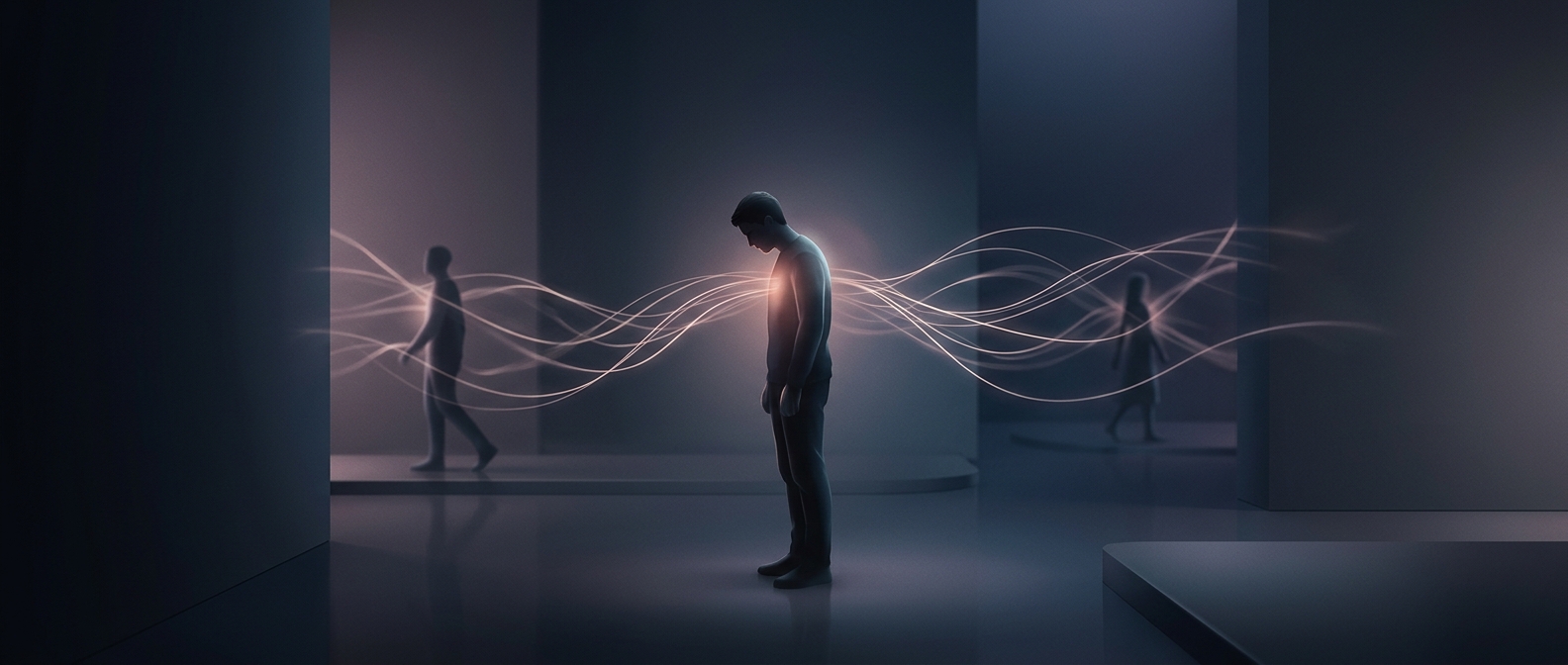
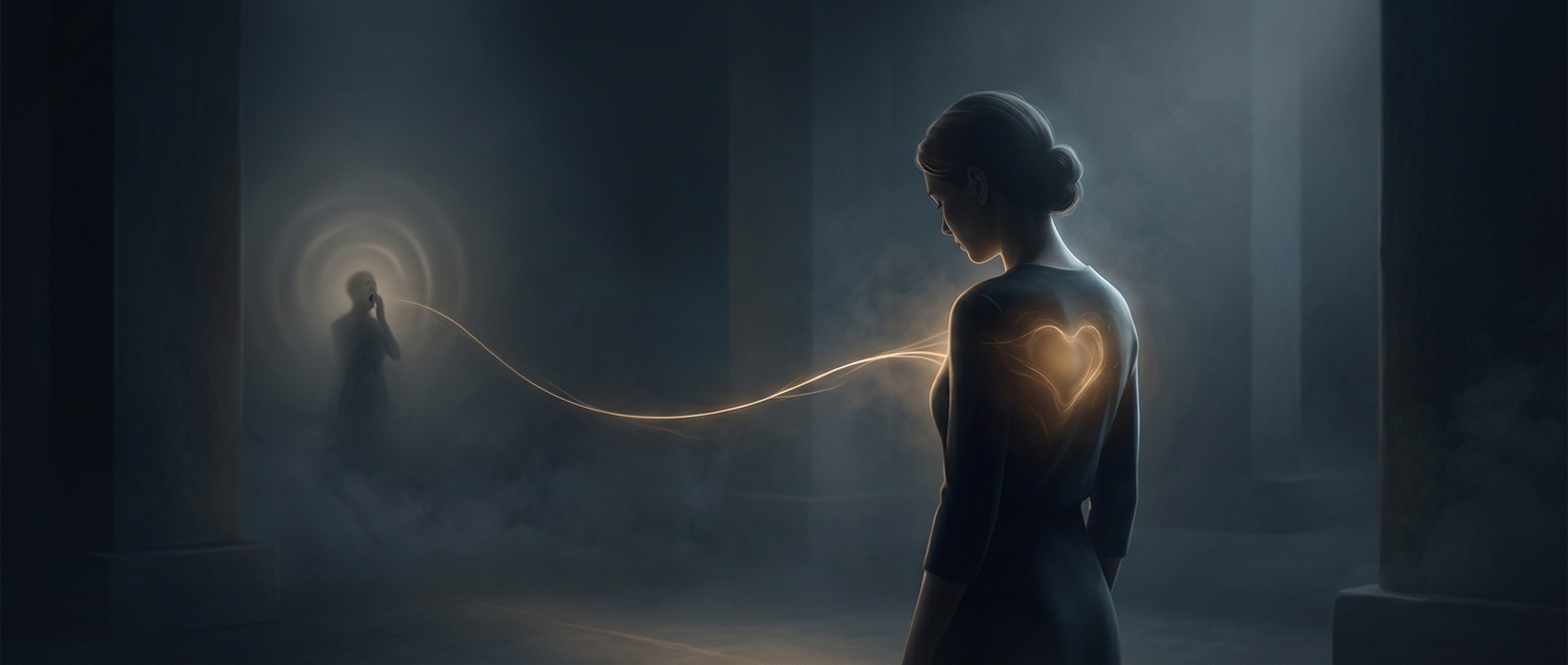
This kind of synchrony means that heart-rate measurements rise and fall in related patterns over time. It does not mean viewers’ hearts lock together like metronomes, or that one person’s heartbeat directly controls another’s. The common influence is the film: it supplies emotional cues in the same order and at the same pace.
Even quiet moments can matter. When a scene narrows attention, viewers may become more still and focused; when action or danger arrives, bodily arousal can increase. The movie’s editing, sound, and pauses shape when those moments occur, giving an audience a shared rhythm of anticipation and release.
A Room Becomes Part of the Experience
That shared response helps explain why suspense can feel larger in a cinema than in solitary viewing. The audience is not only following the same story; its members may also show overlapping physical reactions to the story’s timing. The film conducts through cues, while each viewer’s body supplies its own instrument.